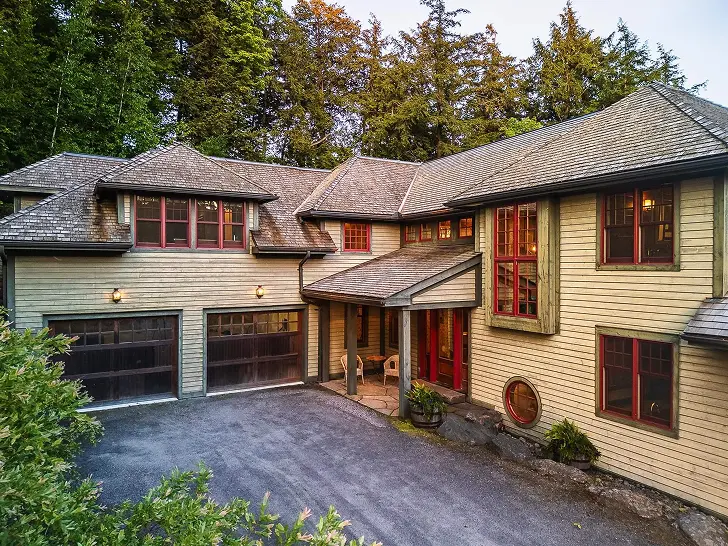
Buying a cottage and renting it out in Ontario is a legitimate and potentially rewarding investment strategy, but it requires careful planning around property selection, financing, regulatory compliance, and rental management. The investors who do it well start with the right data, the right advisors, and a clear understanding of what drives income in their target market.
The goal to buy cottage rent it out Ontario style is one of the most common motivations among buyers exploring recreational property for the first time. The appeal is genuine: a waterfront property that generates rental income while the owner retains personal use, appreciates over time, and builds equity in an asset class with deep demand and constrained supply. The reality is achievable. Getting there requires more than enthusiasm.
This guide walks through the complete process, from initial investment thesis through property selection, due diligence, financing, regulatory compliance, and rental activation. CV Real Estate is the only Ontario brokerage backed by Cottage Vacations, the province’s largest cottage rental platform. That connection informs every step of what follows. Reach out to our team when you are ready to move from research to action.
Step 1: Define Your Investment Goals Before You Search
The most common mistake buyers make when planning to buy a cottage and rent it out is starting with property searches before defining investment parameters. A clear investment thesis should answer several foundational questions: What is your acquisition budget, and what financing structure supports it? What level of net annual income would make the investment successful? How much personal use do you want to retain? What is your intended holding period?
Answering these questions before beginning a property search lets you evaluate opportunities against defined criteria rather than reacting to listing materials. CV Real Estate advisors run through this discovery process with every investor client before any search begins. Our market insights page provides current context on market conditions that should inform your initial assumptions.
Step 2: Choose the Right Market for Your Goals
Ontario cottage country spans several distinct investment markets, each with different price ranges, rental demand profiles, and regulatory environments. Muskoka produces the highest gross rental income but commands the highest acquisition prices. Haliburton offers strong yield relative to entry cost. Parry Sound and Georgian Bay provide competitive price points with growing seasonal demand. The Kawarthas offer accessible entry with reliable summer bookings.
The right market is the one that aligns with your budget, income targets, and lifestyle preferences. Investors focused on yield often favour Haliburton. Those prioritising appreciation and prestige gravitate toward Muskoka. Our listings across Muskoka, Haliburton, and Georgian Bay provide a current view of what is available in each region.
Step 3: Identify Properties With Strong Rental Potential
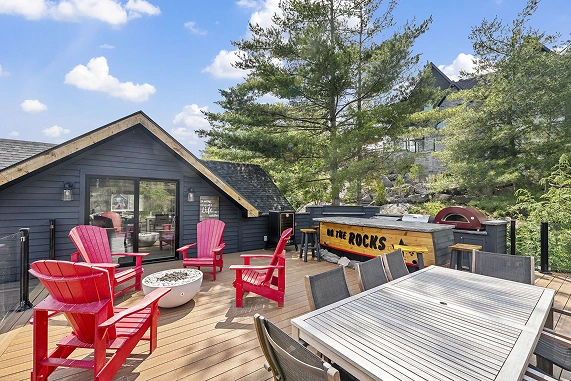
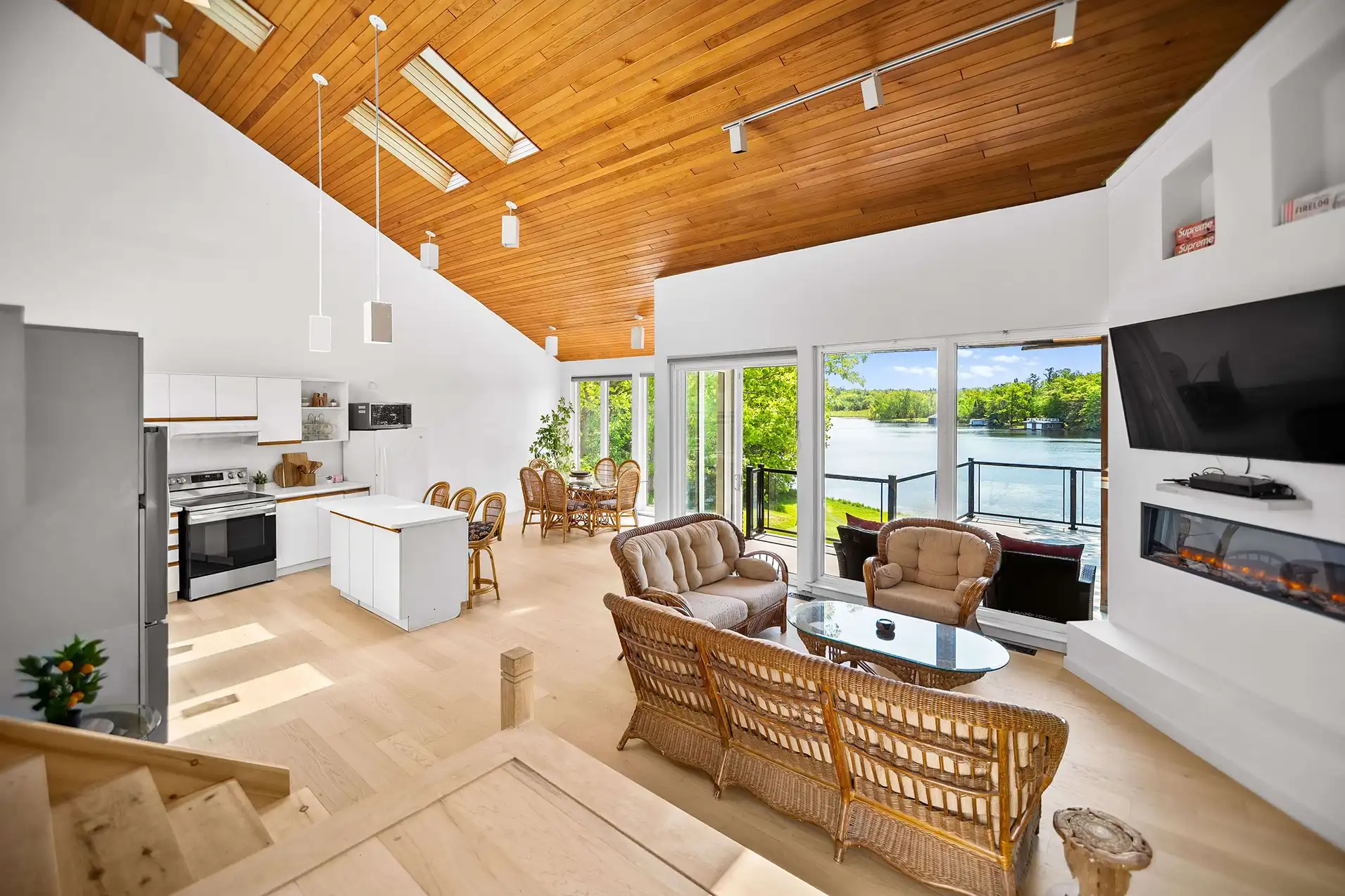
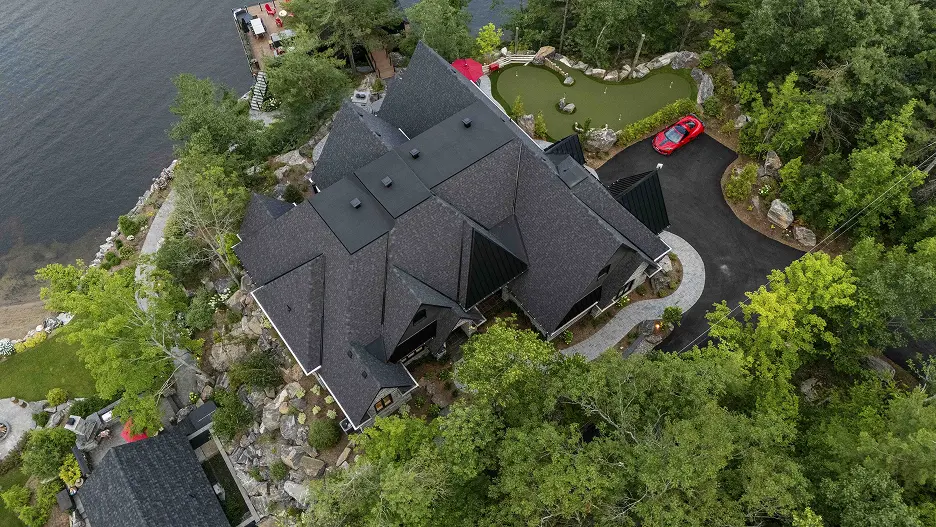
Not all cottages perform equally as rental properties. The features that drive booking volume and nightly rates in Ontario cottage country are well established: waterfront access with private dock, sleeping capacity above eight guests, amenity depth including hot tub and outdoor kitchen, open-concept layout suitable for large groups, and high-speed internet connectivity. Properties that check these boxes consistently outperform those that do not, regardless of the market they are in.
CV Real Estate advisors evaluate every property under consideration against these rental performance criteria. Where possible, we cross-reference actual booking histories and nightly rates from comparable properties in the Cottage Vacations network to build a realistic income projection before any offer is made. This is fundamentally different from relying on the seller’s stated rental income or platform calculator estimates. View available investment properties in Ontario for a sense of the current market.
Step 4: Verify Regulatory Compliance Before You Commit
This step stops many investors cold, and rightfully so. The ability to legally rent a cottage on a short-term basis in Ontario depends on the specific municipality in which the property is located, and the rules vary significantly across the province. Some townships require a short-term rental licence. Others restrict rentals on certain property types or limit the number of rental nights per year. Some have minimal restrictions in place.
Purchasing a property without verifying its rental legality is one of the most expensive mistakes a cottage investor can make. CV Real Estate verifies zoning, short-term rental bylaw status, and municipal licensing requirements for every property under investor consideration as a standard advisory step. The Ontario government’s land use planning resources outline the framework under which municipalities regulate rental activity.
Step 5: Arrange Recreational Property Financing
Financing a cottage you intend to rent is more complex than financing a primary residence. Lenders typically apply stricter qualification criteria to recreational properties, and mortgage insurance through CMHC is not available for non-primary residence purchases. Rental income is sometimes considered in lending assessments but often only partially.
Working with a mortgage broker who specialises in recreational property financing is strongly recommended before identifying specific properties. Understanding what you qualify for and on what terms shapes the search parameters and prevents late-stage financing surprises. The Financial Consumer Agency of Canada provides a useful primer on the differences between primary and recreational property financing.
Step 6: Run a Rigorous Pre-Purchase Due Diligence Process
A cottage purchased for rental use requires a more thorough due diligence process than a typical residential purchase. Beyond the standard home inspection, buyers should investigate septic system condition and capacity, well water quality and flow rate, dock permit status and shoreline allowance compliance, well and septic setback compliance, and any existing rental history or income documentation.
Properties with undisclosed septic issues, unpermitted docks, or non-compliant shoreline structures can generate significant costs after purchase that erode the investment thesis. CV Real Estate coordinates the due diligence process, including specialist inspections and regulatory verifications, for every investor client. Our first-time buyer guide covers the broader buying process for context.
Step 7: Set Up the Rental Operation Before You Close
The most successful cottage rental investors do not figure out management after closing. They have a clear operational plan in place before the transaction is finalised. This means selecting a management platform, confirming licensing and compliance, establishing pricing strategy, and scheduling professional photography and listing creation for the first season.
CV Real Estate clients have a direct pathway into Cottage Vacations’ rental management platform after purchase. This includes professional listing creation, dynamic pricing, guest communications, cleaning and linen coordination, and maintenance monitoring. Having this infrastructure ready from day one of ownership shortens the time to first booking and improves first-season performance materially. Our Try Before You Buy program also allows buyers to experience the rental product in their target area before committing.
Step 8: Manage the Asset Actively Through Ownership
Buying a cottage and renting it out is an active investment over its full holding period, not a passive one. Properties that maintain rental performance over time are those where owners stay engaged with maintenance, amenity investment, pricing strategy, and regulatory compliance. The rental market is competitive, and properties that fall behind on standards lose ground to better-managed alternatives.
Cottage Vacations provides ongoing performance reporting, booking trend analysis, and management support to CV Real Estate investor clients throughout the ownership period. When the time comes to sell, our brokerage services include access to an active investor buyer network that no other Ontario brokerage can match through the same rental platform relationship.
Frequently Asked Questions
1. How much does it cost to buy a cottage and rent it out in Ontario?
Acquisition costs range from under $500,000 for entry-level properties in the Kawarthas or Haliburton to $2 million or more for premium waterfront properties in Muskoka. Setup costs beyond acquisition include property improvements, furnishings, management platform onboarding, licensing fees, and initial operating reserves. CV Real Estate can walk through a full cost model for your target market and property type. Contact our team to get started.
2. Do I need to declare rental income from an Ontario cottage?
Yes. Rental income from a cottage in Ontario must be reported as income to the Canada Revenue Agency. Eligible deductions include management fees, mortgage interest on the rental portion, maintenance and repairs, insurance, and utilities. At sale, capital gains tax applies to any appreciation unless exemptions are available. The CRA rental income guide is the authoritative resource for understanding your obligations.
3. How do I know if a cottage I want to buy can legally be rented out?
The answer requires property-level verification with the specific municipality in which the property is located. There is no province-wide rule in Ontario; each township sets its own short-term rental policy. CV Real Estate verifies zoning and bylaw status for every property under investor consideration as a standard advisory step. Do not rely on seller representations or platform listings as confirmation of legal rental status.
4. How long before a newly purchased rental cottage generates income?
A well-prepared cottage with professional management in place can generate bookings within weeks of listing. Properties coming to market in spring, well before the peak summer season, typically achieve the strongest first-year performance. Investors who close in late summer or fall and use the off-season to prepare the property, complete any improvements, and activate a management platform are often in the best position for the following season.
5. What is the Try Before You Buy program and how does it help rental investors?
CV Real Estate’s Try Before You Buy program allows prospective buyers to rent a cottage through Cottage Vacations in their target area before committing to a purchase. If they purchase within two years, CV Real Estate reimburses up to 100% of their rental costs. For investors, this provides first-hand experience of the rental product, the management operation, and the guest experience in the specific market they are considering, turning a rental stay into meaningful investment due diligence.
Start Your Cottage Rental Investment Journey With the Right Team
Buying a cottage and renting it out in Ontario is a smart strategy for the right investor with the right preparation. CV Real Estate provides verified rental data, regulatory guidance, end-to-end transaction support, and a direct post-purchase pathway into Ontario’s largest cottage rental management platform. No other Ontario brokerage offers this combination. Call 705.706.9191 or book a discovery call to get started.
Key Takeaways
- Define your investment goals, target income, and financing parameters before beginning any property search.
- Choose your target market based on budget, income objectives, and lifestyle priorities; Muskoka, Haliburton, Parry Sound, and the Kawarthas all offer different risk-return profiles.
- Prioritise properties with waterfront access, high sleeping capacity, dock amenities, and strong Wi-Fi for the best rental performance.
- Verify short-term rental legality at the specific municipal level before committing to any purchase with rental intent.
- Recreational property financing is more complex than primary residence financing; engage a specialist mortgage broker early.
- Thorough pre-purchase due diligence, including septic, dock compliance, and zoning, is essential for rental cottage purchases.
- CV Real Estate provides verified rental income projections and a direct post-purchase pathway into Cottage Vacations management, making the path from purchase to first booking shorter and more reliable.
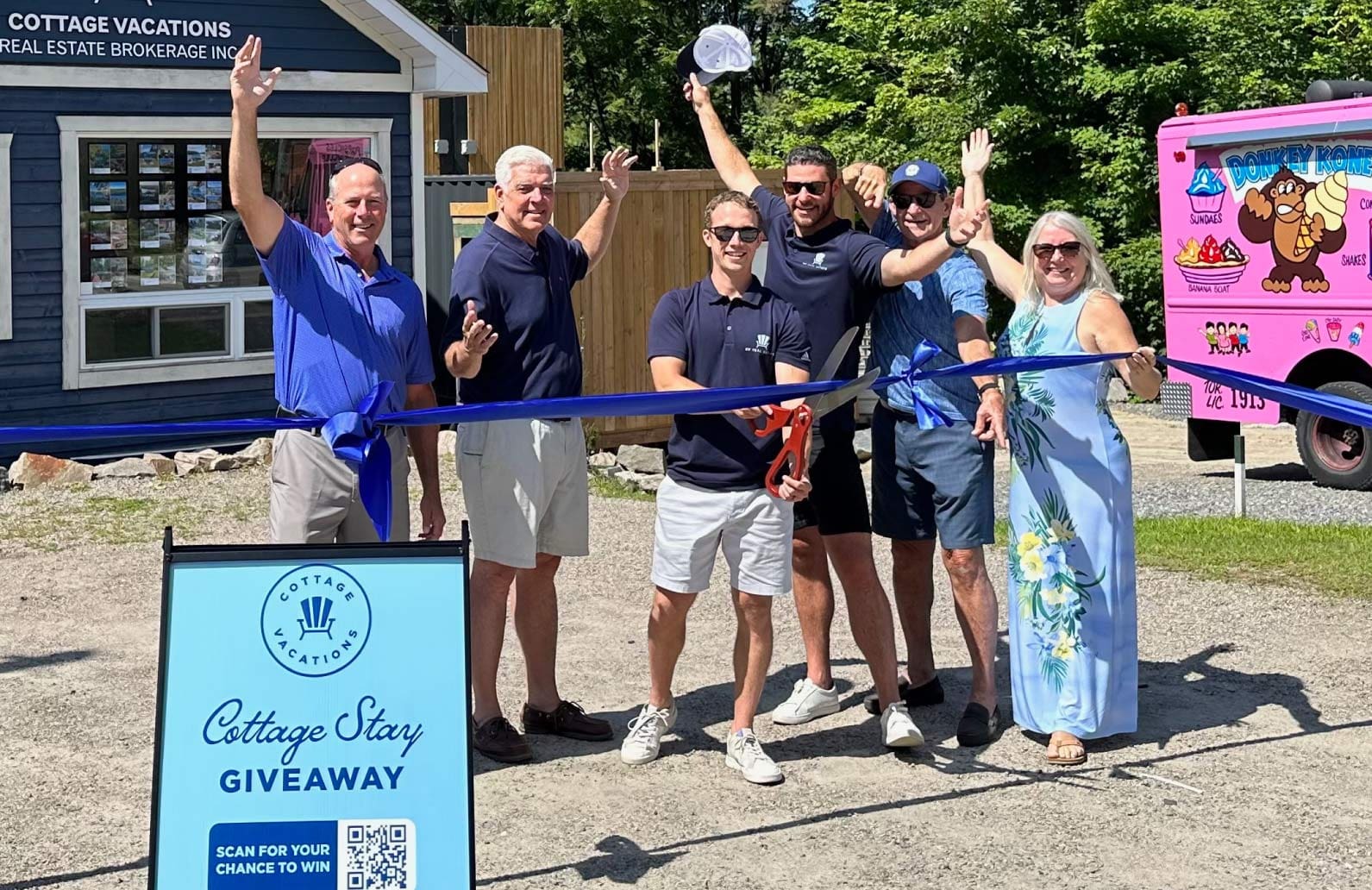
Meet The Team
We’re cottage country enthusiasts and vacation property experts, helping renters, buyers, and sellers reach their goals for more than 20 years.