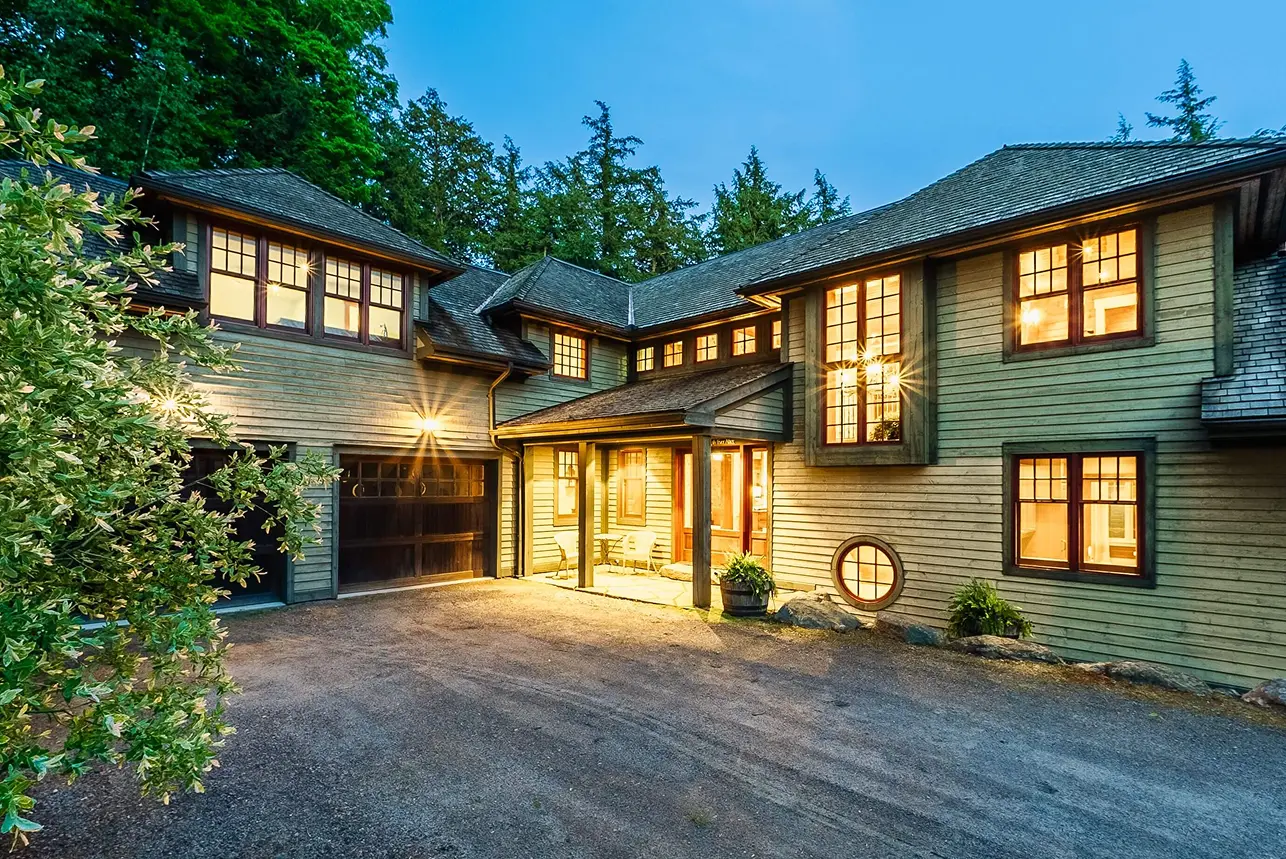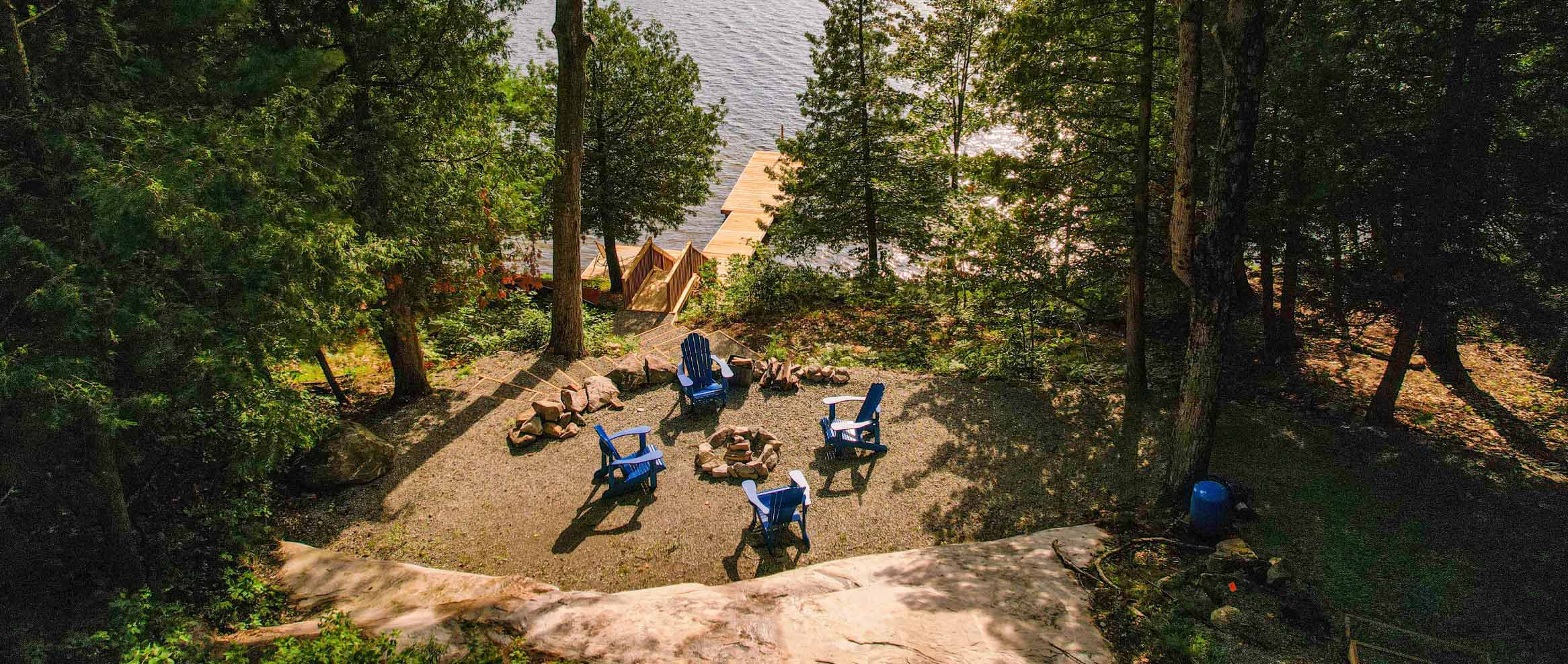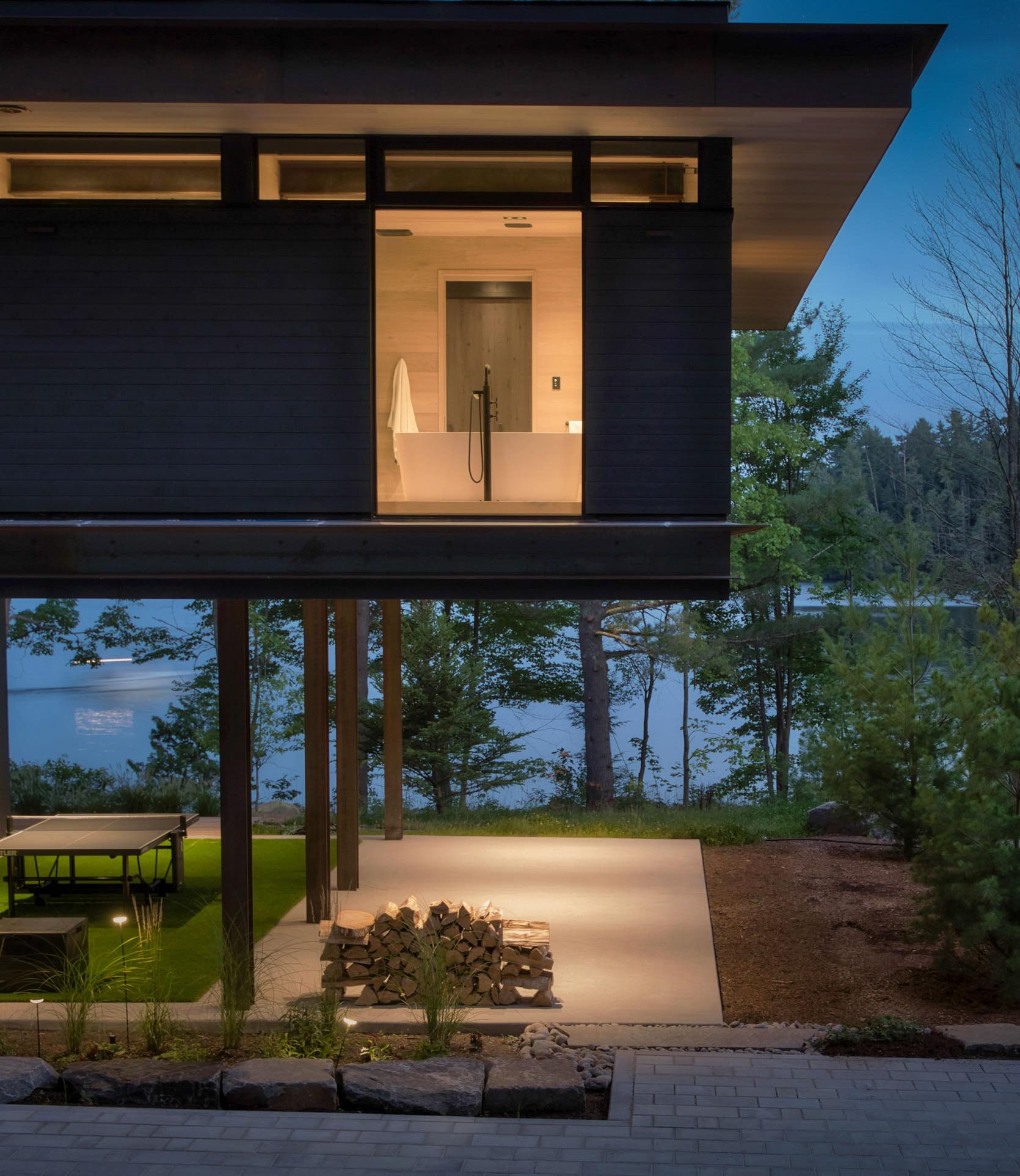
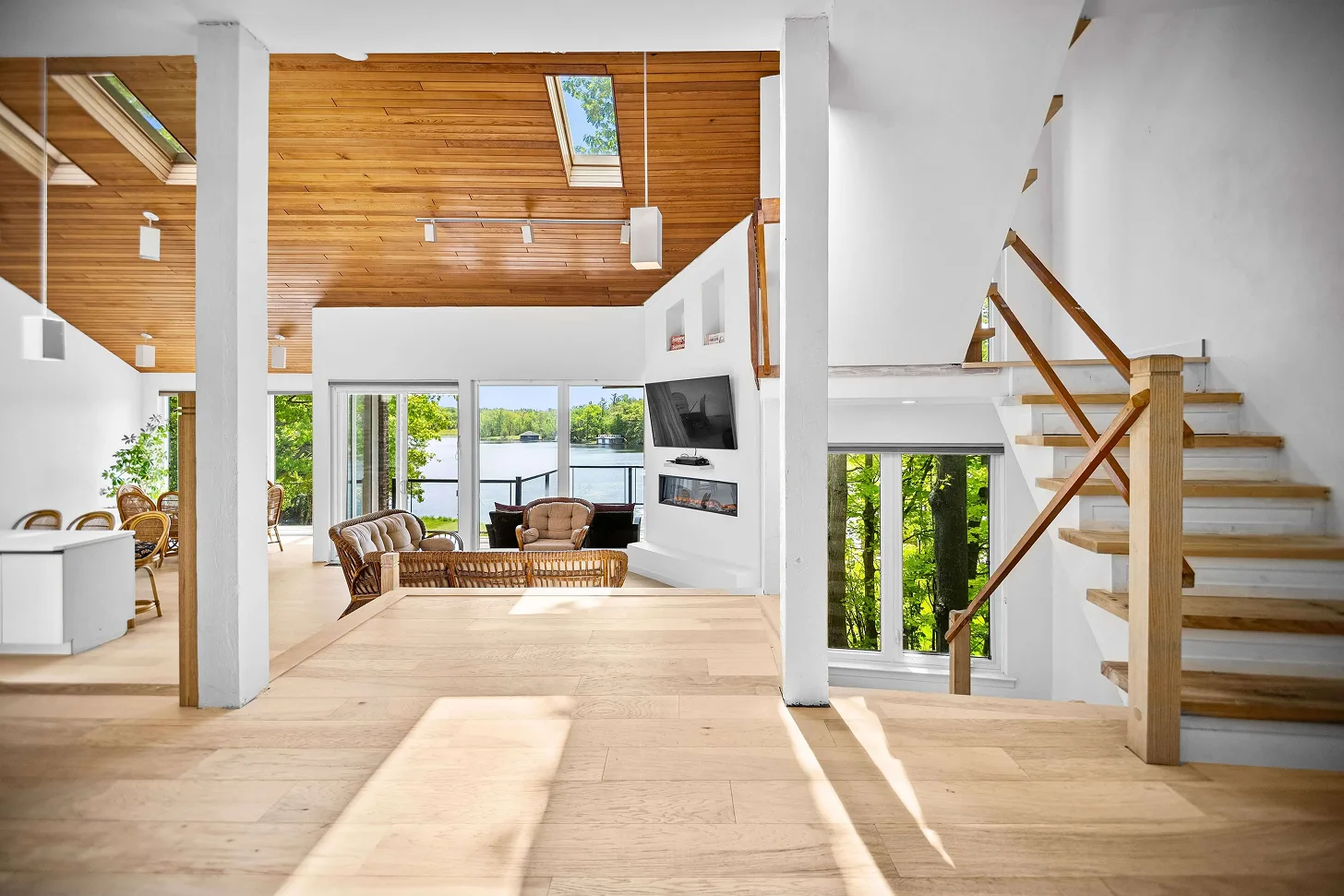
A cottage inspection in Ontario must go significantly further than a standard residential home inspection. Waterfront properties include systems, structures, and environmental conditions that require specialized knowledge to assess properly. Buyers who commission a comprehensive inspection covering the structure, septic system, water quality, dock and boathouse, and electrical and heating systems are the ones who close with confidence and without expensive surprises.
Why a Cottage Inspection in Ontario Is Different From a Home Inspection
Many buyers approaching their first Ontario cottage purchase assume that a standard home inspection will cover everything they need to know about the property. In practice, a residential home inspection and a thorough cottage inspection in Ontario are meaningfully different engagements.
A standard home inspection is designed around the systems and structures typical of an urban residential property connected to municipal water, sewer, and natural gas infrastructure. A cottage inspection in Ontario must address a fundamentally different set of conditions: private wells, on-site sewage systems, waterfront structures, seasonal drainage issues, post-and-beam or log construction, lake water intake systems, and the specific deterioration patterns associated with recreational properties exposed to extended periods of vacancy and weather.
The inspector you hire matters as much as the inspection itself. A qualified inspector with demonstrated recreational property experience will identify issues that a generalist inspector would miss or underweight.
CV Real Estate coordinates due diligence support for every buyer client we work with. Learn how we structure this on the CV Real Estate buyers page.
Building Structure and Envelope
The structural inspection of an Ontario cottage should cover all the components a residential inspection addresses, plus additional elements specific to recreational property construction.
Foundation and Substructure
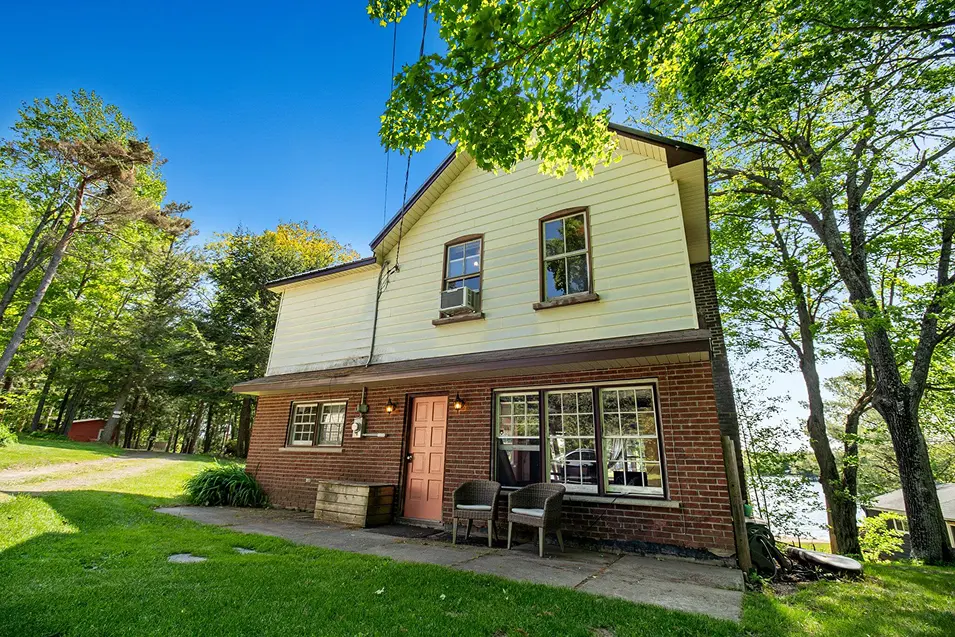
Cottage foundations vary considerably across the age range of Ontario’s recreational property stock. Older cottages may sit on dry-stacked stone piers, concrete block piers, or post-and-beam foundations that require specific inspection knowledge. The inspector should assess the stability of the foundation system, evidence of differential settlement, and the condition of posts and beams at grade where they are most vulnerable to rot and insect damage.
Roof and Exterior
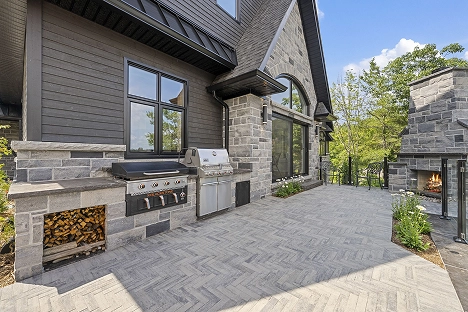
Muskoka and Ontario cottage country properties experience significant weather exposure, including heavy snow loads, ice damming, and extended UV exposure on sun-facing elevations. The roof should be inspected for shingle condition, flashing integrity at chimneys and valleys, ice dam vulnerability, and soffit and fascia condition. Exterior cladding, including wood siding, log walls, and stone veneer, should be assessed for moisture intrusion points.
Insulation and Thermal Performance
For buyers considering year-round use or purchasing a property marketed as year-round capable, the inspector should confirm that wall, floor, and ceiling insulation meets the standard required for comfortable winter occupancy. An infrared camera scan during a cold period is the most reliable way to identify thermal bridging and insulation gaps that are not visible through standard inspection methods.
Windows and Doors
Older cottage windows are frequently single-pane or early double-pane units with failed seals. The inspector should note the window types, their thermal performance, and any evidence of water infiltration around frames that indicates seal failure or inadequate flashing.
Mechanical Systems: Heating, Electrical, and Plumbing
Heating System
The heating system in an Ontario cottage is a critical safety and comfort system. The inspector should identify the fuel type, system age, distribution method, and current operational condition. A system that has not been serviced in several years, shows signs of corrosion, or is operating at or near end of life represents a capital cost that buyers should factor into their offer.
For propane systems, the inspector should confirm tank ownership or lease status, regulator condition, and line integrity. For wood-burning fireplaces or stoves, a WETT (Wood Energy Technology Transfer) inspection is advisable to assess chimney condition and compliance.
Electrical System
Older Ontario cottages frequently have electrical systems that do not meet current code requirements. The inspector should identify the service size, panel type, presence of aluminum wiring, and any visible code deficiencies. A 60-amp service with a fuse panel is common in properties built before the 1980s and is likely to require upgrading before a buyer’s insurer will provide coverage or a lender will fund the mortgage.
Plumbing
The inspector should assess all visible plumbing for material type, condition, and potential freeze vulnerability. Older galvanized steel pipe, lead solder joints on copper systems, and plastic supply lines without adequate heat protection in uninsulated spaces are all common findings in Ontario cottage inspections that require disclosure and often remediation.
The Ontario Association of Home Inspectors (OAHI) provides a directory of qualified inspectors and outlines professional standards for home and cottage inspections across Ontario.
The Septic System
As covered in detail in our guide to septic systems, the on-site sewage system deserves a dedicated inspection engagement separate from the general building inspection.
The septic inspection should include a tank pump-out and internal assessment, a distribution system review, a leaching bed evaluation, and a confirmation that the system is sized appropriately for the bedroom count of the structure. As-built drawings and the original septic permit should be requested from the seller.
The inspector should also confirm that the replacement bed area meets current setback requirements from the shoreline, which is a frequently overlooked but critically important item on any Ontario waterfront property.
For a complete guide to septic system considerations in Ontario cottage transactions, see our dedicated post on septic systems and Ontario cottages.
Water Supply Systems
Water supply in Ontario cottage properties takes several forms, each requiring specific inspection attention.
Drilled Wells
A drilled well is the most reliable private water source for an Ontario cottage. The inspector should confirm the well depth, approximate yield, pump age and condition, pressure tank condition, and the presence of a functioning water treatment system if indicated by prior water quality results.
Lake Water Intake Systems
Many older Ontario cottages rely on a lake water intake and filtration system rather than a drilled well. The inspector should assess the intake line for condition and depth, the filtration and UV treatment system for operational status, and the pressure system for function. Water quality testing is essential for any lake water intake system.
Water Quality Testing
Regardless of water source type, a current water quality test is a non-negotiable component of any Ontario cottage inspection. The test should be submitted to a licensed laboratory and should cover at minimum coliform bacteria, E. coli, and nitrates. Properties with older or shallow wells may warrant a broader panel covering hardness, iron, arsenic, and other parameters common in Ontario’s geology.
Dock, Boathouse, and Waterfront Structures
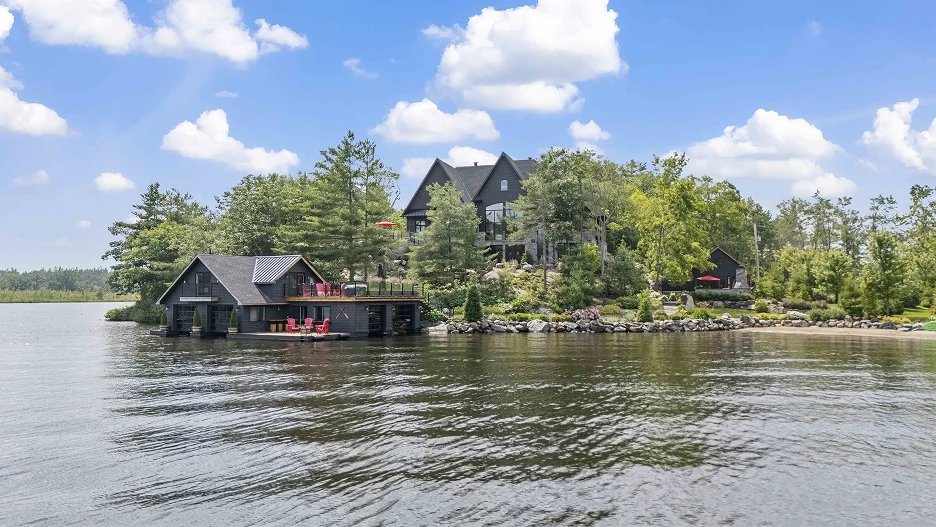
Water-adjacent structures on an Ontario cottage property require inspection by someone with specific knowledge of marine construction and shoreline conditions, not a standard home inspector alone.
A dock and boathouse assessment should cover:
- Structural integrity of the main dock frame, including crib condition for older timber crib docks, post and beam condition for fixed docks, and float and anchor condition for floating systems.
- Decking condition and safety, including the presence of trip hazards, fastener failure, and wood rot at water line contact points.
- Boathouse structural integrity including roof, walls, boat doors, and any upper-level space where it exists.
- Permit documentation for all structures, confirming they were built with appropriate municipal and federal approvals.
- Shore-side electrical connections to dock lighting, boat lifts, or marine outlets, which must meet CSA standards for wet location electrical use.
Environmental and Site Conditions
The broader site and environmental conditions of an Ontario cottage property should form part of any thorough inspection process.
- Drainage and grading: Poor drainage around the cottage foundation causes moisture intrusion, frost heaving, and accelerated foundation deterioration. The inspector should assess site grading and identify any persistent pooling areas.
- Shoreline erosion: The condition of the shoreline itself should be noted. Significant erosion at the water’s edge may indicate structural risk to waterfront structures or future regulatory involvement.
- Fuel storage: Older properties may have underground or above-ground oil or fuel storage tanks. These require specific disclosure and, if present, an environmental assessment to confirm there is no soil or groundwater contamination.
- Propane storage: Propane tanks should be clearly identified, and their placement should be confirmed to meet Ontario Technical Standards and Safety Authority (TSSA) requirements.
The Ontario Ministry of the Environment, Conservation and Parks provides guidance on environmental assessment requirements and soil contamination obligations relevant to Ontario property transactions.
How CV Real Estate Supports Buyers Through the Inspection Process
The inspection process on an Ontario cottage transaction involves more moving parts than most buyers anticipate. CV Real Estate helps buyers identify the right inspectors for each component, ensures the inspection timeline within the condition period is realistic, and supports buyers in interpreting findings and determining the appropriate response when issues are identified.
We stay engaged throughout due diligence, not just at offer and closing. That presence during the inspection phase is where our advisory value is most concretely felt.
A Thorough Inspection Is the Foundation of a Confident Purchase
No Ontario cottage purchase should close without a thorough, multi-component inspection process completed by qualified professionals. The cost of a comprehensive inspection is modest relative to the cost of discovering a failed septic system, unpermitted boathouse, or non-compliant water supply after closing day.
CV Real Estate treats inspection rigour as a professional responsibility, not an optional service. Contact our team through the CV Real Estate contact page to discuss your cottage purchase.
Frequently Asked Questions: Cottage Inspection Ontario
1. How much does a cottage inspection cost in Ontario?
A general building inspection for an Ontario cottage typically costs $500 to $900 depending on property size and complexity. A dedicated septic inspection adds $400 to $700. Water quality testing costs $150 to $400 depending on the test panel. A dock and boathouse assessment by a qualified marine contractor costs $300 to $600. Budget $1,500 to $3,000 or more for a complete multi-component inspection package.
2. Can my standard home inspector conduct all components of a cottage inspection?
Not reliably. Standard residential inspectors may not have the specific training to assess septic systems, dock structures, log or post-and-beam construction, lake water intake systems, or the specific deterioration patterns of recreational properties. Buyers should engage a general inspector with documented recreational property experience and supplement with specialist inspectors for septic and waterfront structures.
3. What is a WETT inspection, and do I need one for my cottage?
A WETT (Wood Energy Technology Transfer) inspection is a certified assessment of wood-burning appliances and their associated chimneys and venting systems. If the cottage has a wood-burning fireplace, insert, or stove, a WETT inspection is recommended and is often required by the insurer before coverage is bound. Budget $150 to $350 for a WETT inspection by a certified professional.
4. What happens if the inspection reveals significant deficiencies?
Material findings from the inspection give buyers the basis to renegotiate the purchase price, require the seller to remediate specific issues before closing, or in serious cases, withdraw from the transaction if the findings are not remediated satisfactorily. Your real estate advisor and lawyer will guide you through the most appropriate response based on the severity and nature of what is found.
5. Should I be present during the cottage inspection?
Yes. Walking through the property with the inspector is one of the most valuable ways to understand the condition of what you are purchasing. An inspector can explain findings in context during the walkthrough in ways that a written report alone cannot replicate. Buyers who attend the inspection consistently report feeling more informed and confident about their purchase decision than those who simply receive the report afterward.
6. How does CV Real Estate coordinate the inspection process for cottage buyers?
We help buyers identify qualified inspectors for each component of the due diligence process, structure the inspection schedule within the condition period timeline, and support buyers in reviewing findings and determining the appropriate response. We treat the inspection process as a central part of the advisory engagement, not a procedural step managed independently by the buyer.
Key Takeaways
- A cottage inspection in Ontario must go well beyond a standard residential inspection, covering the septic system, water supply, dock and boathouse structures, and site and environmental conditions in addition to the building envelope and mechanical systems.
- Choosing an inspector with specific recreational property experience is as important as the inspection itself. Generalist inspectors may lack the knowledge to identify deficiencies unique to waterfront properties.
- Budget $1,500 to $3,000 or more for a comprehensive multi-component inspection package covering all material systems on a typical Ontario cottage property.
- Being present during the inspection provides context and understanding that a written report alone cannot replicate.
- CV Real Estate supports buyers through every stage of the inspection process, from inspector identification through findings review and response strategy.
Meet The Team
We’re cottage country enthusiasts and vacation property experts, helping renters, buyers, and sellers reach their goals for more than 20 years.