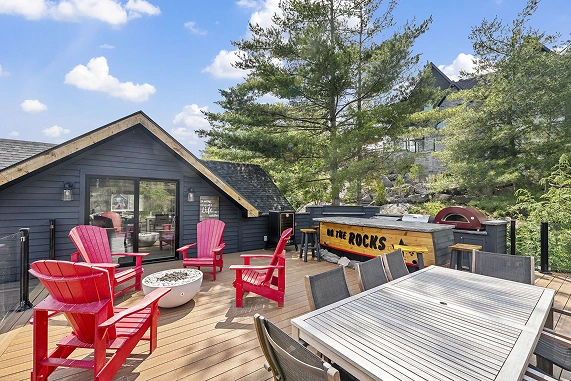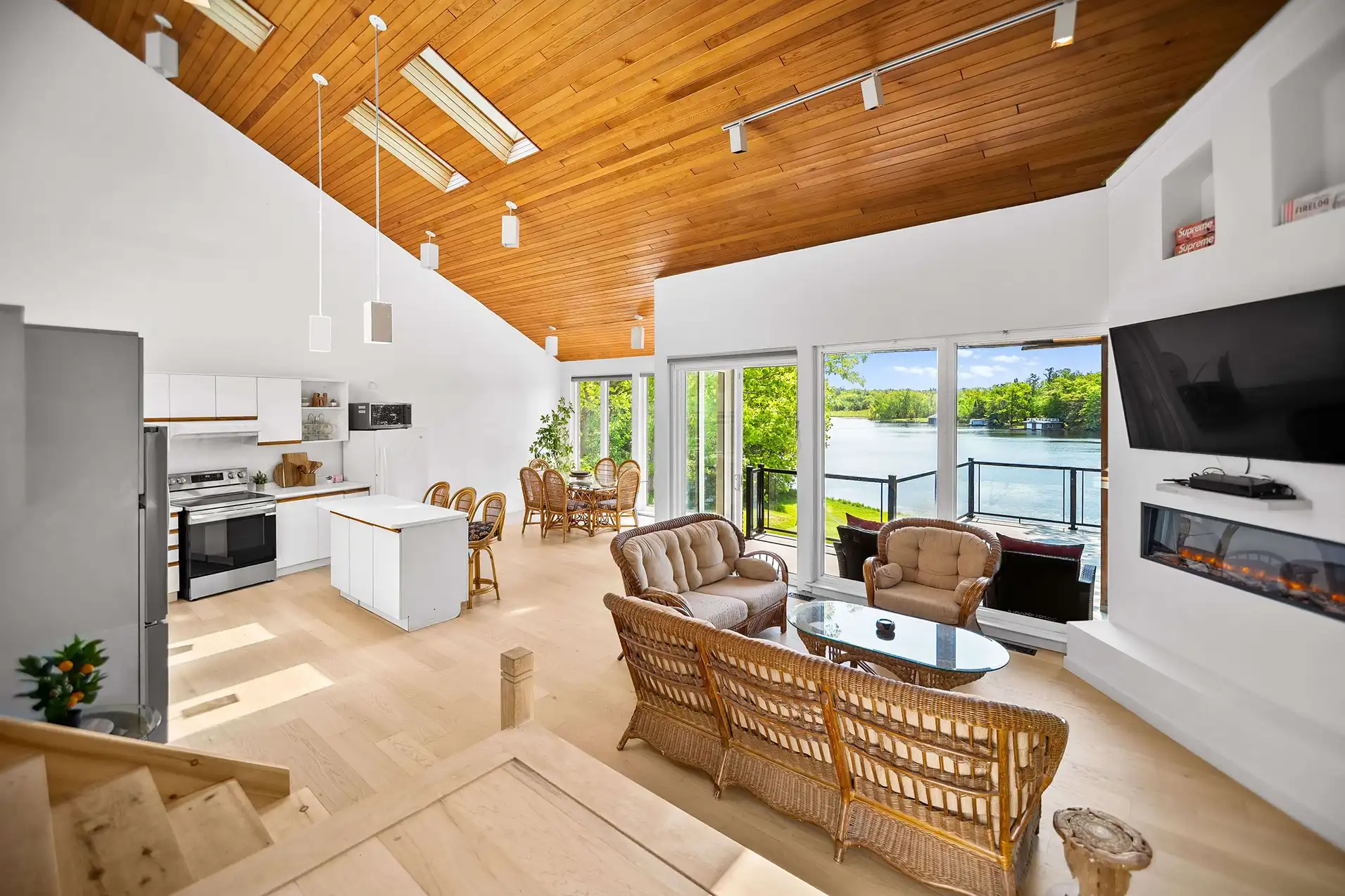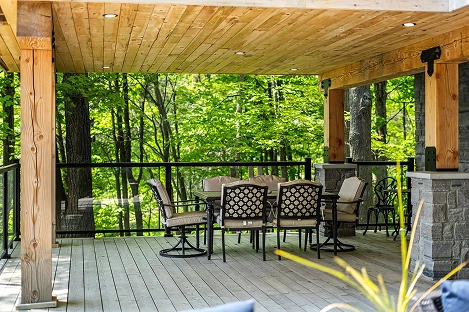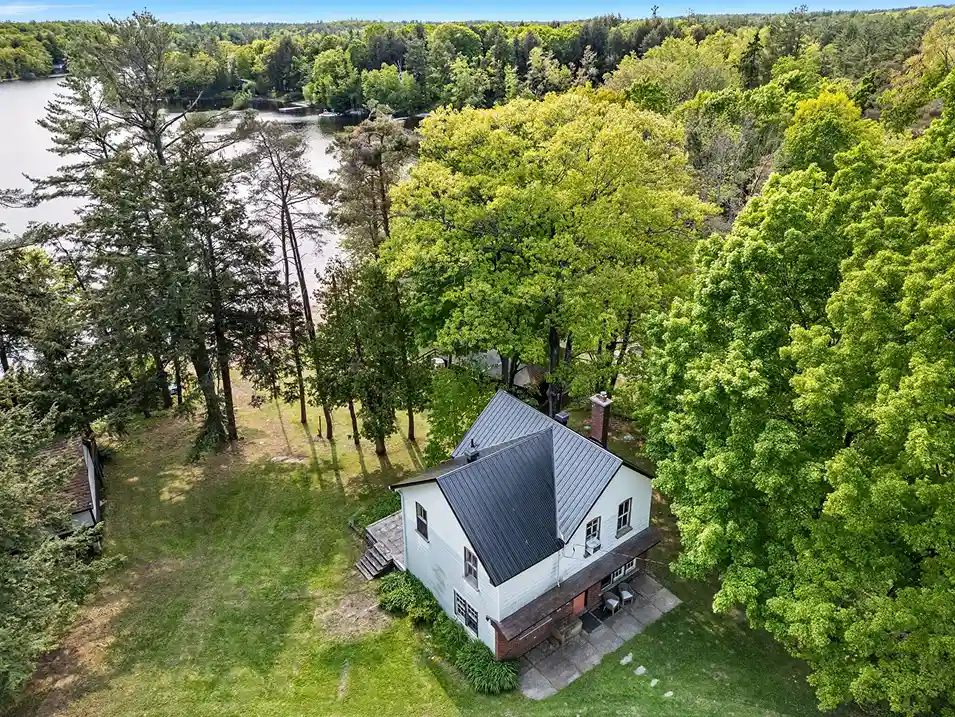
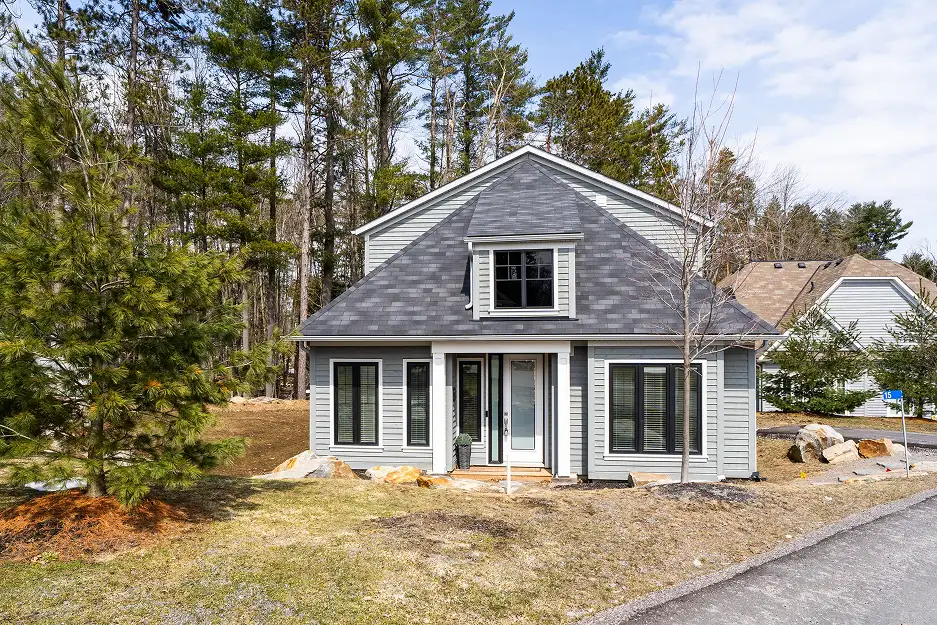
Cottage investment vs condo is not a straightforward comparison because the two asset classes appeal to different investor profiles and optimise for different outcomes. Condos offer lower management complexity and urban liquidity, while cottages offer higher seasonal income potential, personal use value, and strong appreciation in premium markets. The right choice depends on what you are actually trying to achieve.
Two Asset Classes, Two Different Investment Profiles
The cottage investment vs condo debate is one of the most common conversations among Ontario real estate investors expanding beyond a primary residence. Both asset classes can deliver income, both have appreciated meaningfully under the right conditions, and both carry ownership responsibilities. The comparison rarely yields a universal answer because each type of investment optimises for fundamentally different outcomes.
This guide examines both options through the lens of real return drivers, management realities, and lifestyle considerations. CV Real Estate specialises in waterfront and recreational property and brings data from Cottage Vacations, Ontario’s largest cottage rental platform, to every investor analysis.
Rental Income Potential: Cottage vs. Condo
Rental income is the most scrutinised comparison point, and the numbers favour cottages in peak periods and condos for year-round consistency. A well-positioned condo in a major Ontario city like Toronto generates predictable monthly income across all twelve months of the year. Annual gross rental income on a mid-range Toronto condo might range from $28,000 to $45,000 depending on unit size, building, and location.
A well-configured Muskoka cottage, by contrast, can generate $60,000 to $150,000 in gross income from a rental season running primarily May through October. The income is concentrated rather than spread evenly, but the peak earning potential per property is considerably higher. Our income property experts work with buyers at every stage of this analysis, from initial projections through to post-purchase rental management.
Appreciation: Which Asset Class Has Performed Better?
Both asset classes have delivered strong appreciation over the past fifteen years in Ontario, but the dynamics differ. Urban condos in the GTA and other major centres have appreciated strongly, driven by population growth, constrained supply, and consistently deep buyer demand. Muskoka waterfront properties have also appreciated meaningfully, with premium lake properties tracking well against urban residential real estate on a long-term basis.
The critical distinction is liquidity and buyer depth. A condo in Toronto draws a deep pool of buyers, which supports liquidity when you want to exit. Muskoka cottages appeal to a smaller but affluent and motivated buyer market. Our review of Ontario cottage real estate trends covers how buyer demand and pricing have shifted across key cottage country regions.
Management Complexity and Operating Costs
This is where the cottage investment vs condo comparison shifts most clearly in favour of condos for some investor profiles. A condo in a professionally managed building with a long-term tenant requires relatively minimal hands-on management. The tenant handles day-to-day property use, and a property manager handles communications and maintenance for a monthly fee.
Cottage rental management is more operationally demanding. Short-term turnover means frequent cleaning, linen changes, guest communications, and property inspections. Seasonal opening and closing, dock maintenance, septic servicing, and year-round property monitoring add to the operational picture. Professional cottage management platforms handle most of this on behalf of owners, but the cost structure is different from long-term residential management. Our detailed guide on turning your cottage profitable walks through each operational stage and what to budget for.
Financing Differences
Financing a condo investment is generally more straightforward than financing a cottage, particularly one that is seasonal, on a shared lake, or without year-round road access. Lenders apply different qualification criteria to recreational properties, and mortgage insurance through CMHC is not available for properties that do not qualify as primary residences. The Financial Consumer Agency of Canada provides useful guidance on the differences between residential and recreational property financing.
Investors purchasing Muskoka or Haliburton cottages with rental intent should work with a mortgage professional experienced in recreational property financing from the outset. CV Real Estate connects clients with the right specialists as part of the buying process. CV Real Estate outlines the full network of professionals we work with to support buyers throughout the transaction.
Personal Use Value
This is where cottages hold a clear advantage for many investors in the cottage investment vs condo conversation. A rental cottage in Muskoka is not only an income-generating asset. It is a property the owner can access personally throughout the year. Personal use dates can be blocked on the rental calendar in advance, allowing the owner to enjoy the property during preferred periods while still generating meaningful income from the remaining calendar.
Condo investment properties are typically occupied by tenants under long-term lease agreements, which means personal access is limited or unavailable during the tenancy. For investors who value lifestyle alongside returns, the cottage investment equation includes a personal use component that a condo simply cannot provide. Our Try Before You Buy program allows prospective cottage investors to experience this firsthand before committing to a purchase.
Tax Treatment: Key Differences
Both condos and cottages held as rental properties generate taxable rental income in Canada. Eligible deductions are broadly similar: mortgage interest on the rental portion, management fees, repairs and maintenance, insurance, and utilities. Capital gains tax applies at disposition for both property types unless specific exemptions apply.
The principal residence exemption is a meaningful distinction. A condo that has served as a primary residence at some point during ownership may qualify for partial or full exemption on capital gains. A cottage held primarily as a rental property generally does not.
Which Investment Is Right for You?
The cottage investment vs condo decision ultimately comes down to investor profile. If your priorities are year-round income consistency, lower management involvement, strong urban liquidity, and a simpler financing path, a condo investment has real advantages. If your priorities include higher seasonal income potential, personal use value, strong asset appreciation in a premium recreational market, and a differentiated investment experience, a cottage in Ontario cottage country is a compelling choice.
CV Real Estate helps buyers approach this decision with data rather than assumptions. Browse the featured listings on our site to understand what is currently available in Muskoka, Haliburton, and beyond, or read our guide on buying a cottage in Ontario for a step-by-step look at what the buying process involves.
According to the Canadian Real Estate Association, recreational property markets across Canada have continued to attract investment interest from buyers seeking both lifestyle value and long-term financial returns, a dynamic that positions well-located waterfront cottages as a compelling long-term asset class.
Making the Right Call on Cottage vs. Condo
The cottage investment vs condo comparison is worth making carefully, with real data on both sides. Cottages offer higher peak income and personal use value; condos offer consistency and simpler management. For investors who want both income and lifestyle, the cottage often wins when the numbers are run against verified rental data rather than estimates.
Frequently Asked Questions
1. Does a cottage or a condo generate more rental income in Ontario?
In peak periods, well-positioned cottages significantly outperform condos in gross rental income. A premium Muskoka cottage can earn $80,000 to $150,000 in a summer season. A comparable investment in a Toronto condo typically generates $30,000 to $45,000 annually across all twelve months. On a gross income basis during peak season, the cottage holds a clear advantage. Year-round income consistency favours the condo.
2. Is it harder to get financing for a cottage than a condo?
Generally, yes. Recreational properties, particularly seasonal cottages or those without year-round road access, face more conservative lending criteria than urban condos. Mortgage insurance through CMHC is typically not available for non-primary residences. Investors should engage a mortgage professional with recreational property experience early in the buying process to understand financing options before identifying specific properties.
3. Can I use a rental cottage personally without affecting its investment status?
Yes. Personal use and rental income are not mutually exclusive for cottage owners. Most investors block personal use dates at the beginning of each season and open the remaining calendar to bookings. The proportion of personal versus rental use affects which operating expenses are deductible, so the structure should be reviewed with a tax advisor before finalising the ownership approach.
4. Which asset class appreciates more over time, a cottage or a condo?
Both have appreciated meaningfully in Ontario over the past decade, and neither outcome is guaranteed going forward. Premium Muskoka waterfront properties have a strong track record of appreciation driven by constrained supply, deep demand, and a finite number of desirable lakefront lots. Urban condos in the GTA have also appreciated substantially but face different supply dynamics. Long-term appreciation projections should supplement income fundamentals, not replace them.
5. What are the biggest management differences between a rental cottage and a condo?
Cottage rental management involves higher turnover frequency, seasonal operating responsibilities, and a more complex property care structure than long-term residential rental. Short-term guests require more frequent cleaning, linen management, and maintenance monitoring. Professional cottage management platforms handle most of this operationally, but at a higher cost structure than standard residential property management. Investors should model both scenarios accurately before drawing a comparison.
6. How does the principal residence exemption differ for cottages versus condos?
A condo that has served as a primary residence at any point during ownership may qualify for partial or full capital gains exemption under the principal residence designation. A cottage held primarily as a rental property does not typically qualify for this exemption, meaning the full capital gain is subject to tax at disposition. This distinction can meaningfully affect after-tax returns over a long holding period and should be reviewed with a tax advisor before purchase.
Make an Informed Decision With the Right Advisory Team
Cottage investment vs condo is a comparison worth making carefully, with real data on both sides. CV Real Estate brings verified rental income data from Cottage Vacations to every investor conversation, giving clients a foundation that generic market overviews cannot match. Read what past clients say about working with our team. You can also book a selling call if you are considering your exit options as part of a broader investment review.
Key Takeaways
- Cottages offer higher peak seasonal income; condos offer year-round income consistency.
- Personal use value is a meaningful part of the cottage investment equation that a condo cannot provide.
- Cottage financing is more complex than condo financing; recreational property mortgage experience is important from the outset.
- Both asset classes have appreciated meaningfully in Ontario over the past decade; appreciation projections should supplement, not drive, investment decisions.
- Management complexity is higher for short-term cottage rentals; professional management platforms address this effectively.
- Capital gains tax applies at disposition for both rental cottages and condos; the principal residence exemption treats the two asset classes differently.
- CV Real Estate provides verified rental data comparisons to help investors make an informed cottage investment vs condo decision.

Meet The Team
We’re cottage country enthusiasts and vacation property experts, helping renters, buyers, and sellers reach their goals for more than 20 years.