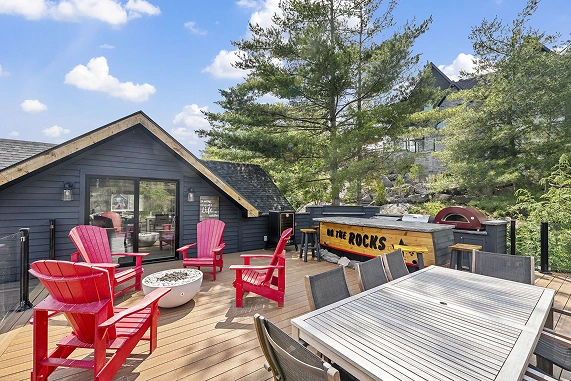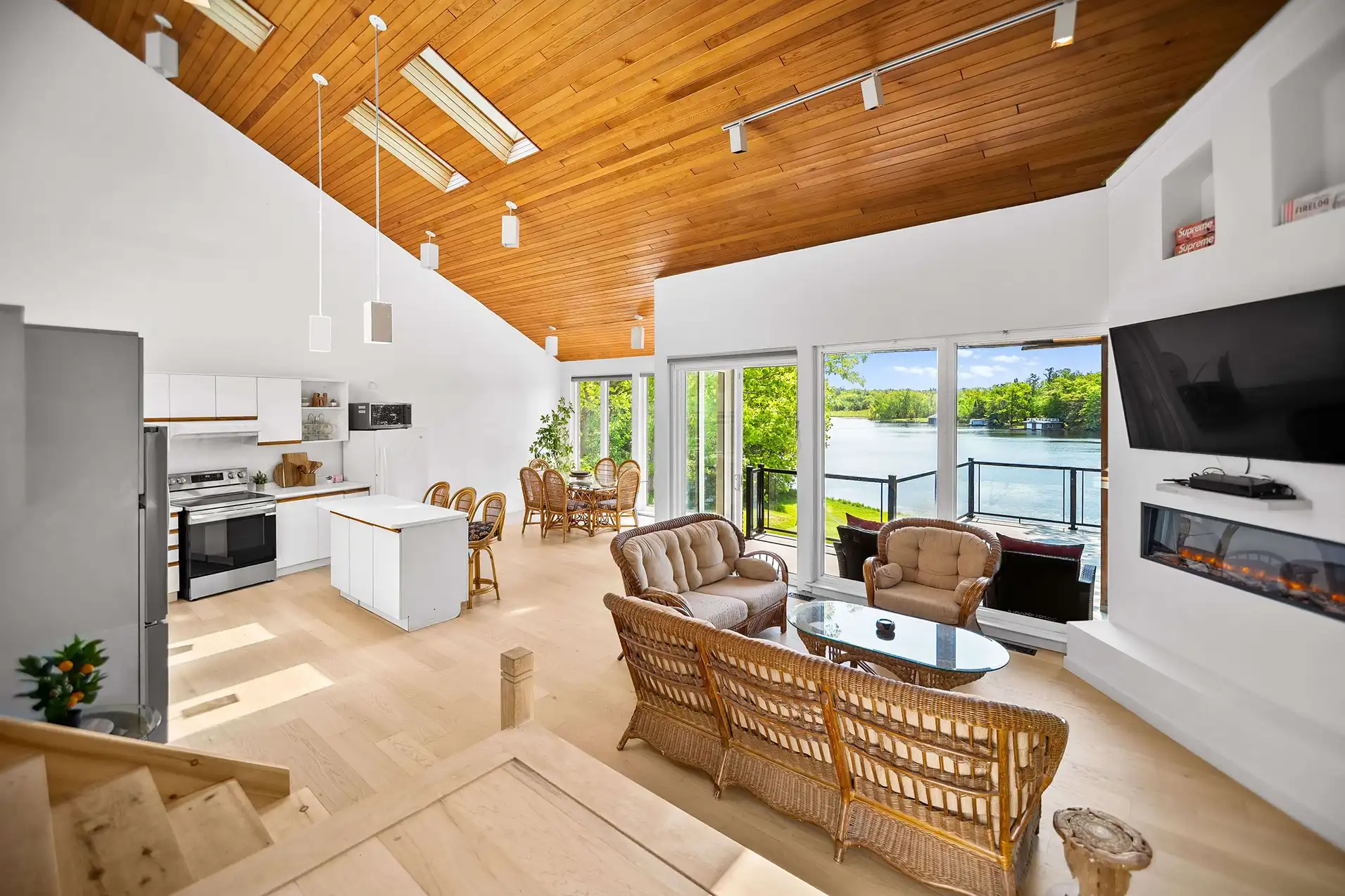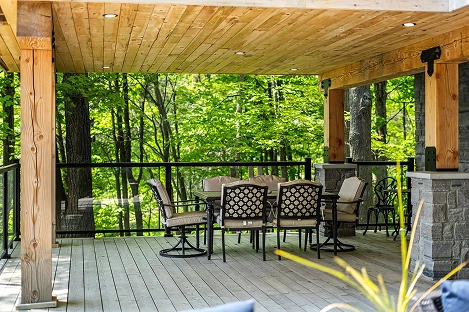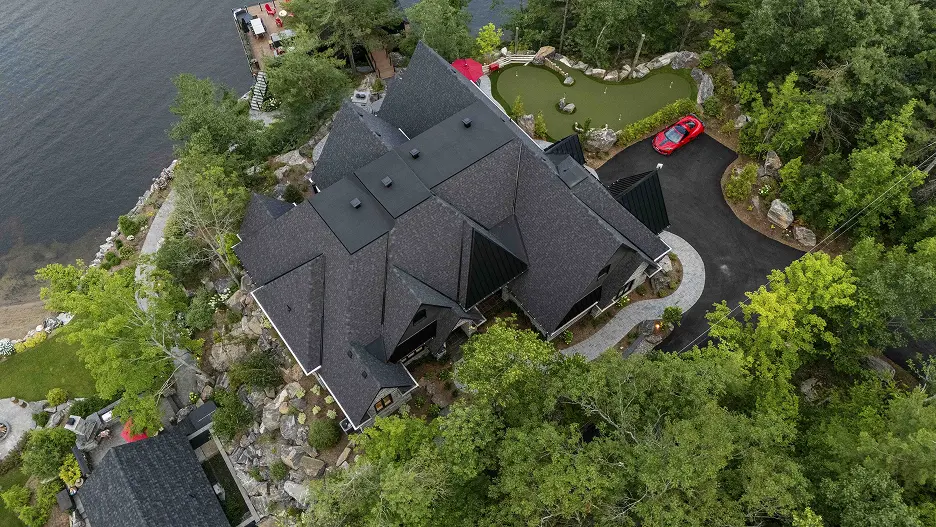
Short-term rental rules in Muskoka vary significantly by municipality, and the regulatory environment has been evolving rapidly. Some townships require licensing, impose occupancy limits, or restrict rental nights, while others have minimal rules in place. Getting clarity before you purchase is not optional if rental income is part of your investment thesis.
Why Short-Term Rental Regulations Have Changed
Ontario’s cottage country communities have experienced significant growth in short-term rental activity over the past decade, driven by platform expansion on Airbnb and VRBO alongside increasing demand from GTA-area visitors. That growth has generated both economic benefit and community tension in many municipalities, with concerns around neighbourhood character, property maintenance standards, parking, and noise driving regulatory responses.
Ontario’s provincial planning framework gives municipalities considerable authority to regulate short-term rentals through zoning bylaws and licensing systems. Several Muskoka-area townships have used this authority to introduce new rules in recent years, and others are actively reviewing their positions. The Ontario Ministry of Municipal Affairs and Housing provides context on the provincial planning authority that enables municipal-level short-term rental regulation.
Municipality-by-Municipality: What the Rules Look Like
Township of Muskoka Lakes
The Township of Muskoka Lakes, which encompasses Lake Muskoka, Lake Rosseau, and Lake Joseph, has implemented a short-term rental licensing regime that requires property owners to obtain a permit before renting their property to guests. The licensing system includes property standards, safety requirements, and contact information obligations. Rental activity without a licence is non-compliant and can result in fines.
Investors purchasing in this township should confirm current licensing requirements directly with the township before finalising a purchase. Our guide to cottage real estate trends includes current context on how regulatory changes are affecting buyer demand and investment value across Muskoka’s key lake markets.
Town of Huntsville
Huntsville has addressed short-term rentals through its zoning and licensing framework, with requirements for operators to register and meet property standards. Regulations cover areas including maximum occupancy, parking, noise, and garbage management. The town continues to review and update its short-term rental policies as the market evolves. Any property being purchased with rental intent in Huntsville should have its specific zoning classification verified before closing.
District of Muskoka Broader Context
The District Municipality of Muskoka provides a planning and services overlay across the region, but individual local area municipalities retain primary authority over land use and licensing for short-term rentals. This means regulatory requirements can differ significantly even between properties that appear geographically close to one another. Buyers should always verify at the specific municipal level, not the district level.
Haliburton and Parry Sound
Municipalities in Haliburton and Parry Sound have generally taken a less restrictive approach to short-term rentals than some Muskoka townships, though this is changing in several communities. Investors exploring these regions should still verify current rules with each township directly. Browse featured listings across these markets to understand current property availability and types, and speak with our advisory team about the specific regulatory environment for any property you are considering.
Key Compliance Areas for Muskoka Short-Term Rental Operators
Whether or not a specific municipality requires a licence, responsible cottage rental operators in Muskoka typically need to be aware of and compliant with several areas of regulation.
Licensing and Registration
Where required, a short-term rental licence must be obtained before any rental activity begins. Licensing typically involves a property inspection, submission of contact information for a local responsible person, and payment of a licensing fee. Operating without a valid licence in a township that requires one is a bylaw violation that can result in fines and orders to cease activity.
Maximum Occupancy
Many municipalities set maximum occupancy limits for short-term rentals, often tied to the number of parking spaces available or the size of the septic system rather than purely the number of bedrooms. Investors should factor permitted occupancy into rental income projections, as it directly affects the sleeping capacity and, therefore, the nightly rate a property can command.
Noise, Parking, and Property Standards
Quiet hours, outdoor amplified music restrictions, maximum number of vehicles on site, garbage management, and fire pit use are commonly regulated elements of short-term rental operation in Muskoka communities. Rental operators are responsible for communicating these rules to guests and for ensuring compliance during each stay. Platforms like Cottage Vacations build these standards into guest communication as a routine part of rental management.
Principal Residence Requirements
Some Ontario municipalities have introduced restrictions that limit short-term rental licensing to a property owner’s principal residence. If implemented in a Muskoka township, this type of restriction would significantly limit the investment utility of cottage properties purchased specifically for rental income. Investors should confirm whether any such restriction applies or is under active consideration in their target municipality before committing to a purchase.
How Regulatory Changes Affect Investment Value
Regulatory tightening can affect the income-generating capacity of a cottage property in ways that are not always visible at the point of purchase. A property purchased without a licence in a township that subsequently introduces mandatory licensing, or in a municipality that caps rental nights, may generate less income than originally projected.
Understanding current rules and the direction of regulatory change is part of sound investment due diligence. CV Real Estate incorporates regulatory research into every investor advisory process. Our income property experts maintain current awareness of pending bylaw changes across the Muskoka region through our operational relationship with Cottage Vacations. Before committing to any property as a rental investment, review the current Ontario cottage real estate trends and speak directly with our team for the most up-to-date information.
Provincial Short-Term Rental Rules and Ontario Context
Ontario has not implemented a province-wide short-term rental licensing framework equivalent to those in place in some other Canadian provinces. Regulation remains primarily a municipal responsibility. However, the provincial government has signalled ongoing interest in the short-term rental sector, and investors should monitor developments at both the provincial and municipal level. The Ontario Ministry of Municipal Affairs and Housing provides the formal planning context within which municipalities exercise this authority.
Investors purchasing cottage properties across multiple municipalities should be aware that their obligations differ in each jurisdiction. There is no single compliance standard that covers all of Ontario’s cottage country. Our guide on buying a cottage in Ontario addresses the broader due diligence considerations that sit alongside regulatory research in the investment buying process.
Understanding the tax treatment of rental income alongside licensing obligations is equally important.
Protect Your Investment With the Right Regulatory Due Diligence
Short-term rental rules in Muskoka are not a detail to investigate after purchase. They are a foundational part of the investment case for any cottage you intend to rent. CV Real Estate builds regulatory research into every investor advisory process, so clients understand exactly what they are acquiring before they commit.
Investors who want to experience a region before buying can also take advantage of our Try Before You Buy program, which lets you rent in your target market before committing to a property. Contact our team to discuss your investment plans.
Frequently Asked Questions
1. Do all Muskoka municipalities require a short-term rental licence?
No. Licensing requirements vary by municipality. The Township of Muskoka Lakes has implemented a licensing regime for short-term rentals. Other Muskoka townships have different requirements that must be verified individually. Requirements are also changing, and the only reliable way to know what applies to a specific property is to verify directly with the relevant municipal office before purchasing. CV Real Estate does this as a standard part of the advisory process.
2. Can short-term rental regulations affect the value of my cottage investment?
Yes, materially. Regulatory changes that cap rental nights, restrict licensing to principal residences, or impose significant compliance costs can reduce the income-generating capacity of a rental cottage and, by extension, its investment value. Investors should research not only current rules but the direction of regulatory change in their target municipality before committing to a purchase. Our team monitors this on behalf of investor clients as a standard part of the advisory process.
3. What happens if I rent my Muskoka cottage without a licence where one is required?
Operating a short-term rental without a required licence is a bylaw violation and can result in fines from the municipality. Some townships have implemented enforcement programs with inspectors responding to complaints. Repeated violations can result in escalating penalties and, in some cases, orders to cease rental activity entirely. Compliance from the outset protects both the income stream and the long-term value of the asset.
4. Are short-term rental rules the same for waterfront cottages and non-waterfront properties?
Not necessarily. Zoning classifications for waterfront properties can differ from those for non-waterfront recreational properties, and licensing rules sometimes apply differently based on property type or zone. Some municipalities apply additional riparian regulations that affect rental activity near the water. Property-level zoning confirmation is always required to understand the specific rules that apply.
5. How does CV Real Estate help investors navigate Muskoka short-term rental rules?
CV Real Estate incorporates zoning verification and bylaw research into every investor advisory engagement. Our connection to Cottage Vacations means we maintain current awareness of regulatory developments across the Muskoka, Haliburton, and Parry Sound markets. We connect investors with the right municipal contacts, legal professionals, and management resources to move from due diligence to a compliant, income-generating operation efficiently. Our income property experts page describes the full scope of that service.
6. What is the difference between a short-term rental licence and a zoning permit in Muskoka?
A zoning permit or zoning verification confirms that a specific land use, in this case operating a short-term rental, is permitted under the property’s current zoning classification. A short-term rental licence is a separate municipal approval that grants permission to operate under defined conditions including safety, occupancy, and property standards. Both must be in order for a compliant rental operation. Zoning is the foundation; licensing is the operational layer that sits on top of it. The Real Estate Council of Ontario provides additional context on buyer rights and due diligence obligations when purchasing a property with specific intended uses.
Key Takeaways
- Short-term rental rules in Muskoka vary by municipality; there is no single standard that applies across the region.
- The Township of Muskoka Lakes requires a short-term rental licence; other townships have different requirements that must be verified individually.
- Compliance areas include licensing, maximum occupancy, noise and parking standards, and in some cases principal residence restrictions.
- Regulatory changes can materially affect the income-generating capacity and investment value of a rental cottage.
- Verifying current rules and the direction of regulatory change is essential due diligence before any purchase with rental intent.
- CV Real Estate incorporates zoning and bylaw research into every investor advisory engagement as a standard step.
- Ontario regulation of short-term rentals remains primarily a municipal responsibility with no province-wide licensing framework in place.
Meet The Team
We’re cottage country enthusiasts and vacation property experts, helping renters, buyers, and sellers reach their goals for more than 20 years.