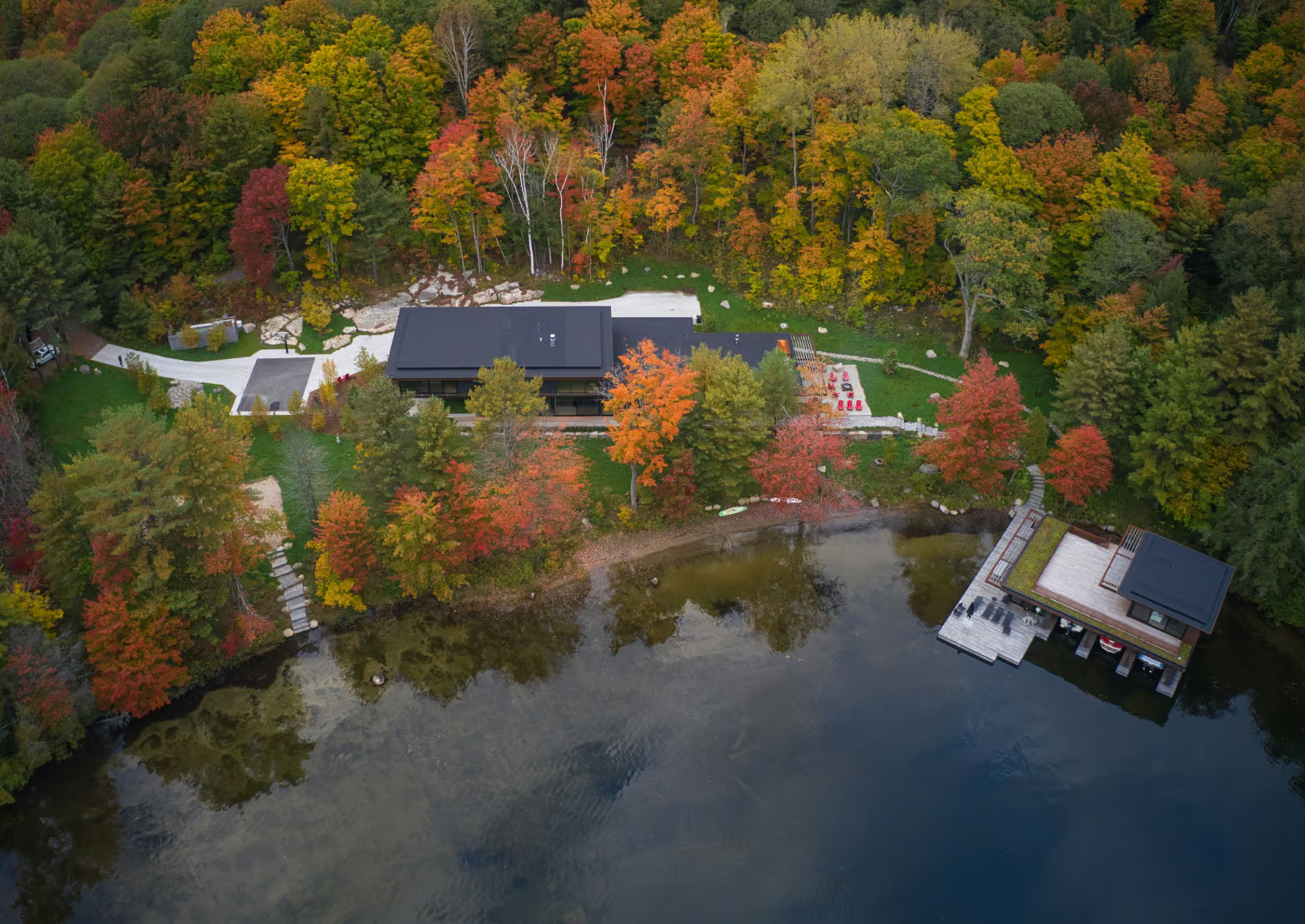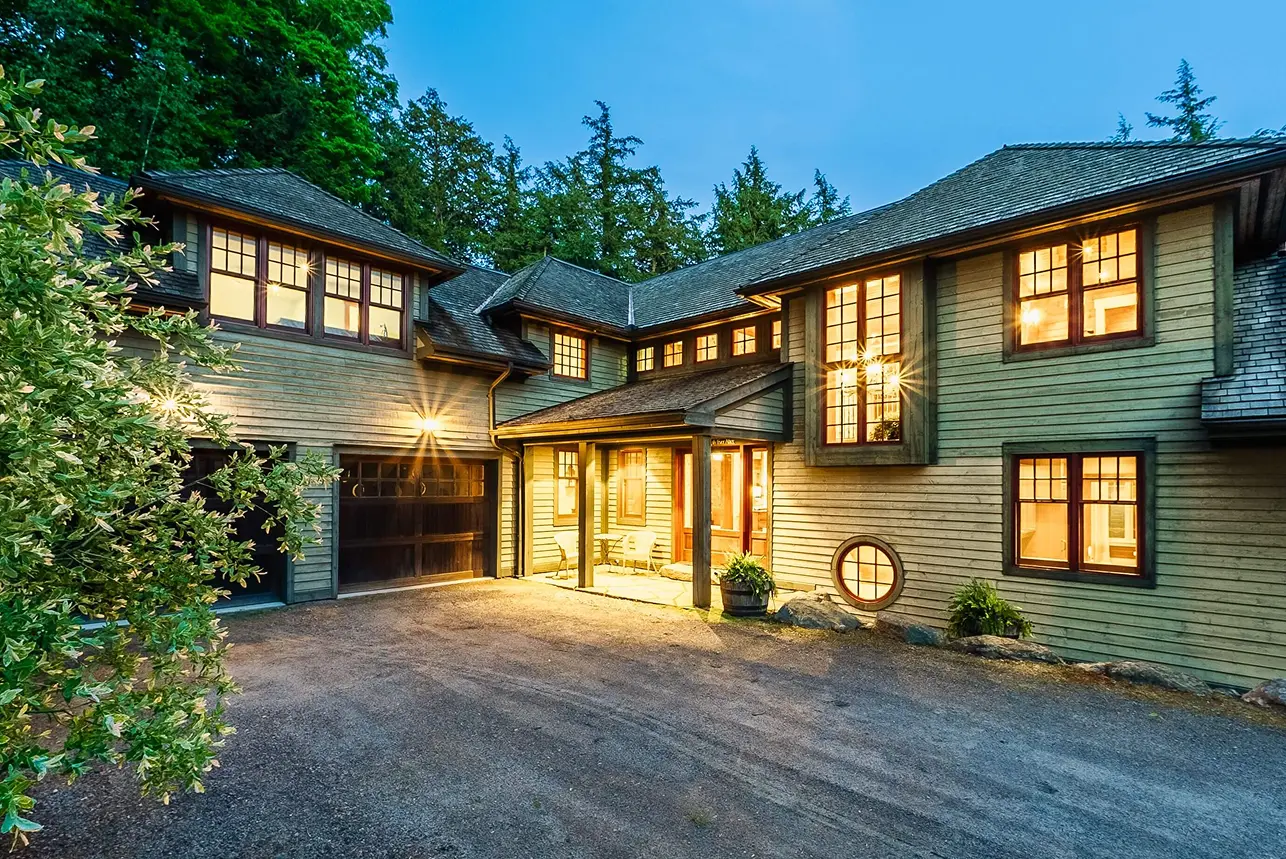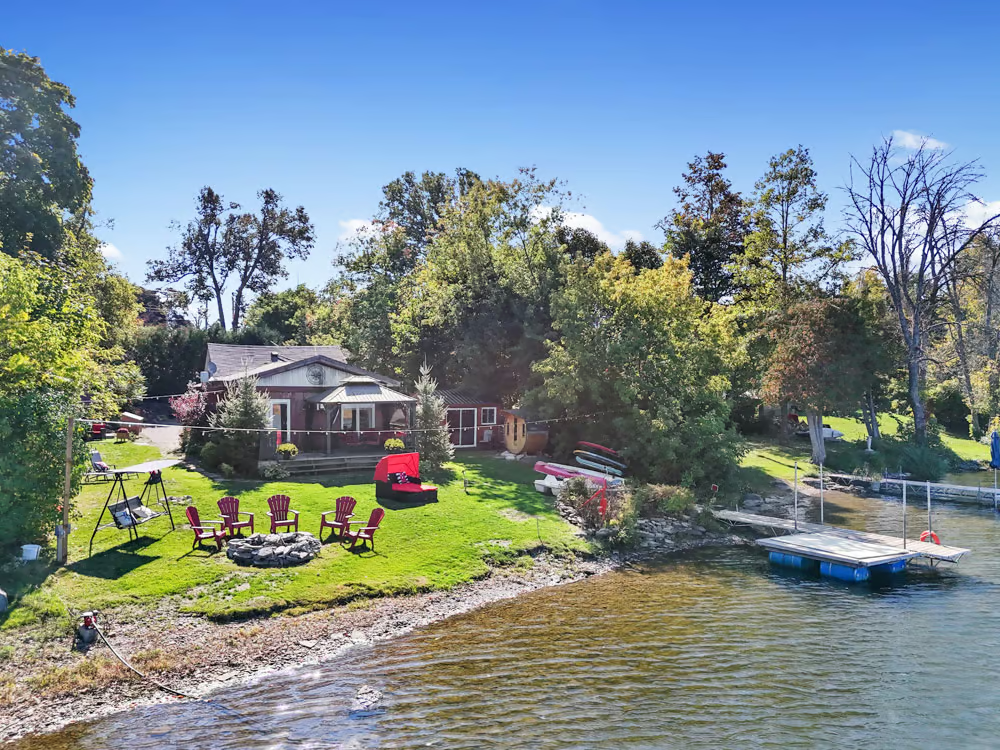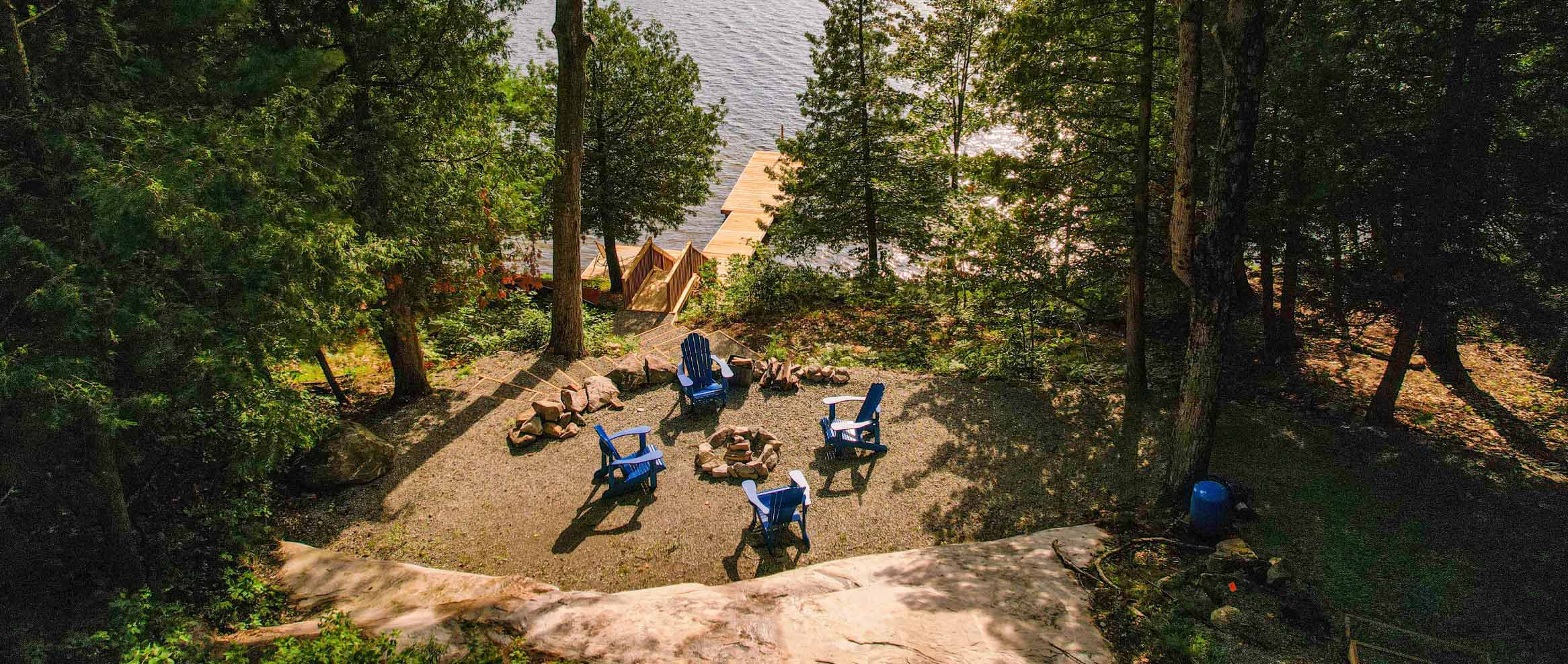
Americans buying a cottage in Ontario can do so legally and without the requirement to become Canadian residents. However, the transaction involves specific cross-border considerations including Canadian property ownership rules for non-residents, currency exchange, Canadian mortgage eligibility, tax obligations in both countries, and compliance with the Underused Housing Tax Act. Working with advisors and legal professionals experienced in cross-border transactions is not a preference. It is a requirement for a well-executed purchase.
Why American Buyers Are Drawn to Ontario Cottage Country
Muskoka and Ontario’s broader cottage country have long attracted American buyers, particularly those from the Great Lakes states and the northeastern United States who are within a day’s drive of the region. The combination of pristine freshwater lakes, established recreational communities, strong property rights, and the relative stability of Canadian real estate markets has made Ontario cottage country a compelling destination for American buyers seeking a cross-border second property.
The currency dynamic also plays a role for many American buyers. With the Canadian dollar typically trading below parity with the US dollar, the effective cost of a Canadian cottage purchase for an American buyer with USD assets is meaningfully lower than the CAD list price suggests. This currency advantage has historically drawn American buyers into the premium Muskoka market during periods of particularly favourable exchange rates.
That said, the transaction itself involves a set of rules and requirements that differ in important ways from a US domestic property purchase. American buyers who approach an Ontario cottage purchase without understanding these differences risk significant legal, tax, and financial complications after closing.
CV Real Estate has experience working with American and international buyers purchasing recreational property in Ontario.
Can Americans Buy Property in Ontario?
Yes. There is no Canadian legal restriction that prevents citizens of the United States or other countries from purchasing recreational property in Ontario. Non-residents of Canada may acquire recreational properties without restriction under current federal and provincial law.
It is important to note that Canada’s Prohibition on the Purchase of Residential Property by Non-Canadians Act, which came into force in January 2023 and was extended through 2027, applies to residential property in census metropolitan areas and census agglomerations. It was explicitly designed not to apply to recreational and vacation properties outside those designated urban areas. Muskoka and Ontario’s cottage regions generally fall outside the scope of this prohibition, but American buyers should confirm the status of their specific target property with a Canadian real estate lawyer at the outset of their search.
Financing a Canadian Cottage as an American Buyer
American buyers have two primary options for financing an Ontario cottage purchase: obtaining a Canadian mortgage or funding the purchase with USD assets without financing.
Canadian Mortgage Financing for Non-Residents
Some Canadian chartered banks offer mortgage products to non-resident foreign nationals for recreational property purchases. The terms are more restrictive than those available to Canadian residents.
- Down payment requirements for non-resident mortgages typically range from 35% to 50% of the purchase price.
- Income documentation requirements for US-based buyers include US tax returns, pay stubs or business financial statements, and in some cases additional verification from a US-based reference bank.
- Some lenders require that the mortgage be serviced through a Canadian bank account, which means opening a Canadian banking relationship as part of the purchase process.
- CMHC mortgage insurance is not available to non-residents or for recreational properties, so all financing is conventional regardless of the down payment amount.
Purchasing Without Canadian Financing
Many American buyers with sufficient USD assets choose to fund Ontario cottage purchases without a Canadian mortgage. This approach simplifies the transaction considerably but requires effective currency conversion. Working with a foreign exchange specialist rather than a retail bank for the USD-to-CAD conversion can recover a meaningful portion of the exchange cost on a transaction of this size.
Currency Exchange Considerations
The CAD-USD exchange rate creates both opportunity and complexity for American buyers purchasing in Ontario. When the Canadian dollar is trading at a discount to the US dollar, which has been the case for most of the past decade, a $1.5 million CAD purchase price translates to meaningfully less than $1.5 million USD at current exchange rates.
However, exchange rates are volatile and the timing of when USD funds are converted to CAD affects the actual cost of the transaction. American buyers should work with a foreign exchange specialist to understand their options, including forward contracts that can lock in a conversion rate for a future settlement date, reducing the exchange rate risk between offer acceptance and closing.
Tax Obligations for American Buyers of Ontario Cottages
The tax implications of an Ontario cottage purchase for American buyers span both Canadian and US tax law. This is one of the most complex dimensions of a cross-border cottage transaction and one that most clearly requires professional guidance from advisors experienced in cross-border taxation.
Canadian Property Taxes
American buyers of Ontario recreational properties pay Canadian property taxes on the same basis as Canadian residents. Annual property taxes are assessed by the Municipal Property Assessment Corporation (MPAC) based on the current market value of the property and are collected by the local municipality.
Canadian Non-Resident Withholding Tax on Rental Income
If an American buyer rents their Ontario cottage, the rental income is subject to Canadian non-resident withholding tax. Under the Canada-United States Tax Treaty, the standard withholding rate may be reduced for treaty-eligible US residents who file the appropriate forms with the Canada Revenue Agency. A Canadian accountant familiar with the treaty provisions should manage this obligation.
Underused Housing Tax
Canada’s Underused Housing Tax (UHT) Act imposes an annual 1% tax on the value of Canadian residential property owned by non-Canadian, non-permanent resident owners if the property is vacant or underused. American buyers of Ontario cottages should confirm with a Canadian tax advisor whether their property is subject to UHT filing and payment obligations, even if an exemption applies, as the filing requirement itself is distinct from the payment obligation.
Capital Gains on Future Sale
When an American buyer sells an Ontario cottage, the capital gain is subject to Canadian income tax as non-resident income. Additionally, under the US-Canada Tax Treaty, the gain may also be reportable on the buyer’s US federal return, though foreign tax credits generally prevent double taxation. The specific treatment depends on the holding period, the structure of ownership, and the treaty provisions applicable at the time of sale.
FIRPTA and Canadian Property
The US Foreign Investment in Real Property Tax Act (FIRPTA) governs the US tax treatment of gains on foreign real property held by US persons. US residents should confirm with a cross-border tax advisor how their Canadian cottage holding interacts with FIRPTA provisions on sale.
The Canada Revenue Agency’s guidance for non-resident property owners provides foundational information on Canadian tax obligations for foreign property owners.
Canadian Legal Requirements for American Buyers
American buyers purchasing an Ontario cottage require the services of a Canadian real estate lawyer who understands cross-border transactions. A US attorney, regardless of their expertise in US property law, cannot act in a Canadian property transaction.
The Canadian lawyer will conduct the title search, review all registered documents, advise on ownership structure options, manage the financial transaction at closing, and register the transfer. For non-resident buyers, additional steps including SIN or ITN applications for tax filing purposes and compliance with non-resident withholding requirements at closing may be required.
Ownership structure is a particularly important decision for American buyers. Holding the property in personal name, through a Canadian corporation, through a US entity, or through a trust each carries different tax, estate, and succession implications in both countries. These should be reviewed with both a Canadian and a US cross-border tax advisor before closing.
The Law Society of Ontario provides a directory of licensed Ontario lawyers for buyers who need to identify qualified legal representation.
Practical Considerations for Cross-Border Cottage Owners
- Travel documentation: American citizens entering Canada for property-related visits require a valid US passport. Canada’s electronic Travel Authorization (eTA) system may apply depending on the mode of travel.
- Border declarations: Personal property brought across the border for the cottage, including furniture, appliances, and recreational equipment, may be subject to Canadian customs declarations and in some cases duties.
- Healthcare access: American cottage owners should ensure they have comprehensive travel health insurance coverage for their time in Canada, as OHIP does not cover non-residents.
- Banking: Opening a Canadian bank account simplifies the management of property tax payments, utility bills, and any property management expenses associated with the cottage.
- Property management: American owners who are not in Ontario year-round should retain a Canadian property management service for seasonal opening and closing, emergency response, and ongoing maintenance coordination.
How CV Real Estate Supports American Buyers of Ontario Cottages
CV Real Estate has guided American and international buyers through Ontario cottage transactions and understands the specific requirements and concerns of cross-border purchasers. We help American clients find properties that fit their criteria and budget, coordinate with Canadian legal and tax professionals experienced in non-resident transactions, and provide the market knowledge and advisory depth to support confident remote or in-person purchasing.
We understand that for many American buyers, the Ontario cottage purchase is a significant commitment to a place and a way of life that extends well beyond a financial transaction. We treat that commitment with the care it deserves.
Reach out through the CV Real Estate contact page to begin a conversation about your Ontario cottage search.
Ontario Cottage Country Is Ready to Welcome American Buyers
The purchase of a Muskoka or Ontario recreational property by an American buyer is a well-established transaction with a clear legal and tax framework. The buyers who navigate it well are the ones who engage the right advisors in both countries before they close, not after.
CV Real Estate is ready to be your Ontario-based guide. Start the conversation on the CV Real Estate contact page.
Frequently Asked Questions: Americans Buying a Cottage in Ontario
1. Is there a ban on Americans buying property in Ontario?
No. The Canadian Prohibition on the Purchase of Residential Property by Non-Canadians Act applies to residential properties in designated census metropolitan areas and does not generally apply to recreational and vacation properties in Ontario’s cottage regions including Muskoka. American buyers should confirm the specific status of their target property with a Canadian real estate lawyer.
2. What is the minimum down payment for an American buying an Ontario cottage with a Canadian mortgage?
Most Canadian banks that offer non-resident mortgage products require a minimum of 35% to 50% down payment from foreign national borrowers. Many American buyers with sufficient liquid assets choose to purchase without Canadian financing to avoid these restrictions.
3. Do Americans pay more tax when buying an Ontario cottage than Canadian citizens?
The Land Transfer Tax and property taxes are the same for all buyers regardless of citizenship. However, non-resident buyers may be subject to additional obligations including the Underused Housing Tax, non-resident withholding on rental income, and non-resident capital gains withholding on the eventual sale. Cross-border tax advice is essential for any American buyer.
4. Can an American sell an Ontario cottage easily in the future?
Yes, but the sale involves Canadian non-resident capital gains withholding, which means the buyer of the property is required to withhold a portion of the purchase price for remittance to the CRA unless a clearance certificate has been obtained by the seller in advance of closing. American sellers should engage both a Canadian and a US tax advisor well in advance of any planned sale.
5. Does an American buyer need a Canadian Social Insurance Number to purchase property?
No, but a Canadian Individual Tax Number (ITN) is required for non-residents who have Canadian tax filing obligations, including those who earn rental income or sell a Canadian property. Your Canadian lawyer and tax advisor will guide you through the ITN application process as part of the purchase preparation.
6. How does CV Real Estate assist American buyers specifically?
We provide American buyers with full advisory representation in the Ontario cottage market, coordinate referrals to Canadian real estate lawyers and tax advisors experienced in cross-border transactions, support remote and sight-unseen purchasing processes, and provide the regional market knowledge that allows American clients to search and act with the same confidence as locally based buyers.
Key Takeaways
- Americans can legally purchase recreational property in Ontario without restriction. The Prohibition on the Purchase of Residential Property by Non-Canadians does not generally apply to cottage country properties.
- Non-resident mortgage financing is available but requires 35% to 50% down and involves additional documentation requirements. Many American buyers purchase without Canadian financing.
- Tax obligations for American cottage owners in Ontario include Canadian property taxes, potential Underused Housing Tax filing, non-resident withholding on rental income, and capital gains obligations in both Canada and the US on future sale.
- A Canadian real estate lawyer and a cross-border tax advisor are both required for a properly structured American purchase of an Ontario cottage.
- CV Real Estate provides experienced advisory support for American and international buyers navigating the Ontario cottage market.
Meet The Team
We’re cottage country enthusiasts and vacation property experts, helping renters, buyers, and sellers reach their goals for more than 20 years.