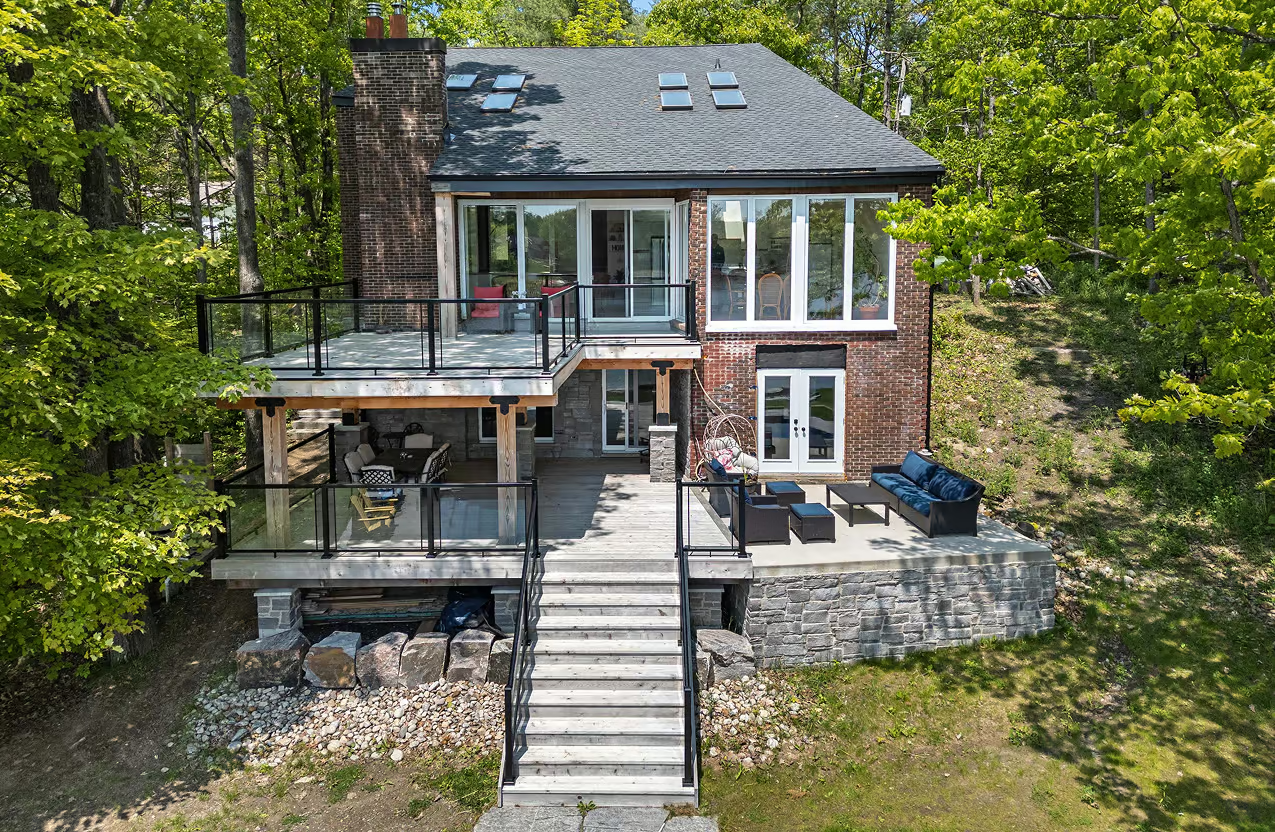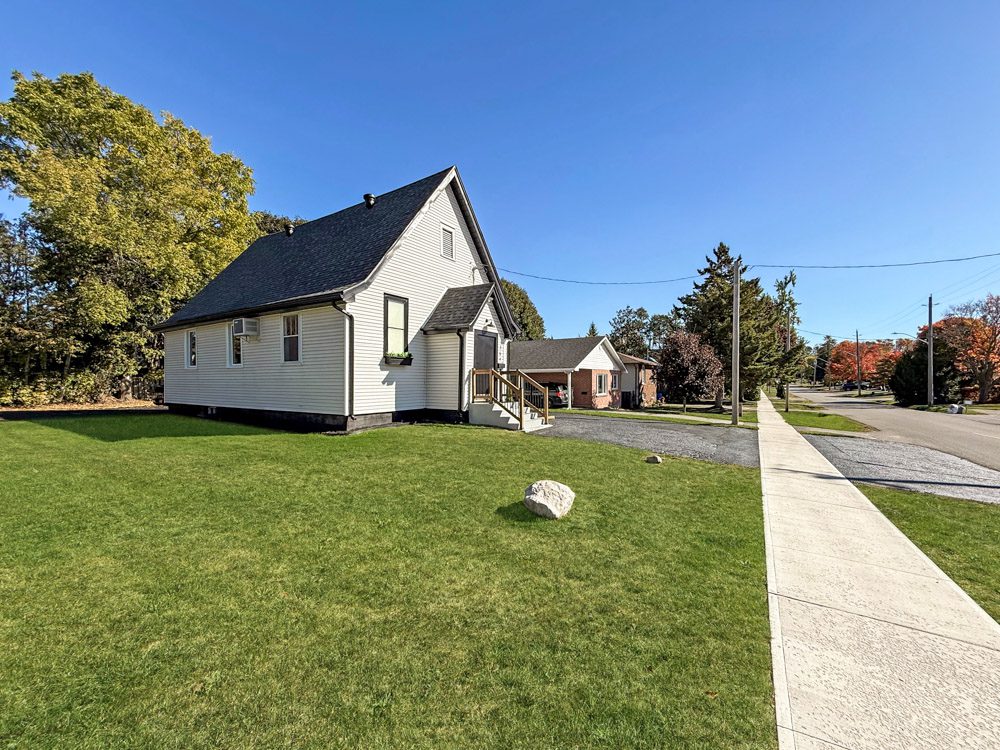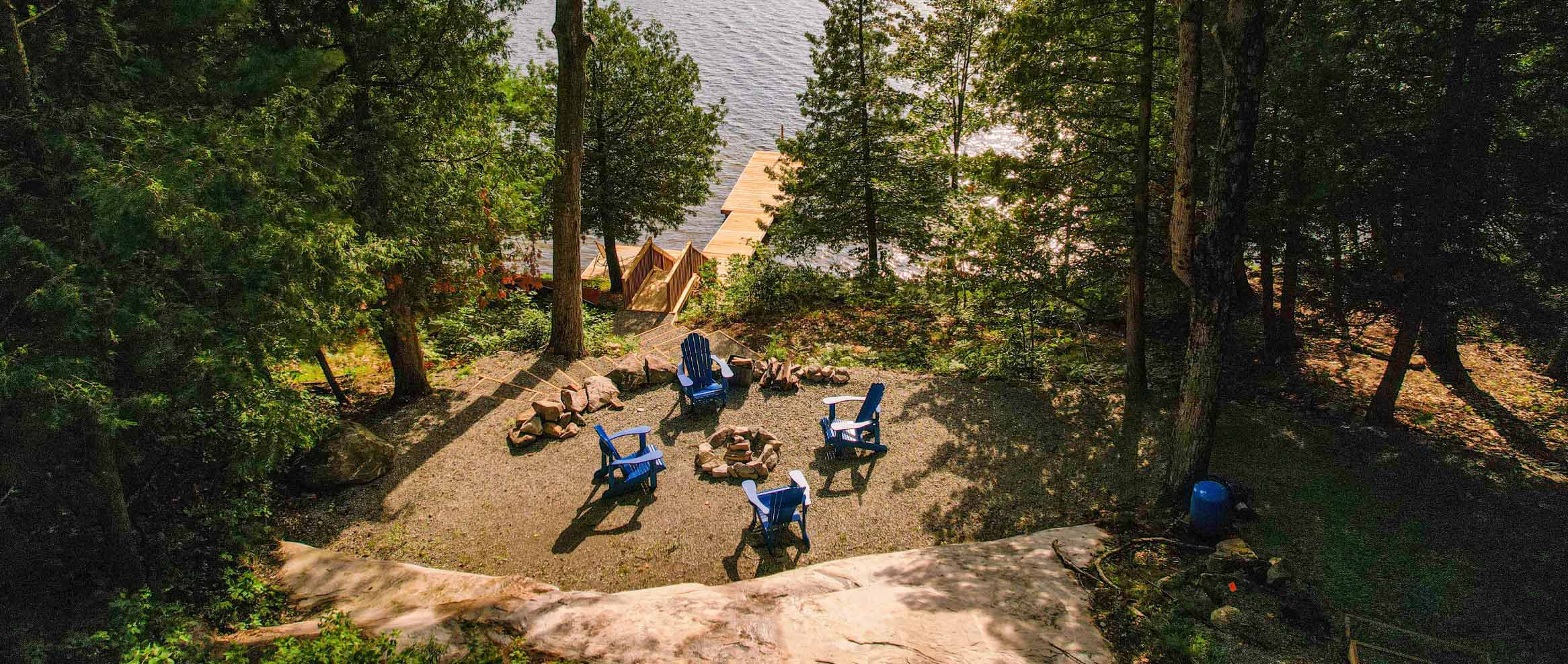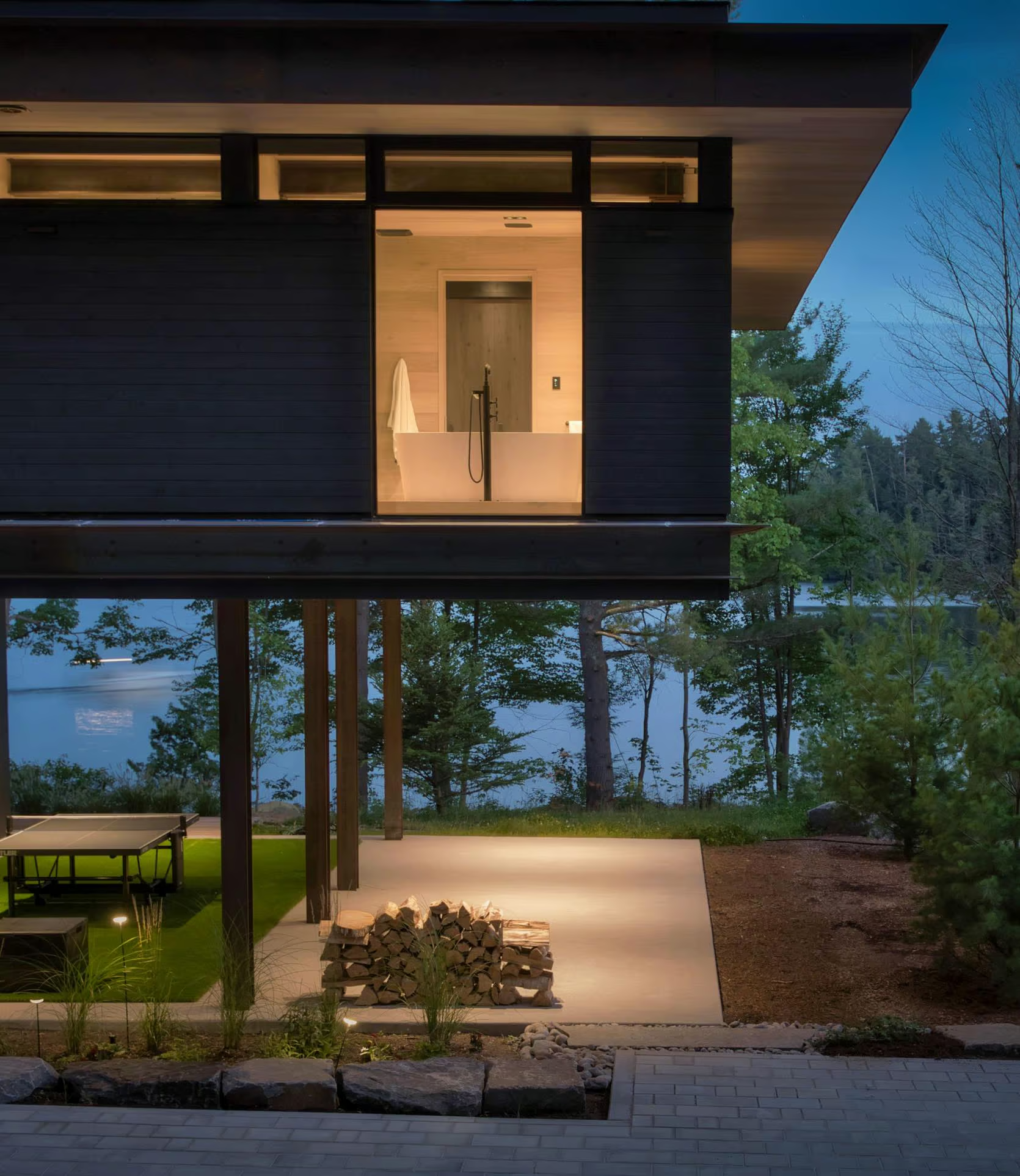
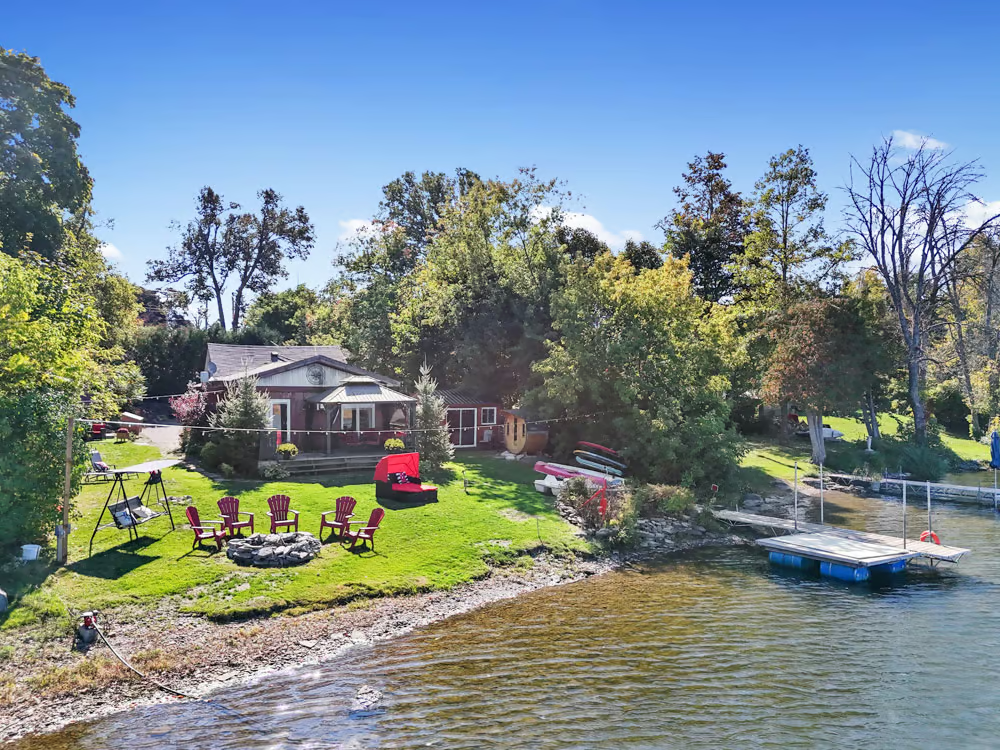
A cottage mortgage Ontario follows fundamentally different rules than a primary residence mortgage. CMHC insurance is not available for recreational properties, down payments must be at least 20%, and lender requirements around property classification, access, and condition are significantly more stringent. Buyers who understand how cottage mortgage Ontario financing works before beginning their search are positioned to move confidently and qualify successfully when the right property appears.
Why Cottage Mortgage Financing Differs From Residential Home Loans
Many buyers approaching their first Ontario cottage purchase carry assumptions about the mortgage process that apply to residential home purchases but not to recreational property financing. The rules governing cottage mortgages in Ontario are shaped by how lenders assess risk on properties that are not principal residences, may be seasonal, and often involve access and condition characteristics that differ from standard urban homes.
Understanding those differences before you begin your search is not a minor detail. It determines your actual purchasing power, shapes which properties are financially accessible, and affects how quickly you can act when you find the right cottage.
CV Real Estate incorporates financing clarity into the early stages of every buyer relationship.
CMHC Mortgage Insurance Does Not Apply to Ontario Cottage Mortgages
The Canada Mortgage and Housing Corporation (CMHC) provides mortgage default insurance that allows Canadian residential buyers to purchase a principal residence with as little as 5% down. This program has driven homeownership for millions of Canadians since its inception.
Recreational and investment properties are explicitly excluded from CMHC mortgage insurance eligibility. This is the single most important distinction between cottage mortgage financing and residential mortgage financing in Ontario.
The practical consequence is that every cottage mortgage in Ontario must qualify under conventional financing terms, which means a minimum 20% down payment regardless of the purchase price. There is no pathway to cottage ownership with a 5%, 10%, or 15% down payment through insured lending.
The Canada Mortgage and Housing Corporation outlines mortgage insurance eligibility requirements on its website for buyers who want to understand the specific restrictions.
Down Payment Requirements for Ontario Cottage Mortgages
The minimum down payment for a recreational property cottage mortgage Ontario is 20% of the purchase price under conventional lending. In practice, requirements may be higher depending on the lender and property classification when securing a cottage mortgage Ontario.
Standard Recreational Properties
A year-round Ontario cottage with municipal road access, a well-maintained structure, and traditional waterfront or water access classification typically qualifies for conventional financing with 20% down at most major Canadian banks. These properties meet standard lender criteria for a cottage mortgage Ontario and attract competitive interest rates comparable to primary residence mortgages.
Seasonal and Remote Properties
A seasonal property with limited road access, boat-access-only entry, a structure that does not meet lender habitability standards, or a private road without year-round maintenance may require 25% to 35% down when applying for a cottage mortgage Ontario. Some properties may fall outside the lending criteria of major chartered banks entirely and require specialty lenders who understand recreational property risk profiles. Before you begin searching, explore 5 things to know before you buy a cottage in Ontario to sharpen your understanding of what to look for.
Rural and Remote Properties
Extremely remote properties, including those only accessible by plane or boat, are often ineligible for mainstream lender financing and require private mortgage arrangements or specialty lenders who understand recreational property risk profiles.
Confirming the property classification before submitting an offer is essential. A property that looks straightforward on a listing sheet may carry access or structural characteristics that trigger higher down payment requirements or reduce your pool of willing lenders.
How Lenders Assess Ontario Cottage Properties
Mortgage lenders apply a range of property assessment criteria to recreational properties in Ontario that go beyond the credit and income analysis applied to a residential mortgage application.
Year-Round vs. Seasonal Designation
Lenders treat year-round properties, which have maintained road access, insulated and winterized structures, and year-round utilities. More favourably than seasonal properties. Year-round properties qualify under broader lender criteria and often carry slightly better financing terms. If you’re considering a seasonal property, reviewing how to winterize a cottage can help you assess whether a seasonal property can be upgraded to year-round status.
Potable Water Source
A property must have access to a potable water source that meets Ontario Drinking Water Standards. A drilled well with documented water quality results is acceptable to most lenders. A dug well, lake water intake, or water hauling arrangement may trigger additional requirements or lender concerns.
Road Access
Year-round municipal road access is the most favourable classification. Private road access maintained by a cottage road association is generally acceptable with documentation. Unassumed roads with no maintenance agreement, and boat-access-only properties, create financing complexity.
Structure Condition
Lenders require that the structure be habitable, well-maintained, and suitable for full-time occupancy. A property in significant disrepair or with a structure that does not meet current building standards may require a holdback, an escrow arrangement for repairs, or a larger down payment.
The Financial Consumer Agency of Canada provides practical mortgage education resources that buyers can use to understand conventional lending requirements across property types.
How Your Primary Residence Mortgage Affects Cottage Financing
If you already own a primary residence with an existing mortgage, that obligation forms part of your debt service calculations when qualifying for a cottage mortgage. Ontario cottage buyers should understand two key calculations that lenders apply.
Gross Debt Service Ratio (GDS)
The GDS ratio measures the proportion of gross income consumed by housing costs, including mortgage payments, property taxes, and heating costs. The standard maximum GDS ratio is 39% under conventional lending guidelines.
Total Debt Service Ratio (TDS)
The TDS ratio includes all housing costs plus all other debt obligations like car loans, lines of credit, student loans, and any other monthly debt payments. The standard maximum TDS ratio is 44%.
Adding a cottage mortgage to an existing primary residence mortgage can push buyers beyond these thresholds if their income does not support both obligations. Understanding your TDS and GDS position before beginning your cottage search prevents the frustration of identifying a property you cannot finance. For buyers considering whether cottage ownership makes financial sense overall, our guide on whether a cottage is a good investment is worth reviewing before you commit.
Can I Use Rental Income to Qualify for an Ontario Cottage Mortgage?
Short-term rental income from platforms like Airbnb or VRBO has become a meaningful income stream for many Ontario cottage owners. Whether lenders will count this income toward mortgage qualification is less straightforward.
- Major chartered banks vary significantly in their treatment of short-term rental income. Some will credit a portion of documented rental income; others will not.
- A property that has been actively rented with documented income history and a track record of occupancy is more likely to receive rental income recognition than a property with no rental history.
- Zoning restrictions in some Ontario cottage municipalities limit or prohibit short-term rentals. Relying on rental income to qualify for a mortgage on a property that cannot legally be rented creates both a financial and a legal problem.
- Speak with a mortgage broker who specializes in recreational property before building rental income assumptions into your qualification calculations.
Our advisors at CV Real Estate connect buyers with financing professionals experienced in Ontario cottage property as part of our buyer advisory process.
Working With a Mortgage Broker for an Ontario Cottage
The mortgage market for recreational properties in Ontario is meaningfully different from the residential market. Not all lenders offer cottage mortgage products, and the criteria, rates, and terms vary considerably across the institutions that do.
A mortgage broker with specific experience in Ontario recreational property financing can provide buyers with access to a broader range of lender options, help navigate property classification challenges, and advise on structuring a financing approach that reflects the specific characteristics of the cottage being purchased.
Buyers who approach their cottage search with pre-approval in hand, specific to recreational property, are in a considerably stronger position when they find the right property and need to move quickly.
Home Equity and Refinancing as a Cottage Financing Strategy
Some Ontario cottage buyers access the down payment for a recreational property by leveraging equity in their primary residence. A home equity line of credit (HELOC) or a mortgage refinance can provide the down payment capital needed to qualify for a conventional cottage mortgage, particularly where the buyer has limited liquid savings but substantial home equity.
This approach has implications for the buyer’s overall debt load, their TDS and GDS ratios, and the risk profile associated with using leverage to finance a discretionary purchase. These implications should be reviewed with both a mortgage professional and a financial planner before proceeding.
Our team at CV Real Estate can discuss the financing landscape with you as part of an initial buyer consultation and connect you with the appropriate professionals.
Interest Rates and Mortgage Terms for Ontario Cottage Properties
Cottage mortgage interest rates in Ontario are generally comparable to primary residence rates when the property meets standard lender criteria. Properties that require specialty financing or carry higher risk classifications may attract a rate premium of 0.25% to 1% or more above standard rates.
Mortgage term selection for a recreational property follows similar principles to a primary residence. Buyers who expect to keep the property long-term often prefer longer-term fixed rates for predictability. Buyers with significant short-term liquidity or flexibility may consider shorter terms or variable rates depending on the rate environment at the time of purchase.
Frequently Asked Questions
1. Can I get a mortgage on an Ontario cottage with less than 20% down?
No. Recreational properties in Ontario are not eligible for CMHC mortgage default insurance, which means all cottage mortgages must be conventional. A minimum 20% down payment is required, and some property types require 25% to 35% depending on access, condition, and lender criteria.
2. Do mortgage rates for Ontario cottages differ from residential rates?
For standard recreational properties that meet major lender criteria, rates are generally comparable to residential rates. Properties that require specialty financing due to access, condition, or classification may carry a rate premium. A mortgage broker who handles recreational properties can give you the most accurate picture of current rate options.
3. Can I use my RRSP Home Buyers’ Plan to help purchase a cottage?
No. The RRSP Home Buyers’ Plan allows first-time buyers to withdraw from their RRSP to purchase a qualifying home, which must be their principal place of residence. A recreational cottage does not qualify for this program.
4. How does lender classification of a seasonal cottage affect my mortgage?
A property classified as seasonal by the lender may require a higher down payment, attract a rate premium, or fall outside the lending parameters of major chartered banks entirely. Year-round properties with municipal road access and winterized structures are assessed more favourably and offer more competitive financing options.
5. What documents do I need to apply for an Ontario cottage mortgage?
Standard documents include proof of income (pay stubs, T4s, or tax returns for self-employed buyers), confirmation of assets and down payment source, the purchase agreement once an offer is accepted, and a property appraisal commissioned by the lender. Recreational property lenders may also request documentation on the property’s access, water source, and sewage system.
6. How does CV Real Estate support buyers navigating cottage mortgage financing?
Our advisors discuss financing requirements and realistic purchasing power with buyers before they begin their active search. We connect clients with mortgage brokers who specialize in Ontario recreational property, help buyers understand how property classification affects their financing options, and remain engaged through the financing condition period to support a smooth approval process.
Financing Your Ontario Cottage the Right Way
Cottage mortgage financing in Ontario rewards preparation. Buyers who understand the rules, confirm their financial position, and work with advisors and lenders who have genuine recreational property expertise are the ones who close efficiently and begin enjoying their cottage without financial uncertainty hanging over the purchase.
CV Real Estate is ready to support you through every financial and practical dimension of your Ontario cottage search. Contact our team on the CV Real Estate contact page to start the conversation.
Key Takeaways
- CMHC mortgage insurance is not available for recreational properties in Ontario. All cottage mortgages must be conventional, requiring a minimum 20% down payment.
- Lender assessment criteria for cottage properties include year-round access, potable water source, structure condition, and property classification. Properties that fall outside standard criteria require higher down payments or specialty lenders.
- An existing primary residence mortgage reduces your cottage borrowing capacity through GDS and TDS ratio calculations. Buyers should confirm their debt service position before searching.
- Short-term rental income is not universally recognized by lenders for qualification purposes, and relying on it without confirming both lender acceptance and local zoning permissions carries financial risk.
- Obtaining a mortgage pre-approval specific to recreational property before starting your cottage search gives you the financial clarity and competitive position to act when the right
Meet The Team
We’re cottage country enthusiasts and vacation property experts, helping renters, buyers, and sellers reach their goals for more than 20 years.