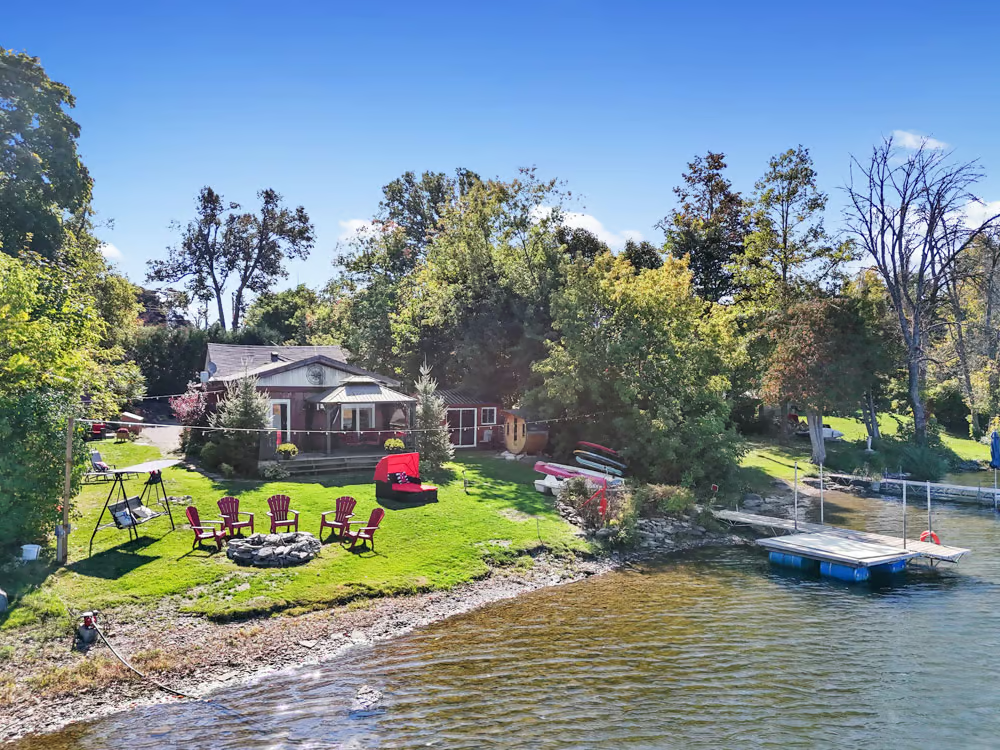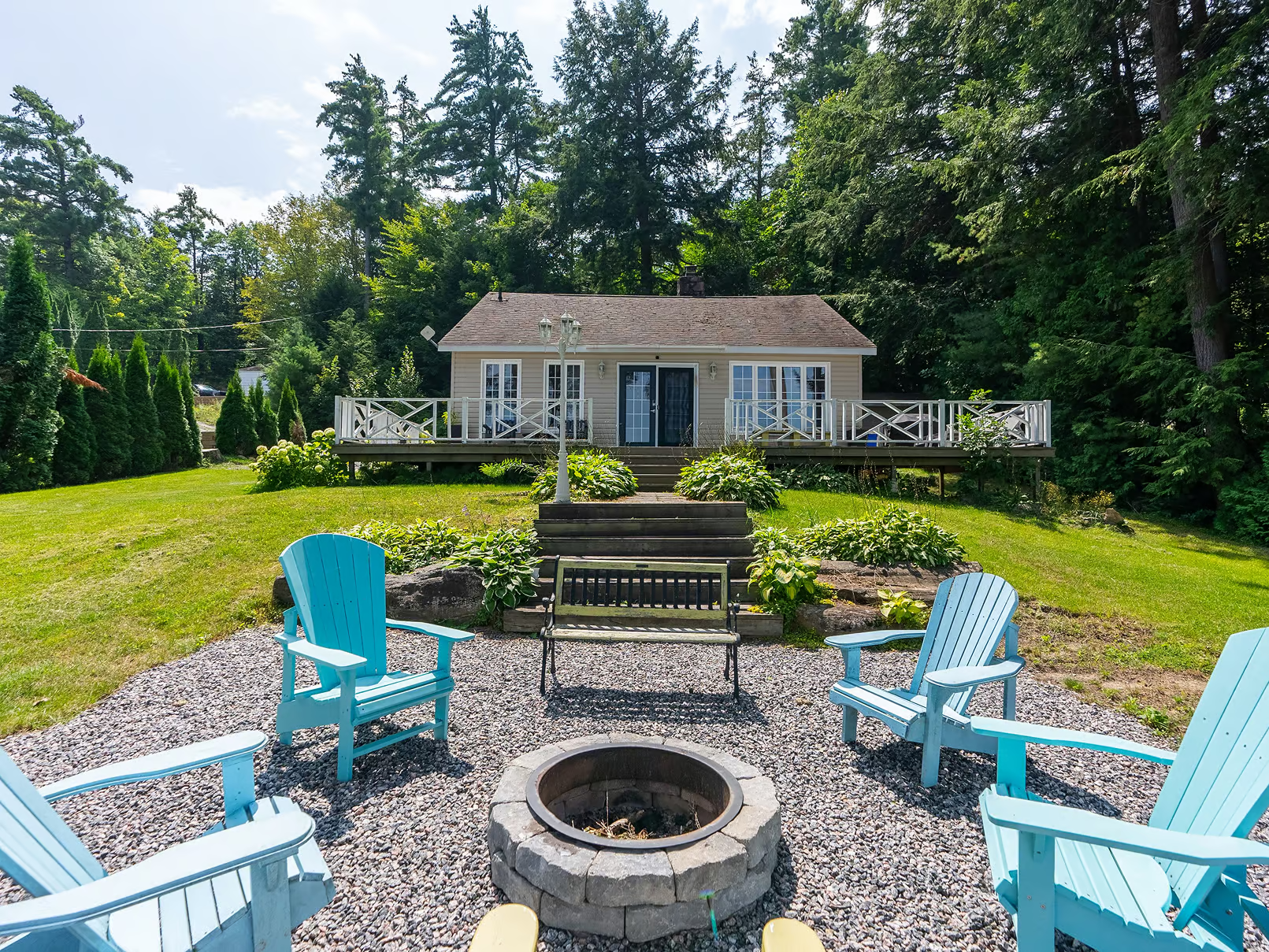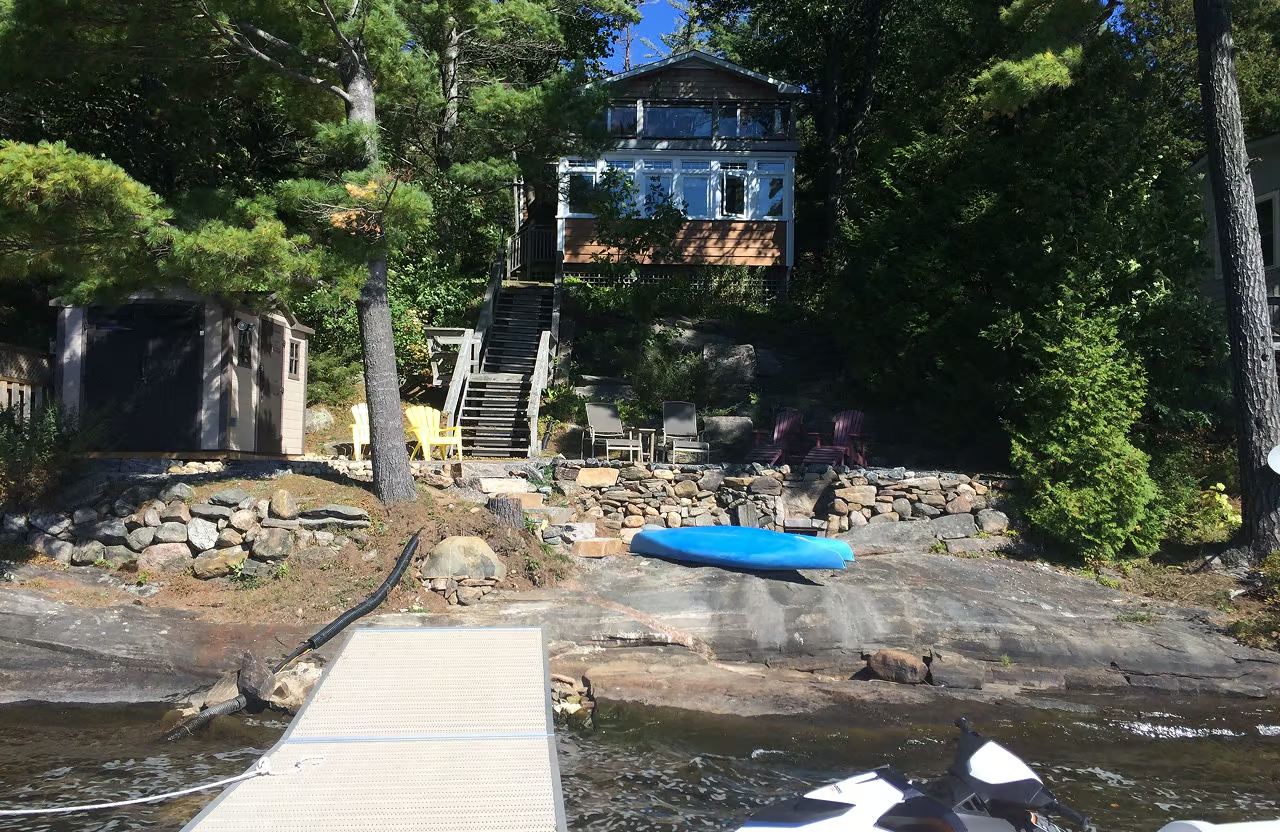
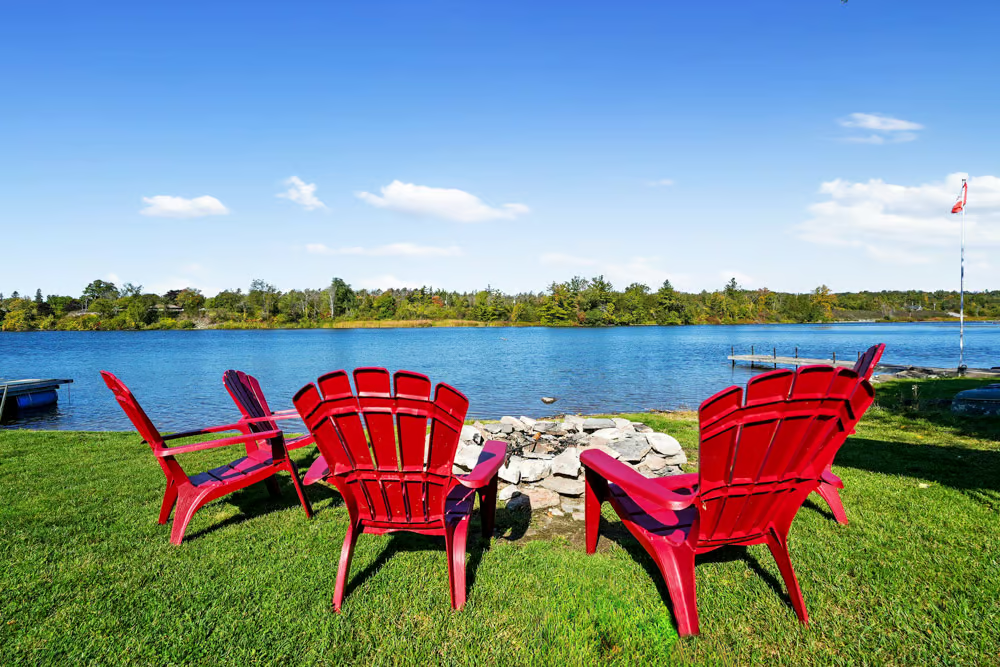
The waterfront vs water access cottage distinction is one of the most consequential decisions a cottage buyer in Ontario will make. Waterfront properties include owned shoreline, full riparian rights, and direct lake access from your own land. Water access properties reach the lake through shared docks, Crown land leases, or right-of-way agreements. The difference shapes your legal rights, financing options, resale value, and daily experience on the water.
Why the Waterfront vs Water Access Distinction Matters More Than Most Buyers Expect
When Ontario cottage buyers begin their search, the word “waterfront” gets used loosely. in conversation, in MLS listing descriptions, and sometimes even by well-meaning agents. But the legal reality behind that word carries enormous consequences for what you actually own.
The waterfront vs water access cottage classification affects your legal rights to the shoreline, what structures you can build, how lenders evaluate your mortgage application, what you can expect when you eventually sell, and whether the daily ownership experience matches what you had in mind when you started looking.
Getting this distinction wrong or discovering it only at inspection is a costly mistake that experienced buyers and advisors work hard to avoid.CV Real Estate advisors confirm the water classification of every property before clients invest serious time or emotional energy in a viewing. Book a buying call to start your search with clarity from day one.
What Does Waterfront Mean for an Ontario Cottage?
A waterfront cottage in Ontario is a property where the titled land extends to the natural water’s edge of a lake, river, or other body of water. The owner holds fee simple title to the land, including the shoreline itself.
With waterfront ownership comes riparian rights, the legal entitlements allowing a landowner whose property abuts a body of water to make reasonable use of that water. In Ontario, riparian rights include the right to access the water, build a dock (subject to permits), draw water for domestic use, and enjoy recreational use of the water adjacent to the property.
Waterfront properties carry the broadest set of rights and are the most straightforward to finance, insure, and resell.
What Waterfront Buyers Need to Confirm
- Confirm that the legal description of the property specifically identifies the shoreline as part of the titled parcel.
- Review the survey or Certificate of Location to verify frontage measurement and confirm there are no encumbrances on the shoreline.
- Identify whether any portion of the waterfront is subject to a conservation easement or shoreline protection agreement that limits development or vegetation removal.
- Confirm that existing docks and boathouses are permitted and within applicable shoreline setback requirements.
What Does Water Access Mean for an Ontario Cottage?
A water access cottage in Ontario is a property that does not include owned shoreline as part of the titled land. Instead, the property reaches the lake through one of several alternative arrangements:
- Crown land frontage: The property abuts the lake across a strip of land owned by the Province of Ontario. The cottage owner may hold a licence of occupation or lease from the Crown for use of the water’s edge, but does not own the shoreline.
- Right of way over neighbouring private land: Some properties access the water through a registered easement across a neighbouring owner’s waterfront parcel. The terms of this right of way are documented in title and may carry restrictions.
- Shared or community dock arrangement: Some cottage developments include shared docking facilities used by multiple property owners. Maintenance obligations, priority of use, and the future of these arrangements are governed by agreements buyers must review carefully.
- Deeded water access lot: In some planned cottage communities, buyers purchase a separate deeded lot with lake frontage, held alongside the main cottage parcel.
Water access properties are not inherently inferior to waterfront, but they carry a fundamentally different set of rights, responsibilities, and limitations. Understanding these differences before making an offer is essential – something we walk through in detail in our guide to five things to know before you buy a cottage in Ontario.
Key Differences: Waterfront vs Water Access Cottage
Legal Rights
Waterfront ownership includes riparian rights and direct control over your shoreline. Water access ownership does not. Your right to use the water depends on the terms of the Crown lease, easement, or shared access agreement, all of which can change over time, be challenged, or carry conditions that restrict your use.
What You Can Build
A waterfront property owner can apply for dock and boathouse permits on their own shoreline, subject to municipal and provincial approvals. A water access owner on Crown land can apply for a dock permit through the Crown, but the rights and process are different and less certain. An owner relying on a right of way over neighbouring land may have no right to install structures at the water’s edge at all.
Financing Differences
Most major Canadian lenders are comfortable financing a true waterfront cottage with year-round road access under conventional terms. Water access properties, particularly those on Crown land or accessible only by boat, are assessed more cautiously. Some lenders apply a higher down payment requirement or decline to finance certain water access configurations entirely. For more on how lending policies are shifting, see our breakdown of major lending policy changes real estate investors need to know.
Resale Value and Market Depth
Waterfront properties consistently command higher prices per square foot and attract a broader pool of buyers than comparable water access properties. The price differential on the same lake in Muskoka typically ranges from 20% to 40%, reflecting both the stronger rights and the larger buyer pool for direct waterfront. Buyers weighing the long-term financial picture should also consider whether a cottage is a good investment for their situation.
Insurance
Cottage insurance underwriters assess waterfront and water access properties differently. Waterfront properties have clearer ownership of the shoreline, which simplifies coverage terms. Some water access arrangements, particularly those on Crown land, can complicate insurance coverage for dock structures. The Insurance Bureau of Canada provides general guidance on recreational property insurance considerations relevant to both property types.
Crown Land Frontage: What Cottage Buyers in Ontario Need to Know
A meaningful portion of Ontario’s cottage properties, including many in Muskoka, sit adjacent to Crown land frontage rather than owning their shoreline directly. This arrangement is more common on older properties and on specific lakes where significant Crown land remains in government ownership.
Buyers considering a Crown land frontage property should confirm:
- Whether the Crown land is covered by a valid licence of occupation or lease, and the terms, renewal conditions, and annual fees associated with it.
- What structures are permitted under the Crown licence and whether existing docks or boathouses fall within approved uses.
- How a future buyer would be able to renew or transfer the Crown licence, as this affects resale liquidity.
- Whether the Crown land could be subject to a future claim or disposition that affects the property’s access to the water.
The Ontario Ministry of Natural Resources and Forestry Crown Land Use Policy Atlas is the authoritative provincial resource for understanding Crown land designations and permitted uses adjacent to Ontario cottage properties.
For a comprehensive walkthrough of the buying process in Muskoka, see our guide to buying a cottage in Muskoka on the CV Real Estate blog.
When Water Access Can Be the Right Choice
Water access properties are not the wrong choice for every buyer. There are well-defined circumstances where they represent a sensible and informed decision.
- Budget considerations: On a given lake, a water access property may allow a buyer to access a location or community they could not otherwise afford. If the access arrangement is well-documented, the rights are stable, and the price reflects the classification accurately, a water access property can deliver strong value.
- Boat-access-only communities: Some Muskoka lakes host established communities where properties are exclusively boat-access. In these settings, the lifestyle is self-selecting, the community is cohesive, and the boat-in experience is part of the appeal and not a limitation. Understanding what a cottage actually is in the Ontario context helps buyers appreciate the range of ownership experiences available.
- Deeded water access lots: Where a separate deeded lot provides lake frontage alongside the main cottage parcel, the ownership structure can be more secure than a Crown lease or easement arrangement, depending on the specific documentation.
The decision should always be based on a thorough review of the actual access documentation, not on representations from a listing or a verbal description of the arrangement.
How CV Real Estate Helps Buyers Navigate This Decision
The waterfront vs water access cottage question is exactly the kind of decision that benefits from experienced advisory guidance. CV Real Estate works with buyers to identify the precise water classification of any property under consideration, review the documentation that supports access rights, and assess how the classification affects both the purchase decision and the long-term ownership experience.
We do not let buyers proceed to an offer on a water access property without a clear understanding of what they are acquiring. That level of transparency and due diligence is the standard we apply to every client relationship.
Reach out to our team through the CV Real Estate contact page to discuss how the waterfront and water access properties available in your target region compare.
You can also review our full range of advisory services on the CV Real Estate services page.
Making an Informed Choice Between Waterfront and Water Access
Both waterfront and water access cottage properties can deliver exceptional recreational experiences. The difference lies in the legal foundation underneath that experience. Buyers who understand precisely what type of water relationship they are purchasing, and who have reviewed the documentation that supports it, make decisions they can stand behind confidently for decades.
CV Real Estate provides the expertise and personal guidance to help you make that decision well. Start the conversation on the CV Real Estate contact page.
Stay informed on Ontario cottage market distinctions through the CV Real Estate blog.
Frequently Asked Questions
1. Is a water access cottage worth less than a waterfront cottage?
Generally yes. Waterfront properties with owned shoreline command a premium of 20% to 40% or more over comparable water access properties on the same lake in Muskoka. This reflects the broader pool of buyers for true waterfront, stronger legal rights, and simpler financing and insurance arrangements.
2. Can I build a dock on a Crown land frontage property?
In some cases, yes. The Province of Ontario issues work permits for docks and other structures on Crown land. However, the approval process is separate from a municipal permit, and the rights granted are different from building on your own titled land. Buyers should confirm the permit history of any existing structures and the likelihood of permit renewal before closing.
3. How do I confirm whether a property is true waterfront or water access?
Review the legal description of the property and the survey or Certificate of Location. A waterfront property will show the parcel boundary extending to the water’s edge. A water access property will show a separation between the titled land and the shoreline. Your real estate lawyer will identify this clearly during the title search.
4. Are boat-access-only properties financeable in Ontario?
Some lenders will finance boat-access properties, but the down payment requirements are typically higher (25% to 35%), and the pool of willing lenders is smaller. Buyers considering a boat-access property should obtain financing pre-approval specific to that property type before making an offer.
5. What should I review in a right-of-way water access agreement?
Key items include the nature of the right (exclusive vs. shared), the location and physical dimensions of the access corridor, any restrictions on hours of use or structure installation, how the agreement is registered on title, and what happens if the neighbouring property changes ownership. Your real estate lawyer should review this document in full before you waive your conditions.
6. Does CV Real Estate help buyers evaluate water access arrangements?
Yes. Our advisors review the water classification of every property before a client views it and help buyers assess whether the access arrangement is appropriate for their intended use. We work alongside qualified real estate lawyers to confirm the legal basis for water access before any offer proceeds.
Key Takeaways
- Waterfront properties include owned shoreline and full riparian rights. Water access properties reach the lake through Crown land, easements, or shared arrangements- with a fundamentally different set of rights.
- The waterfront vs water access distinction affects legal rights, what you can build, how you can finance the purchase, and what you can expect at resale.
- Crown land frontage properties carry licensing arrangements that buyers must review carefully, including renewal terms, permitted structures, and transferability.
- Water access properties can represent informed and appropriate choices under the right circumstances, particularly when the access documentation is clear and the price reflects the classification accurately.
- Always confirm the exact water classification through a legal title review before waiving conditions on any Ontario cottage purchase.
Meet The Team
We’re cottage country enthusiasts and vacation property experts, helping renters, buyers, and sellers reach their goals for more than 20 years.