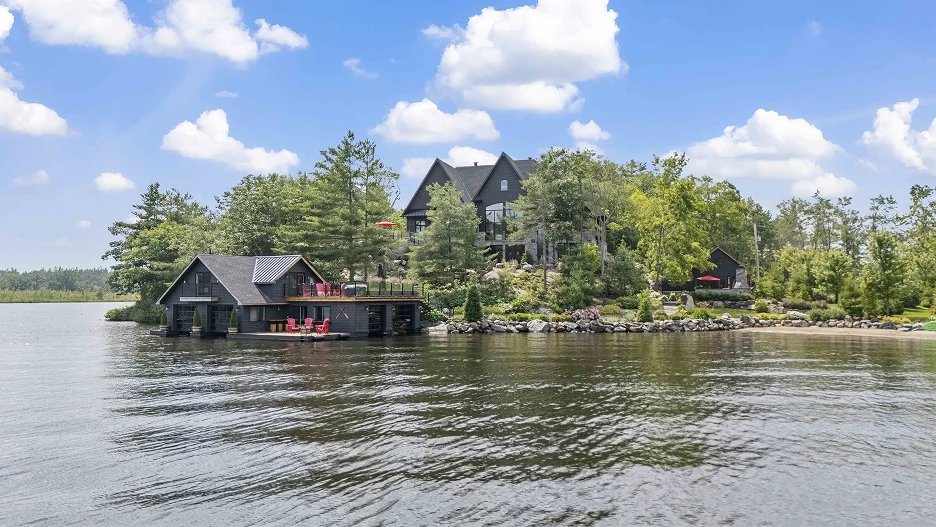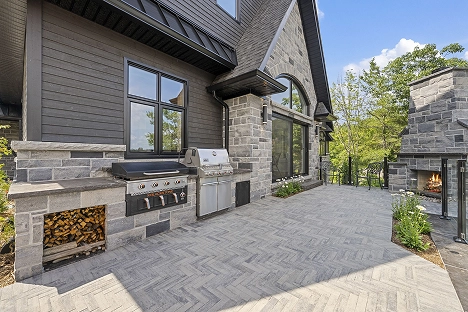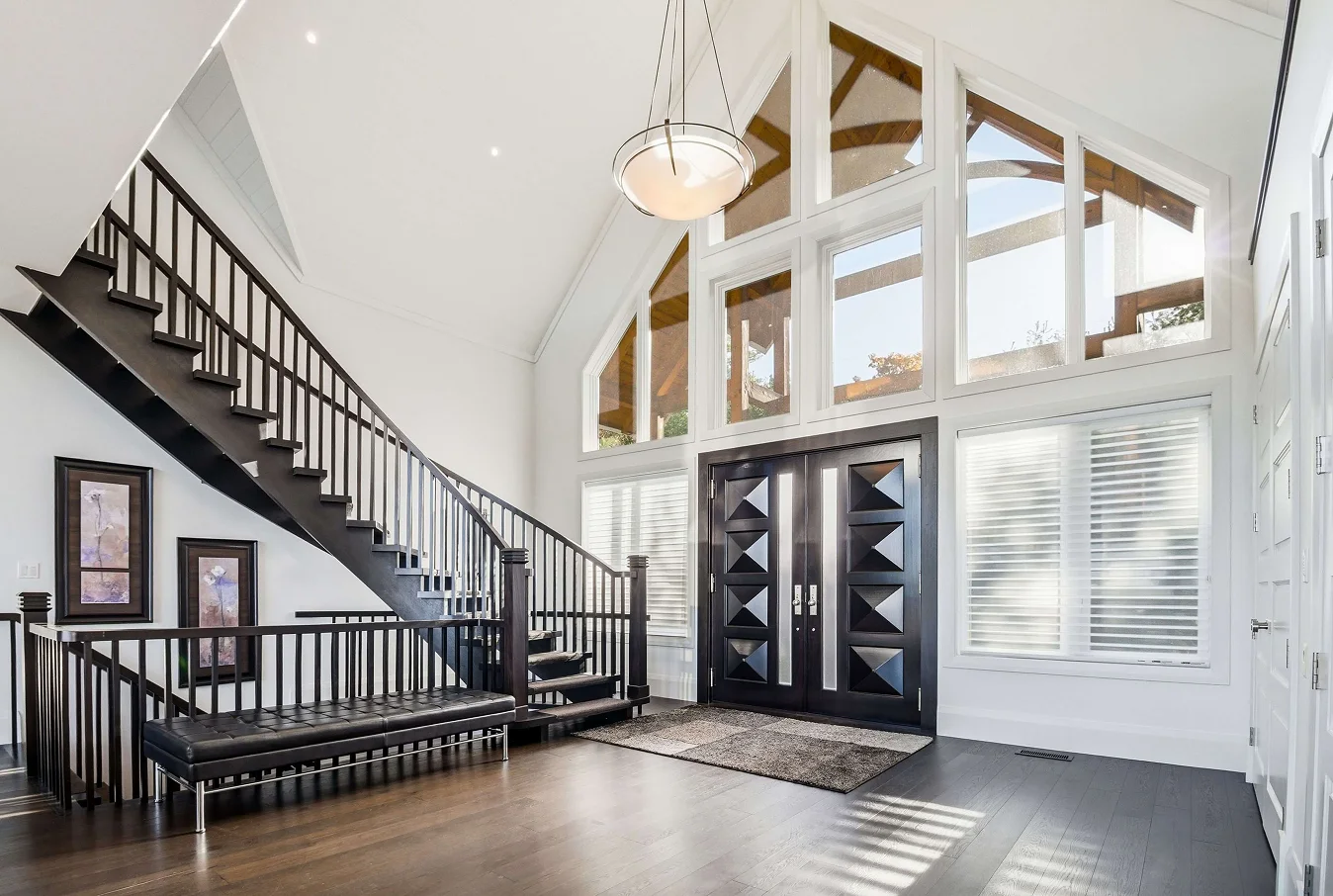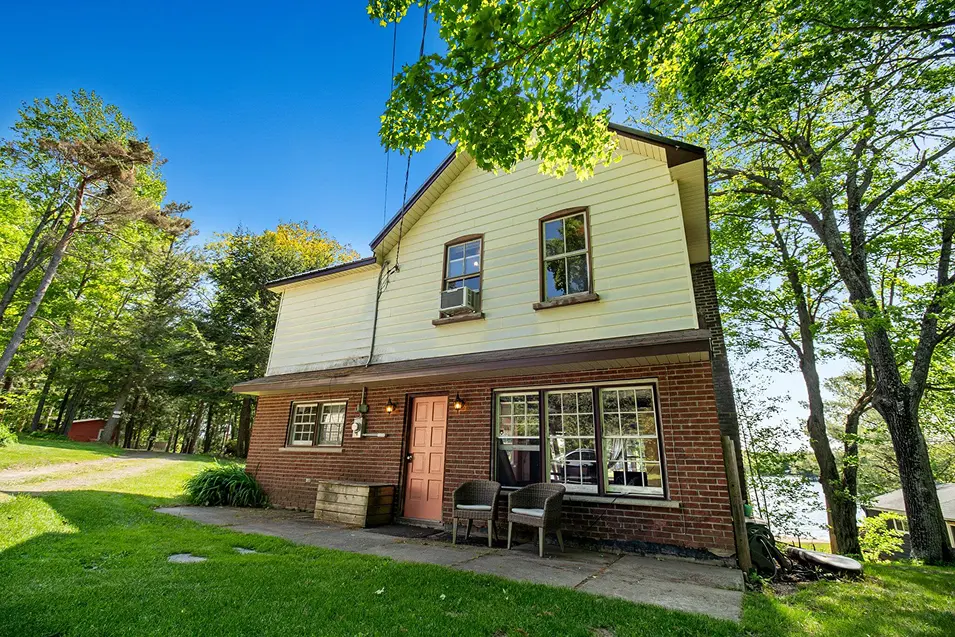
Buying a cottage with family in Ontario is one of the most rewarding property decisions a family can make together, and one of the most complex. Shared ownership requires clear legal agreements, aligned financial expectations, defined use schedules, and a shared understanding of costs and responsibilities. Families who address these foundations before closing tend to enjoy their cottage for generations. Those who skip them often encounter conflict that the cottage itself cannot survive.
Why a Family Cottage in Ontario Is About More Than a Property Purchase
For many Ontario families, the cottage is not just a real estate investment. It is the place where memories are made across generations, where children grow up swimming in the same lakes their parents did, and where the pace of life slows in ways that matter. The emotional weight of a family cottage purchase is real and meaningful.
That emotional significance is also precisely why buying a cottage with family in Ontario requires more deliberate preparation than a standard individual purchase. When multiple family members are involved in ownership, whether that is a couple purchasing together, siblings buying a family property jointly, or parents transferring a cottage to the next generation, the interpersonal dynamics layer onto the legal and financial complexity in ways that benefit enormously from clear, upfront planning.
The families who enjoy their Ontario cottages for decades without conflict are almost always the ones who worked through the hard questions before they closed, not after.
CV Real Estate works with families navigating shared cottage purchases and generational transfers. Explore how we structure these engagements on the CV Real Estate buyers page.
Aligning Family Priorities Before You Begin the Search
The first conversations that matter most in a family cottage purchase are not with a real estate agent or a lender. They are with each other.
Agreeing on Budget
A shared purchase requires shared financial clarity. Every party involved should understand the full cost picture, including purchase price, closing costs, annual carrying costs, and maintenance reserves, and confirm their individual capacity and willingness to contribute to each of those categories. Assumptions about who will cover what can erode goodwill quickly if they are not made explicit before the search begins.
Budget alignment also means agreeing on the borrowing approach. Will the purchase be made with a single joint mortgage, individual contributions to a shared purchase, or a combination of equity and financing? Each arrangement has different implications for qualification and legal structure.
Agreeing on the Type of Property
Different family members often have different visions of what a cottage should be. One buyer wants a waterfront lot with a modest structure they can build on over time. Another wants a turnkey property they can use immediately. One generation prioritizes a quiet, private setting. Another wants a bustling lake with strong boating and social activity.
Resolving these differences before viewing properties, rather than during a viewing when emotions are high, produces a more focused search and reduces the risk of one party feeling steamrolled into a purchase they did not genuinely want.
Agreeing on Use
How the cottage will be used is a question that seems obvious in the abstract but becomes contentious in practice if it is not addressed directly. Who gets priority access in peak summer weeks? How are long weekends divided? Can family members bring guests without notice? Can the property be rented out when not in use by the family? These questions benefit from explicit answers, not assumptions.
Our guide on the best time to buy a cottage in Ontario covers seasonal market dynamics that families should factor into their purchase timing.
Legal Co-Ownership Structures for an Ontario Family Cottage
When more than one person purchases an Ontario property together, the legal structure of that ownership has significant implications for what happens in the future, including on the death of a co-owner, a relationship breakdown, or a dispute among owners.
Joint Tenancy
Joint tenancy means that all owners hold the property collectively, with equal and undivided interests. The key feature of joint tenancy is the right of survivorship: when one owner dies, their interest passes automatically to the surviving co-owners, bypassing the deceased owner’s estate and will.
Joint tenancy is common among spouses purchasing together because it provides simple succession without probate. It is less appropriate for sibling purchases or multigenerational arrangements where each party’s interest should pass to their own heirs.
Tenancy in Common
Tenancy in common allows each co-owner to hold a defined percentage share of the property. Each owner’s share can be passed to their estate and heirs, and shares can be unequal if the parties contribute different amounts to the purchase.
Tenancy in common provides more flexibility and is often more appropriate for family group purchases. However, it requires a co-ownership agreement that addresses how the property will be managed, how costs will be shared, what happens when one owner wants to sell, and how disputes will be resolved.
Corporate Ownership
Some families hold a cottage property through a corporation, typically a family holding company. This structure can provide certain tax planning advantages and liability protections, but it also introduces administrative complexity and cost. Corporate ownership of recreational property should only be pursued with specific legal and tax advice from qualified professionals.
The Ontario Real Estate Association (OREA) provides buyer resources on Ontario property ownership structures and purchaser rights that are useful background for families entering a co-ownership arrangement.
The Co-Ownership Agreement: Why It Is Not Optional
A co-ownership agreement is a legal document that governs the relationship between co-owners of a shared property. For a family cottage purchase in Ontario, it is among the most important documents associated with the transaction, and the one most commonly skipped.
A well-drafted co-ownership agreement should address:
- Ownership shares and how they are determined, including how additional capital contributions affect those shares over time.
- Cost-sharing arrangements for mortgage payments, property taxes, insurance, and maintenance, including how unexpected major expenses are funded.
- Use and scheduling policies, including peak season access allocation, guest policies, and procedures for booking conflicts.
- Decision-making authority for capital improvements, rental decisions, and significant property changes.
- A mechanism for one co-owner to exit the arrangement, including a right of first refusal for other co-owners if one party wants to sell their share.
- What happens on the death, incapacity, or marital breakdown of a co-owner.
This agreement should be drafted by a real estate lawyer with experience in co-ownership and family property arrangements, not downloaded from a generic template source.
For a full introduction to the Ontario cottage buying process, see our cottage buying checklist for Ontario.
Estate Planning and the Family Cottage
A family cottage in Ontario with meaningful appreciated value represents a significant estate planning consideration. Unlike a principal residence, a recreational property is subject to capital gains tax on disposition, including deemed disposition at death.
Families purchasing a cottage together, or those who already hold one and are thinking about generational succession, should engage a qualified tax and estate planning advisor to address:
- How ownership shares are structured to minimize future estate complications.
- Whether a life insurance strategy can fund the tax liability triggered on deemed disposition at death.
- Whether gifting, trust structures, or phased transfer arrangements are appropriate for the family’s specific situation.
- How the cottage fits within each owner’s overall estate plan and how it interacts with other assets and beneficiaries.
The Canada Revenue Agency’s guidance on principal residence and capital gains provides foundational information on how recreational properties are treated for Canadian income tax purposes.
Choosing the Right Property for Family Use in Ontario
The physical requirements of a family cottage are meaningfully different from those of a couple’s retreat or a solo buyer’s purchase. Families should factor in:
- Bedroom count and sleeping capacity that genuinely accommodates the full family group across the likely peak occupancy scenarios.
- Safe shoreline access that is appropriate for children of varying ages, including shallow entry areas, manageable dock heights, and clear sight lines from the main cottage.
- Activity space beyond the waterfront, including outdoor areas for games, campfires, and the kind of unstructured outdoor time that defines the cottage experience for children.
- Proximity to medical services, particularly for families with young children or older members, given that Muskoka and other cottage regions can be meaningful distances from hospital facilities.
- Road access and travel time from the family’s primary residence, balancing the appeal of a remote setting against the practical reality of regular weekend trips.
See how we approach recreational property search and assessment on the CV Real Estate residential page.
How CV Real Estate Supports Family Cottage Purchases in Ontario
A family cottage purchase brings together financial, legal, relational, and practical dimensions that benefit from an advisor who takes the full picture seriously. CV Real Estate works with families to clarify priorities before the search begins, navigate co-ownership structure decisions alongside qualified legal counsel, and find properties that genuinely fit the family’s needs across every dimension.
We understand that a family cottage purchase is rarely just a real estate transaction. It is a foundation for something that is meant to last. Our advisors approach it with the care and thoroughness that intention deserves.
Reach out through the CV Real Estate contact page to begin a conversation about your family’s cottage search.
Stay informed through the CV Real Estate blog for ongoing market and buying guidance across Ontario’s cottage regions.
A Family Cottage Built on the Right Foundation Lasts for Generations
The families who hold their Ontario cottages with joy across decades are the ones who were honest with each other before closing, thorough with their legal preparation, and realistic about what shared ownership requires. Getting those foundations right is a gift the purchase gives to everyone who will ever sit on that dock.
CV Real Estate is here to help your family get it right. Start on the CV Real Estate contact page.
Frequently Asked Questions: Buying a Cottage with Family in Ontario
1. Can multiple family members be named on an Ontario cottage mortgage?
Yes. Up to four individuals can typically be named on a Canadian mortgage application as co-borrowers. All co-borrowers’ income and debt obligations are included in the qualification calculation, and all are equally responsible for the mortgage obligations.
2. What is the difference between joint tenancy and tenancy in common for a family cottage?
Joint tenancy means all owners hold the property collectively with a right of survivorship: when one owner dies, their interest passes automatically to the surviving co-owners. Tenancy in common means each owner holds a defined share that can be passed through their estate. For sibling co-ownership or multigenerational arrangements, tenancy in common with a co-ownership agreement is generally more appropriate.
3. What happens if one co-owner wants to sell their share of a family cottage?
This situation is why a co-ownership agreement is so important. Without one, a co-owner who wants to exit can force the sale of the entire property through a court partition application. With a well-drafted co-ownership agreement, the exit process is governed by agreed procedures, typically including a right of first refusal for the other co-owners to purchase the departing owner’s share at fair market value.
4. How do families typically divide cottage use in the summer?
Use scheduling varies by family. Common approaches include rotating priority access to peak weeks on a year-by-year basis, fixed seasonal allocations agreed at the start of each year, and a shared calendar where each co-owner books time on a first-come basis within agreed limits. The specific arrangement matters less than the fact that it is written down and agreed to in advance.
5. Are there specific properties in Ontario that are better suited to family cottage use?
Properties with sandy or shallow shoreline entries, multiple bedrooms, generous outdoor spaces, and safe road access for children tend to work best for families with young children. Year-round accessibility is an advantage for families who want to use the property outside the traditional summer season. Your advisor can help prioritize these features relative to your specific family’s situation.
6. How does CV Real Estate approach a family cottage purchase differently from an individual purchase?
We begin with a family alignment conversation before the search starts, helping co-purchasing parties clarify their shared priorities, budget contributions, and use expectations. We coordinate with legal and tax advisors on ownership structure questions, and we bring the same rigorous due diligence approach to family purchases that we apply to all transactions, recognizing that the stakes are not just financial but deeply personal.
Key Takeaways
- Buying a cottage with family in Ontario requires explicit alignment on budget contributions, property type preferences, and use scheduling before the search begins.
- Joint tenancy and tenancy in common are the two primary co-ownership structures for Ontario family cottages. Each has distinct implications for succession, exit, and estate planning.
- A co-ownership agreement drafted by a qualified real estate lawyer is essential for any family group purchase. It governs costs, use, decision-making, and exit arrangements.
- Estate planning for a shared Ontario cottage should begin at the time of purchase. Capital gains exposure, succession structure, and tax liability all benefit from early professional guidance.
- CV Real Estate supports family cottage purchases with advisory processes that address both the legal and interpersonal dimensions of shared recreational property ownership.
Meet The Team
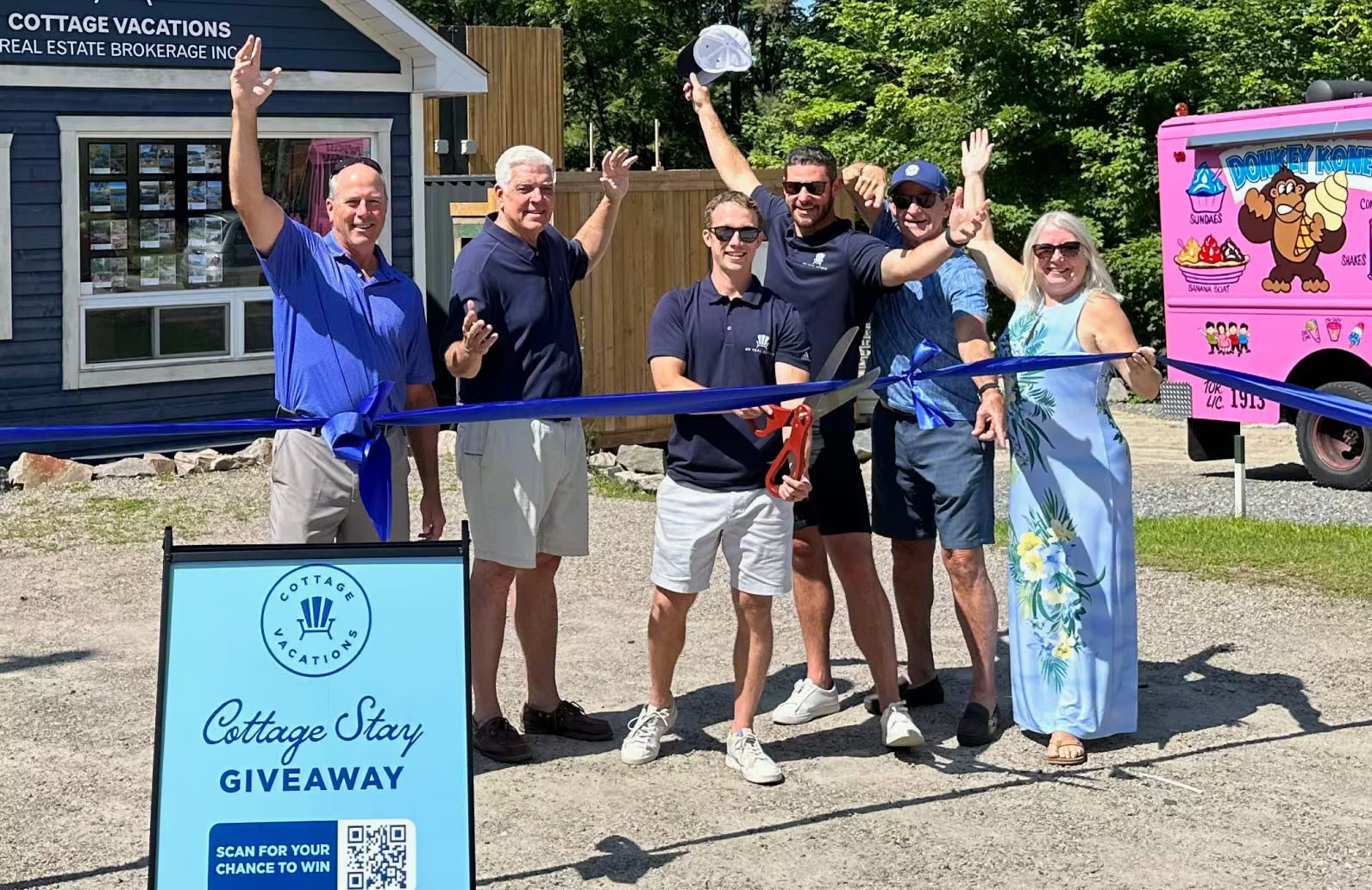
We’re cottage country enthusiasts and vacation property experts, helping renters, buyers, and sellers reach their goals for more than 20 years.