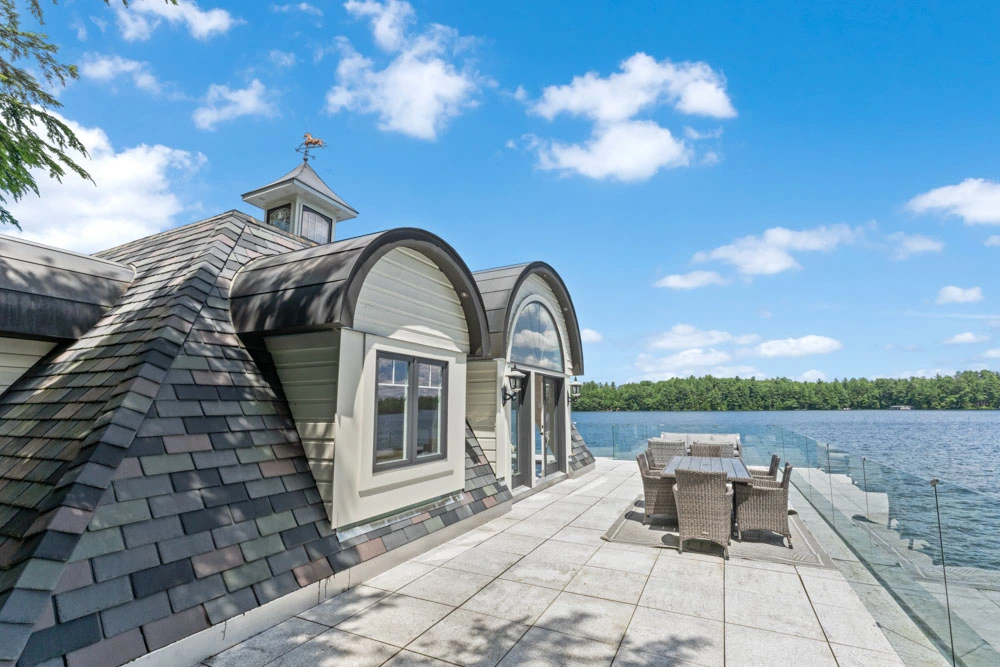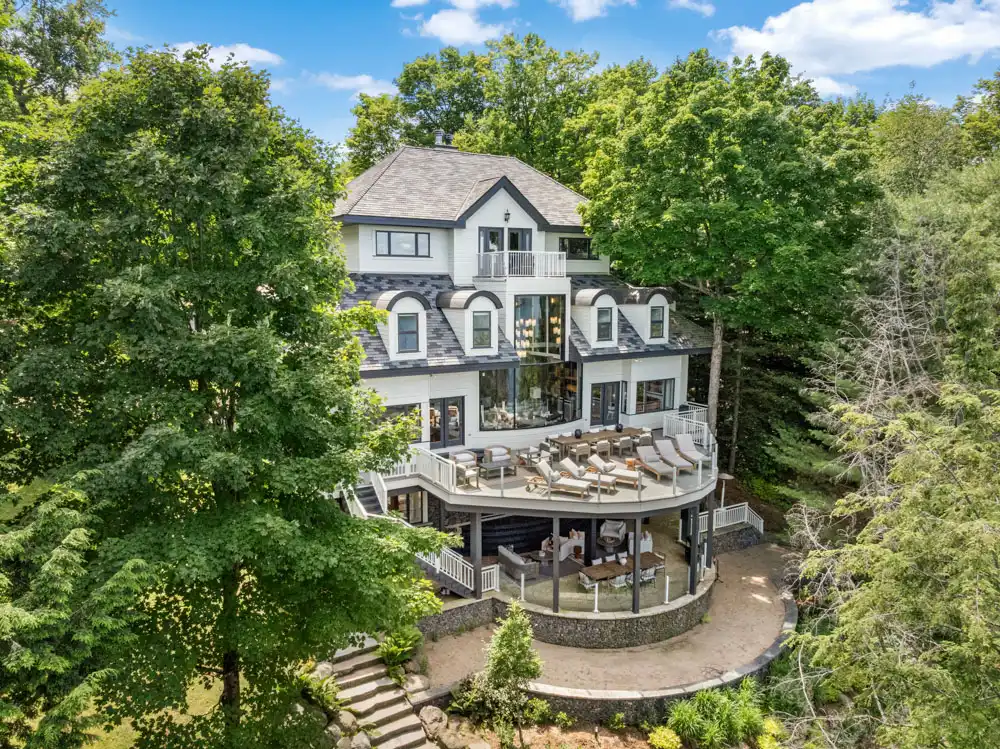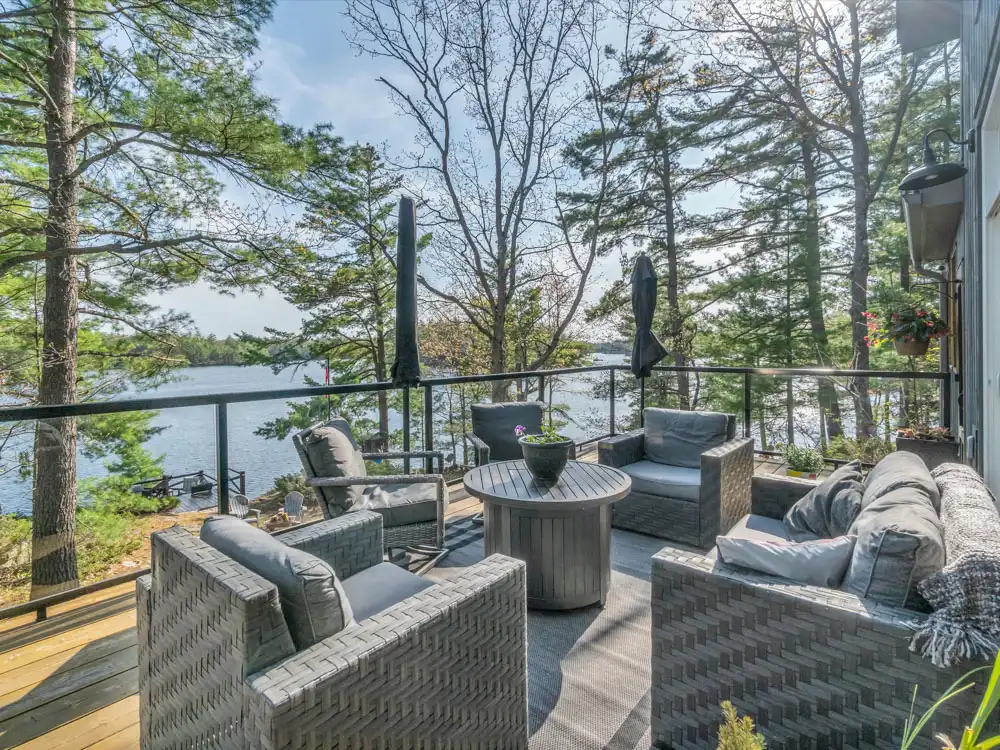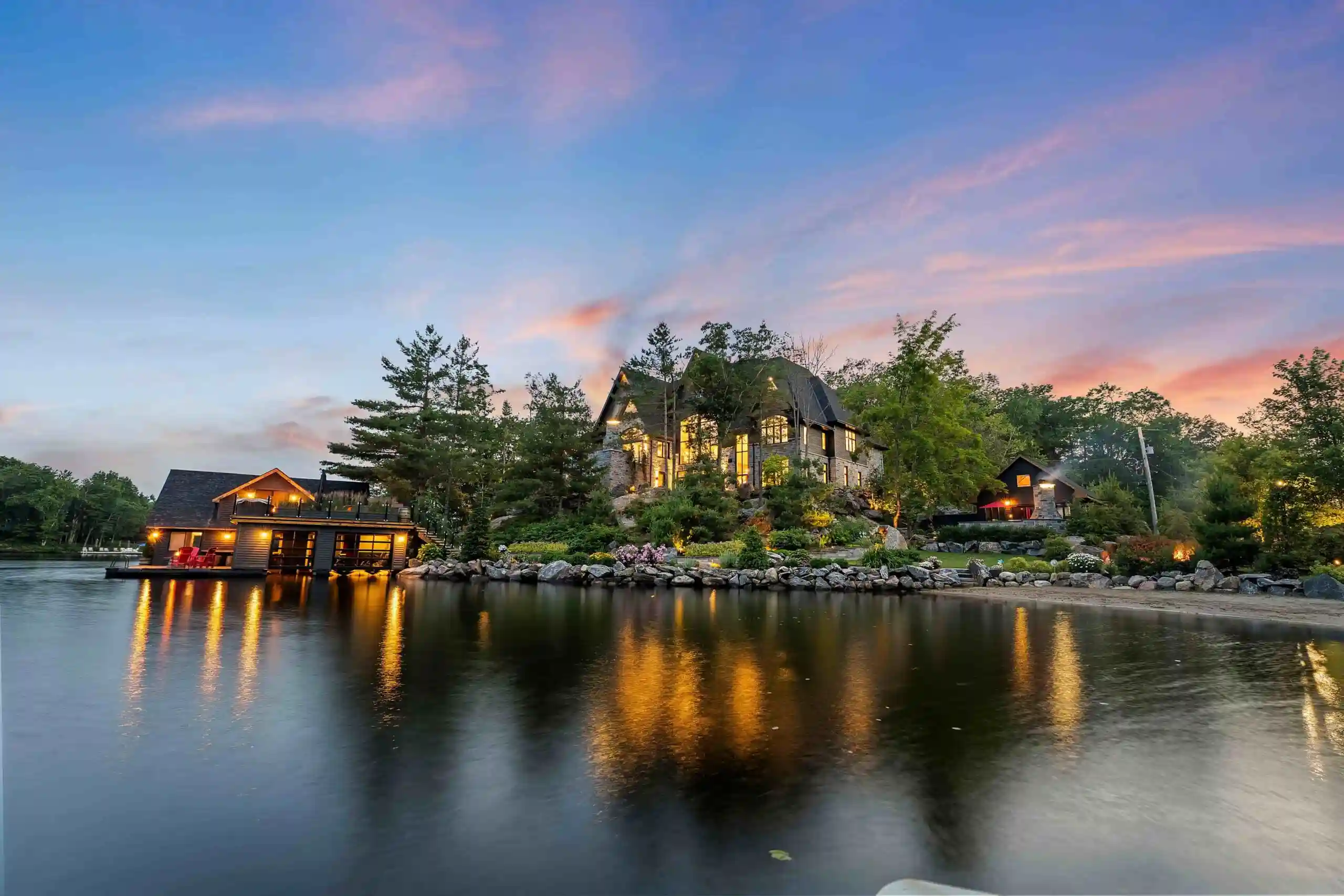
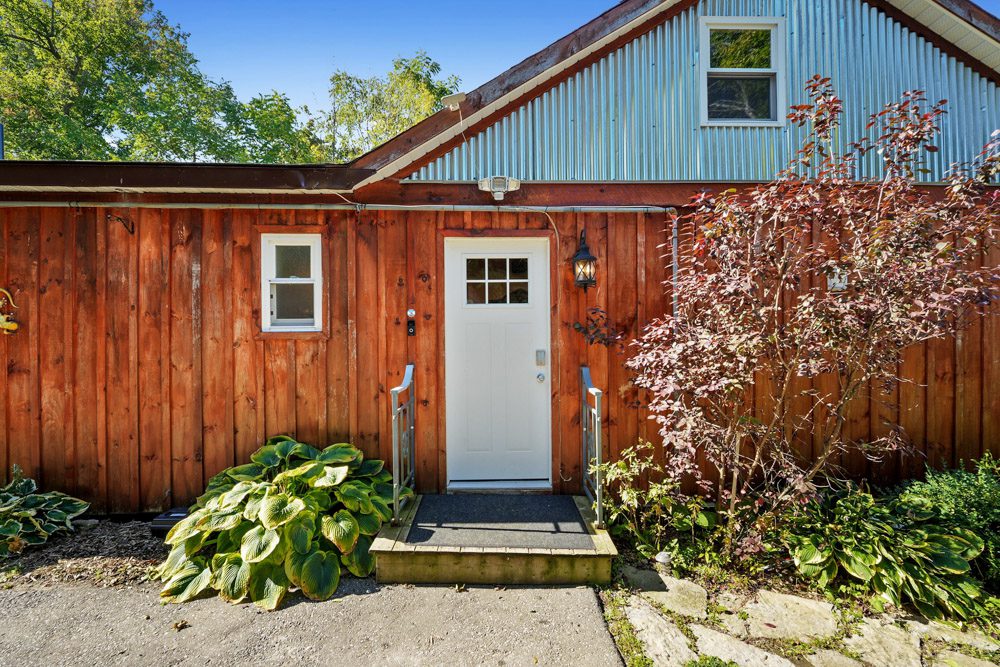
Buying a cottage in Muskoka is one of the most rewarding property decisions you can make, but it comes with unique legal, financial, and environmental considerations that differ significantly from urban home purchases. This guide covers the key steps, costs, and due diligence factors every buyer should understand before making an offer. Working with an experienced real estate advisor who knows the Muskoka market is the single most important advantage you can have.
Why Is Muskoka One of Canada’s Most Sought-After Cottage Markets?
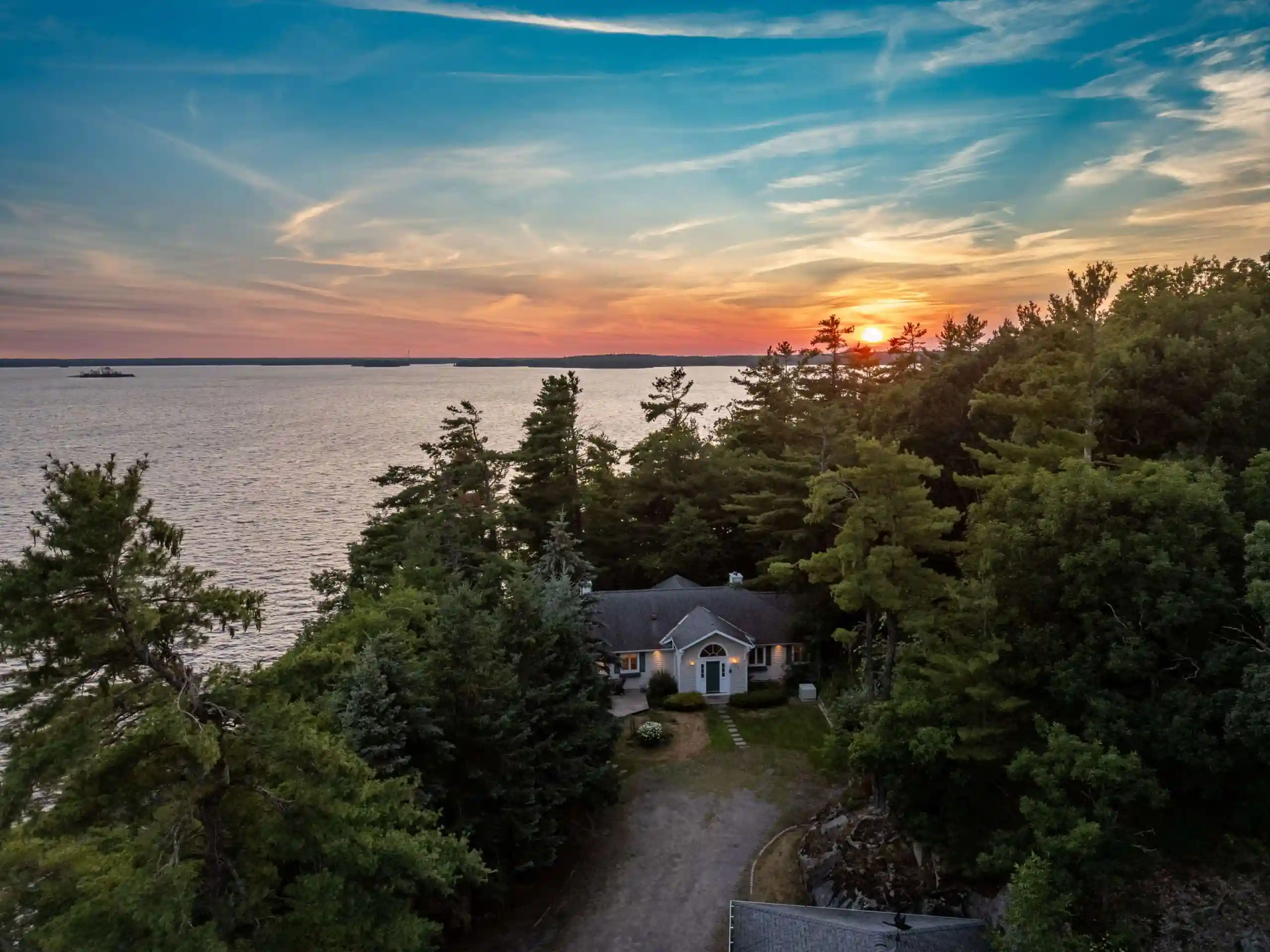
Few destinations in Canada carry the same sense of place as Muskoka. Stretching across Muskoka District in Central Ontario, this region is home to more than 1,600 lakes, granite shorelines, and some of the most coveted waterfront real estate in the country. If you have been researching buying a cottage in Ontario, Muskoka consistently delivers a combination of natural beauty, accessibility from Toronto, and strong long-term property value.
What Are the Waterfront Property Classifications in Muskoka?
Not all Muskoka cottages are equal under Ontario property law. Before you make an offer, it is critical to understand the classification of the waterfront parcel you are considering.
- Riparian rights: Owning waterfront property in Ontario typically includes riparian rights, meaning you own the land to the water’s edge and hold rights to reasonable use of the water itself.
- Crown land frontage: Some properties access the water via leased Crown land rather than owned shoreline. This affects what you can build, dock, and modify.
- Road access and seasonal restrictions: Many Muskoka properties sit on year-round municipal roads. Others are accessible only via private or unassumed roads maintained by cottage associations. Road status directly affects financing, insurance, and resale value.
- Zoning and setback rules: The District Municipality of Muskoka and its six constituent municipalities each have their own official plans governing shoreline setbacks, permitted uses, and development density.
What Does It Actually Cost to Buy a Cottage in Muskoka?
Buyers who approach cottage purchases with a residential home buyer’s mindset frequently underestimate the total cost of ownership. The purchase price is only one part of the picture.
Upfront Costs to Budget For
- Land Transfer Tax: Ontario’s LTT applies to all property purchases. Muskoka properties are outside Toronto, so the municipal LTT does not apply, but provincial LTT is a significant line item on any purchase above $500,000.
- Cottage inspection costs: A proper inspection for a waterfront property should include a home inspector, a septic system inspection, a well water quality test, and potentially a dock and boathouse structural assessment. Budget $1,500 to $3,000 or more for thorough coverage.
- Legal fees and title insurance: Waterfront transactions routinely involve additional title search complexity. A real estate lawyer experienced in cottage purchases is not optional.
- Environmental assessments: If the property has a fuel storage tank, older heating systems, or evidence of past shoreline alteration, an environmental review may be warranted before closing.
Ongoing Ownership Costs
- Property taxes: Waterfront properties in Muskoka are assessed at market value by MPAC. Annual property taxes on a $1.5M waterfront property can run $8,000 to $15,000 or more depending on location and structure.
- Maintenance and winterization: Cottages require seasonal preparation. Knowing
- Insurance: Cottage insurance in Ontario is underwritten differently than standard home insurance. Vacancy clauses, flood considerations, and proximity to water all affect your premiums and coverage terms.
What Due Diligence Do You Need Before Buying a Muskoka Waterfront Property?
The due diligence phase for buying a cottage in Muskoka is more extensive than what most buyers experience in a standard residential transaction. The following areas each require specific attention.
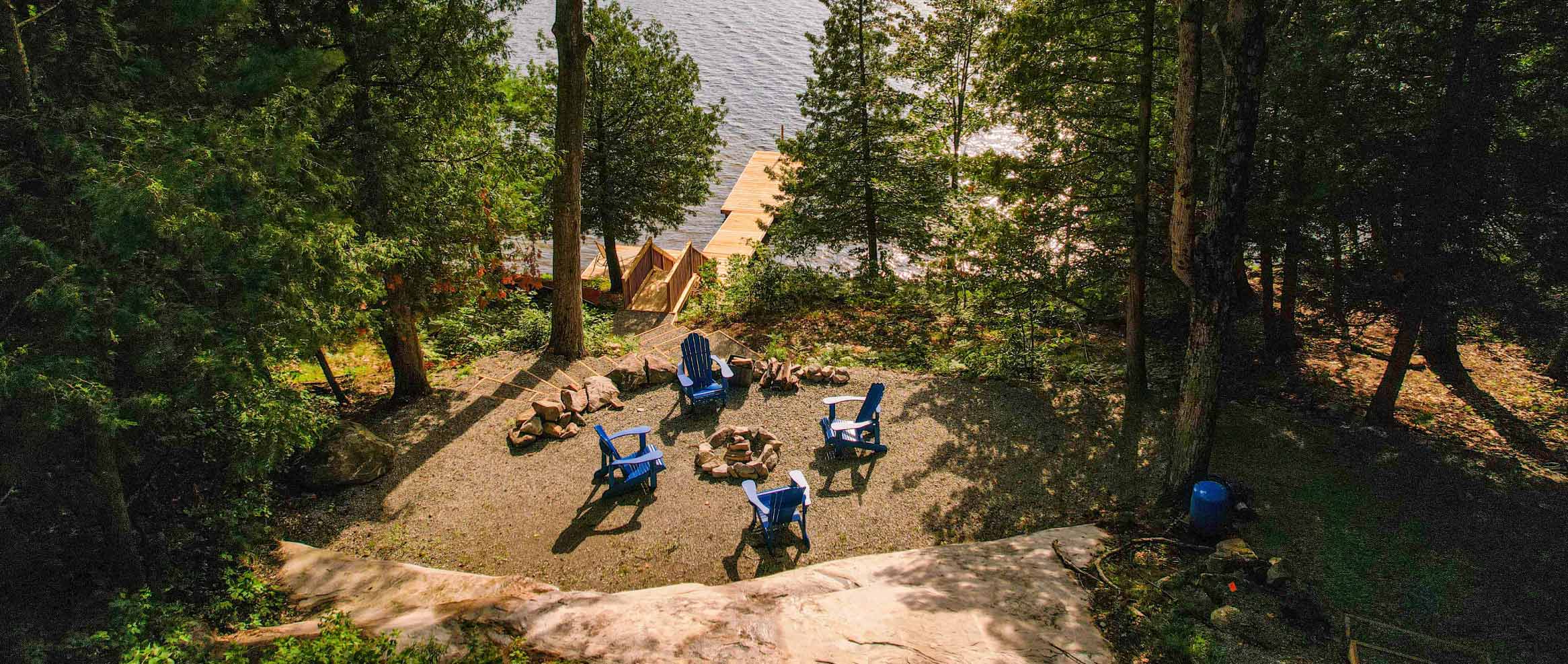
- Shoreline and Dock Permits: Any existing dock or boathouse on the property should have the appropriate permits from the relevant municipality and the Department of Fisheries and Oceans Canada. Unpermitted structures can expose buyers to removal orders and fines after closing. Ask for documentation on all water-related structures as part of your purchase conditions.
- Septic System Condition and Compliance: The majority of Muskoka cottages rely on private septic systems rather than municipal sewer infrastructure. A failed or non-compliant septic system can cost $25,000 to $50,000 or more to replace, and in some cases replacement sites are restricted by shoreline setback regulations. Always commission an independent septic inspection.
- Well Water Quality Testing: Private well water should be tested for bacteria, nitrates, and other contaminants before you waive conditions. The Ontario Drinking Water Advisory Committee recommends testing at a minimum for coliform bacteria, E. coli, and nitrates.
- Title Search and Easements: Waterfront properties frequently carry easements for hydro lines, right-of-way access for neighbouring properties, or historical agreements with previous owners. A thorough title search conducted by a qualified real estate lawyer will identify encumbrances that could limit how you use the property.
How Do You Finance a Cottage in Muskoka?
Cottage financing in Ontario follows different rules than primary residence mortgages. Understanding the tax implications of buying a second home in Canada is equally important before you commit to a purchase structure.
- Year-round vs. seasonal designation: A four-season property with year-round road access typically qualifies for conventional mortgage financing. Seasonal or remote properties may require a larger down payment or specialty lenders.
- Down payment requirements: Most lenders require a minimum 20% down payment for recreational properties. Properties with limited access or unconventional construction may require 25% to 35%.
- Insured mortgages:CMHC mortgage insurance is not available for recreational or investment properties, which means buyers must qualify under conventional financing terms.
- Vacation rental income: If you intend to rent your Muskoka cottage, be aware of short-term rental laws in Ontario. STR bylaws vary significantly by municipality across Muskoka, covering licensing, zoning, and permitted rental activity in Gravenhurst, Huntsville, and Dysart, among others. Some lenders will not count rental income in their qualification calculations, and zoning may restrict short-term rental activity. Our guide on.
CV Real Estate is the only brokerage in cottage country that also operates a short-term rental management company. That means you get access to real booking data, actual occupancy rates, and current STR bylaw knowledge by municipality, not estimates. If you are weighing a Muskoka purchase as an income property, our buying call is the right place to start.
How Does CV Real Estate Support Muskoka Cottage Buyers?
Buying a cottage in Muskoka is a significant personal and financial decision. It benefits from guidance that goes beyond standard real estate practice. CV Real Estate provides buyers with access to experienced advisors who understand Muskoka’s distinct property landscape, from lake-specific market values to the regulatory considerations that apply to each municipality in the region.
Making the Most of Your Muskoka Cottage Purchase
Once you have completed your due diligence, secured financing, and closed the transaction, a few additional considerations will help you protect and enjoy your investment.
- Register with your local municipality: Some Muskoka municipalities require owners of short-term rental properties to register and obtain a permit. Confirm local requirements before renting.
- Join your lake association: Most Muskoka lakes have an active lake association that monitors water quality, advocates for shoreline protection, and maintains community awareness of environmental issues.
- Understand your insurance policy in detail: Review your policy annually, especially after any improvements to docks, boathouses, or the main structure.
- Plan for succession: If the cottage is intended as a family legacy property, early estate planning can significantly reduce future tax exposure.
For authoritative guidance on Ontario cottage country zoning and environmental regulations, the District Municipality of Muskoka provides detailed official plan documentation for each area municipality, and the Ontario Ministry of Natural Resources and Forestry governs shoreline and natural resource considerations that affect docks, boathouses, and waterfront alterations.
Your Next Step in Muskoka Begins Here
Buying a cottage in Muskoka is one of the most complex and rewarding property decisions you can make. Whether you are searching for a personal retreat or evaluating a waterfront property for rental income, the CV Real Estate team brings on-the-ground Muskoka expertise, real rental data, and a vetted network of lawyers, inspectors, and mortgage brokers who specialize in cottage country transactions. Book a buying call with our team today and get the guidance your purchase deserves.
Frequently Asked Questions
1. What is the average price of a cottage in Muskoka?
Muskoka cottage prices vary widely based on lake, water frontage, lot size, and year-round accessibility. Entry-level properties on smaller lakes can start in the mid-hundreds of thousands, while premium waterfront cottages on Lake Muskoka, Lake Rosseau, or Lake Joseph regularly reach into the millions. Browse our featured listings to explore current properties available across cottage country and get a sense of pricing by lake and property type.
2. Can I get a mortgage on a seasonal Muskoka cottage?
Yes, but the terms differ from primary residence financing. Seasonal or remote properties generally require a 25% to 35% down payment and may need to be financed through specialty lenders. Year-round properties with municipal road access are more straightforward to finance through major Canadian banks. If you are weighing your options, book a buying call with our team to discuss financing considerations specific to your target property type.
3. What inspections should I commission before buying a Muskoka cottage?
A comprehensive inspection for a Muskoka waterfront property should include a general home inspection, a septic system assessment by a qualified inspector, well water testing, and a review of all docks, boathouses, and water structures. Buyers should also request a review of all permits and approvals associated with the property. Our income property experts can connect you with vetted inspectors experienced in waterfront and rural property assessments.
4. Are there restrictions on building a new dock or boathouse in Muskoka?
Yes. Dock and boathouse construction in Ontario is regulated by the relevant municipality, the Ministry of Natural Resources and Forestry, and in some cases the Department of Fisheries and Oceans Canada. Permits are required for most structures, and size, placement, and materials are subject to restrictions that vary by lake and municipality. If you are evaluating a specific property, sign up for exclusive listing access to receive properties pre-screened by our team with existing permits and approvals already noted.
5. What are riparian rights, and do they apply to my cottage purchase?
Riparian rights are legal entitlements that allow landowners whose property borders a body of water to make reasonable use of that water. In Ontario, owning waterfront property typically grants riparian rights. However, some Muskoka properties access the water through leased Crown land, which creates a different set of rights and restrictions. Your real estate lawyer will identify this distinction during title review. For buyers weighing how property rights affect rental potential, our Try Before You Buy program offers a practical way to evaluate a property before committing.
6. How does CV Real Estate help buyers purchasing a cottage in Muskoka?
CV Real Estate is the only brokerage in cottage country that also operates a short-term rental management company. That means buyers get access to real booking data, actual occupancy rates, and up-to-date STR bylaw knowledge by municipality, not estimates. The team provides access to off-market listings, referrals to vetted lawyers, inspectors, and mortgage brokers experienced in waterfront properties, and post-purchase rental management support for buyers looking to generate income from their purchase. To learn more about whether selling your current property makes sense before buying, visit our Should I Sell or Should I Rent.
Key Takeaways
- Buying a cottage in Muskoka requires due diligence that goes well beyond a standard home purchase, including septic, well, shoreline, and title reviews.
- Waterfront property classifications, zoning rules, and municipal differences across Muskoka’s area municipalities all affect what you can build, use, and modify on the property.
- Cottage financing is governed by different rules than primary residence mortgages, with higher down payment requirements and eligibility restrictions.
- STR bylaw rules vary significantly by Muskoka municipality, making local expertise essential before committing to a vacation rental strategy.
- The total cost of ownership includes property taxes, maintenance, insurance, and potential capital gains planning, all of which benefit from early consideration.
- Working with an experienced real estate advisor who knows the Muskoka market is the most reliable way to approach this type of purchase with confidence.
Meet The Team
We’re cottage country enthusiasts and vacation property experts, helping renters, buyers, and sellers reach their goals for more than 20 years.