What Every First-Time Cottage Buyer in Ontario Should Know Before Searching
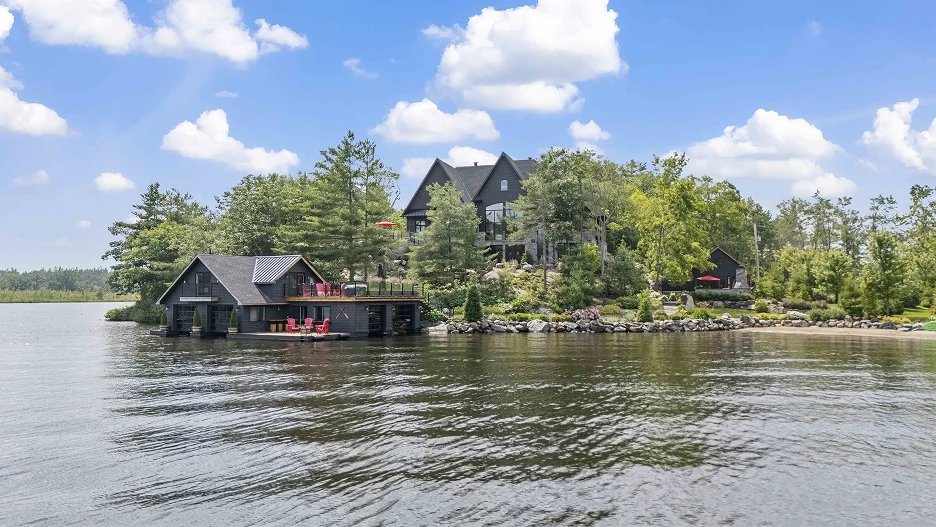
Ontario cottage country stretches from Muskoka and the Kawarthas to the Haliburton Highlands, Prince Edward County, and beyond. Each region carries its own character, pricing dynamics, and regulatory environment. As a first-time cottage buyer, understanding the landscape before you begin viewing properties is one of the most important steps you can take.
The Ontario cottage market has matured significantly over the past decade. Increased demand from Toronto-area buyers, a limited supply of quality waterfront properties, and evolving short-term rental regulations have created a market that rewards preparation. A buyer who walks into a cottage purchase without a clear understanding of due diligence requirements, financing constraints, and property classifications risks costly surprises after closing.
Before you start browsing listings, read our Ontario cottage guide, a practical primer that pairs directly with this guide..]
CV Real Estate works closely with first-time cottage buyers to build the foundation of knowledge they need before a single viewing takes place. Reach out to arrange a buyer consultation and learn how we structure advisory engagements for Ontario recreational property.
Setting Your Budget as a First-Time Cottage Buyer in Ontario
Budget planning for a first cottage purchase requires more than identifying a maximum purchase price. The all-in cost of owning a recreational property in Ontario encompasses several categories that many first-time buyers do not anticipate.
Purchase Costs
Ontario Land Transfer Tax applies to all property transfers. Unlike a primary residence purchase, first-time cottage buyers do not qualify for the first-time homebuyer Land Transfer Tax rebate. That program applies to principal residences only.
- Legal fees for a waterfront transaction are typically higher than a standard residential purchase due to additional title search complexity and the need to review permits, easements, and shoreline documentation.
- Inspection costs should include a building inspection, septic assessment, well water testing, and a structural review of any docks or boathouses.
- Survey costs may apply if the property boundaries are not clearly documented, which is common with older waterfront parcels.
Ongoing Ownership Costs
Property taxes for Ontario recreational properties are assessed annually by MPAC and can be substantial on higher-value waterfront parcels.
- Maintenance costs for a cottage typically run higher than for a comparable urban home due to seasonal systems, dock upkeep, road maintenance contributions, and weather exposure.
- Insurance for a recreational property in Ontario is priced differently than home insurance. Vacancy clauses, seasonal occupancy designations, and proximity to water all affect coverage and premiums.
The Financial Consumer Agency of Canada offers practical resources on budgeting for major property purchases that first-time buyers may find useful when planning their financial readiness.
How Recreational Property Financing Differs for First-Time Cottage Buyers
One of the most common surprises for first-time cottage buyer Ontario is learning that mortgage rules for recreational properties are stricter than for principal residences.
- CMHC mortgage insurance is not available for recreational or investment properties. You must qualify under conventional financing terms, which typically requires at least 20% down.
- Properties classified as seasonal or with limited road access may require a 25-35% down payment and could only be financeable through specialty lenders.
- Your primary residence mortgage (if you have one) will factor into your debt service calculations when qualifying for a cottage mortgage.
- Short-term rental income is not universally counted toward mortgage qualification by all lenders, and some municipalities have restricted short-term rentals entirely.
- It is worth speaking with a mortgage broker who has experience in recreational property financing before you begin your active search. Knowing your true purchasing power shapes every decision you make from that point forward.
Our team at CV Real Estate can connect you with financing professionals who specialize in Ontario cottage property as part of our buyer advisory process.
Choosing the Right Region as a First-Time Cottage Buyer
Ontario offers a remarkable range of cottage destinations, each with distinct market dynamics, price points, and lifestyle considerations. As a first-time cottage buyer, identifying the right region for your priorities is as important as finding the right property.
Muskoka
Muskoka is Ontario’s most established and prestigious cottage market. Lakes like Muskoka, Rosseau, and Joseph command significant premiums. The region offers strong long-term property value, excellent boating, and year-round accessibility in many areas. First-time buyers with budget constraints may find better value on interior Muskoka lakes or properties with older structures that offer renovation potential.
Haliburton Highlands
Haliburton offers a quieter, more affordable alternative to Muskoka. The region features hundreds of lakes within a two-to-three-hour drive from Toronto and often delivers better value per frontage foot than comparable Muskoka properties.
Kawarthas
The Kawarthas, including Kawartha Lakes, Chemong, and Stony Lake, are popular with buyers who want a cottage within two hours of Toronto. The Trent-Severn Waterway connects dozens of lakes and adds significant boating appeal.
Prince Edward County
PEC is increasingly popular with buyers who value wine tourism, arts culture, and lakefront access on Lake Ontario. Properties here differ in character from the classic Northern Ontario cottage but offer genuine lifestyle appeal for the right buyer.
Not sure which region fits your goals? Our guide to best cottage regions breaks down each market with a practical buyer perspective.
Explore our featured listings to see how CV Real Estate approaches property representation across Ontario’s key recreational markets.
What to Look For When Viewing Cottages as a First-Time Buyer
Property viewings for a first-time cottage buyer Ontario should cover significantly more ground than a typical home showing. The physical condition and legal status of the property require careful attention before you form an emotional attachment.
Water access and frontage: The quality of the shoreline, the slope to the water, and the condition of existing dock structures all affect both enjoyment and future improvement costs.
Septic system age and condition: Ask directly for the age of the system, the date of the last pumping, and whether it has been inspected recently. An aging or non-compliant system is a significant expense.
Well and water source: Properties on private wells require active management. Ask about the depth of the well, recent water quality results, and the condition of the pressure system.
Road access designation: Confirm whether the property is accessible year-round and whether the road is municipally or privately maintained through a cottage road association.
Structural integrity: Construction with wood frame, post and beam, or log elements requires specific inspection knowledge. Always engage an inspector with recreational property experience.
Understanding what a cottage is from a property classification standpoint can also affect your financing options and tax treatment, worth reviewing before your first viewing.
The Ontario Real Estate Association provides educational resources for Ontario property buyers, including guidance on standard purchase agreement conditions and property disclosures.
Working With an Advisor as a First-Time Cottage Buyer
The value of working with a real estate advisor who specializes in Ontario recreational property is difficult to overstate for a first-time cottage buyer. This is not a transaction that benefits from a generalist approach.
CV Real Estate brings personalized, experienced guidance to every cottage buyer engagement. Our advisors understand the regional differences between Ontario’s cottage markets, the due diligence requirements that waterfront transactions demand, and the patience that first-time buyers need to make a purchase they will feel confident about for years to come.
We build relationships before we close transactions. That means understanding your priorities, walking you through options that genuinely fit your budget and lifestyle goals, and providing honest counsel, even when that means recommending you step back from a property that does not meet the standard you deserve.
If you’re still in the early research phase, consider arranging a short-term stay in a region you’re interested in before committing. It is a practical way to pressure-test a location and lifestyle fit before you begin active buying.
Connect with CV Real Estate to arrange an initial consultation with an Ontario cottage property advisor.
Common Mistakes First-Time Cottage Buyers Make in Ontario
Understanding where first-time buyers commonly go wrong is one of the most practical ways to protect your investment from the start.
- Waiving conditions under competitive pressure: In a hot market, some buyers waive inspection and financing conditions to secure a property. On a cottage purchase, this is a significant risk given the number of latent defects that only inspections uncover.
- Underestimating ongoing costs: Many first-time buyers focus entirely on the purchase price and miss the full weight of annual carrying costs, maintenance, and potential capital improvements.
- Ignoring zoning restrictions: Not every Muskoka or Haliburton property allows short-term rentals, new structures, or significant alterations. Zoning should be reviewed before the offer is made.
- Choosing emotional over practical fit: A cottage that looks beautiful in August can present significant challenges in shoulder season if road access is limited or maintenance demands are high.
- Skipping the title review: Waterfront titles frequently carry easements, rights of way, or access agreements that significantly affect how you use the property. A thorough title search is not optional.
- Overlooking capital gains implications: Unlike a principal residence, a cottage is subject to capital gains tax when sold.
For authoritative guidance on recreational property regulation in Ontario, the Ontario Land Registry Office provides access to title and property records relevant to your purchase.
Begin Your Cottage Search With Confidence
The right cottage in Ontario is waiting. With solid preparation, the right guidance, and a specialist advisor by your side, becoming a first-time cottage buyer in Ontario does not have to be overwhelming. CV Real Estate is here to support you from your first question through to closing day, reach out directly to start a conversation with a cottage property specialist.
For ongoing market insights and buyer guidance, the CV Real Estate blog publishes regular coverage of Ontario’s recreational real estate market.
Frequently Asked Questions
1. Can a first-time homebuyer apply the Land Transfer Tax rebate to a cottage purchase?
No. Ontario’s first-time homebuyer Land Transfer Tax rebate applies specifically to a principal residence. A recreational property purchase does not qualify, even if it is your first property transaction. Review the second home tax implications before structuring your purchase to avoid unexpected costs at closing.
2. How much do I need for a down payment on an Ontario cottage?
Most lenders require a minimum of 20% for a recreational property. Properties classified as seasonal or with limited road access may require 25% to 35% depending on the lender and property type. For a full breakdown of cottage financing rules in Ontario, our companion guide covers lender requirements and specialty financing options in detail.
3. What inspections should a first-time cottage buyer commission?
A thorough cottage inspection includes a general building inspection, a septic system assessment, well water quality testing, and a structural review of any docks or water-adjacent structures. Buyers should budget $1,500 to $3,000 or more for a complete assessment. Understanding waterfront due diligence requirements before your inspection helps you ask the right questions on site.
4. Can I rent out my Ontario cottage as a short-term rental?
This depends on the zoning designation of the property and the regulations of the local municipality. Some Ontario municipalities have introduced licensing requirements or restrictions on short-term rentals. Review short-term rental rules and local bylaws before relying on rental income as part of your financial planning.
5. How long does it take to close on a cottage in Ontario?
A typical cottage purchase in Ontario takes 30 to 90 days from accepted offer to closing, depending on the complexity of the transaction, the time required for due diligence, and financing arrangements. Transactions with well, septic, and permit reviews tend to require a longer condition period. Staying current on Ontario lending conditions helps you plan your financing timeline accurately..
6. Is it worth working with a real estate agent who specializes in cottage properties?
Yes. Recreational property transactions involve specific knowledge around waterfront law, shoreline regulations, septic systems, and local market pricing that generalist agents may not possess. A specialist advisor reduces your risk and increases the likelihood of a smooth, well-informed transaction. Book a buyer consultation to discuss your search with a CV Real Estate cottage property advisor.
Key Takeaways
- Recreational property financing in Ontario follows stricter rules than principal residence mortgages, including a minimum 20% down payment and no CMHC insurance eligibility.
- First-time cottage buyers should budget for inspection costs, legal fees, Land Transfer Tax, and ongoing maintenance well before they begin viewing properties. The first-time homebuyer LTT rebate does not apply to recreational properties.
- Ontario’s cottage regions vary significantly in character, pricing, and regulatory requirements. Selecting the right region for your lifestyle and budget is a critical early decision.
- Waiving conditions on a cottage purchase carries substantially more risk than on a standard residential transaction due to the volume of latent defects unique to waterfront properties.
- Working with an advisor who specializes in Ontario recreational property is one of the most effective risk-mitigation strategies available to a first-time cottage buyer.
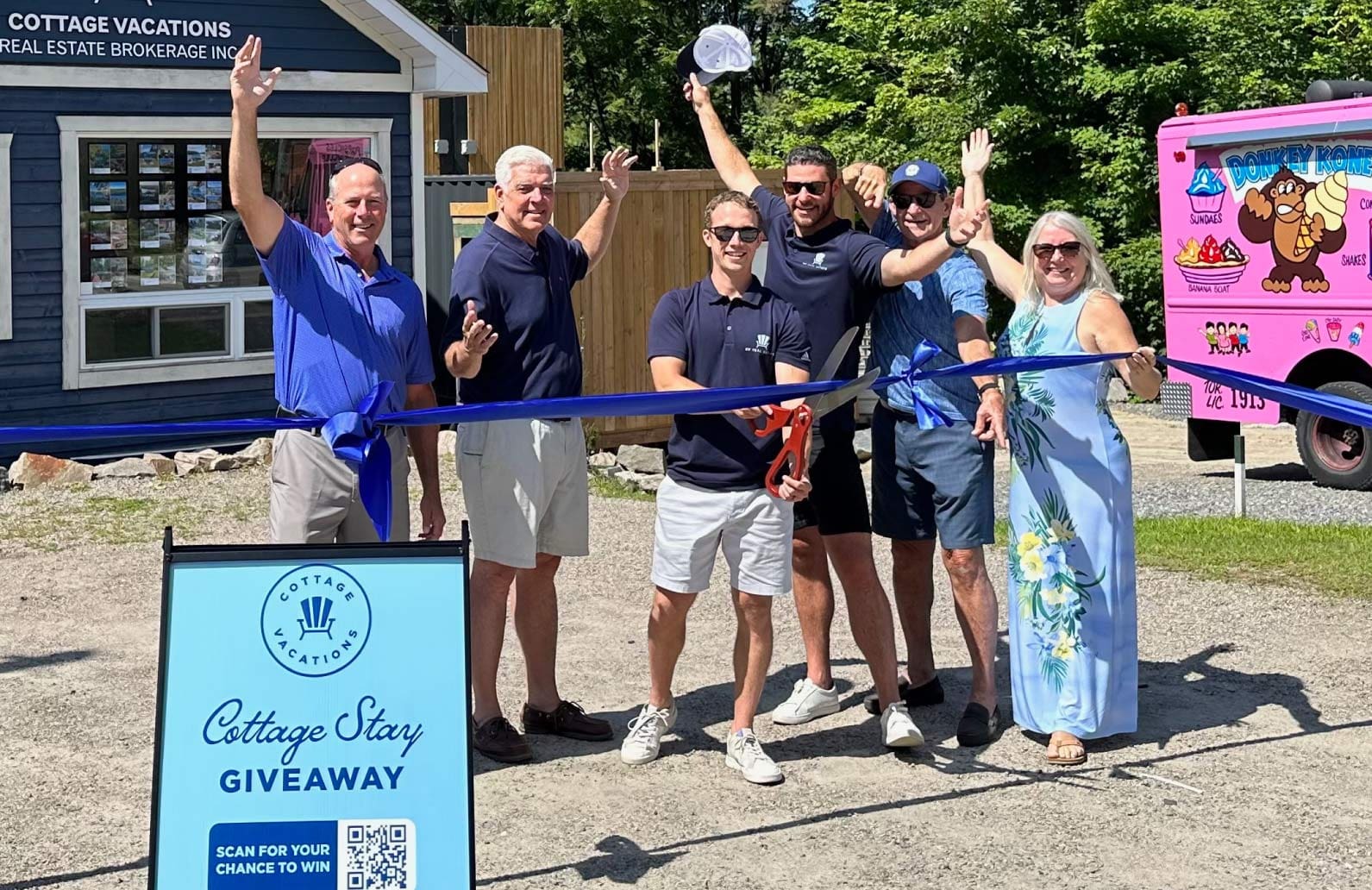
Meet The Team
We’re cottage country enthusiasts and vacation property experts, helping renters, buyers, and sellers reach their goals for more than 20 years.