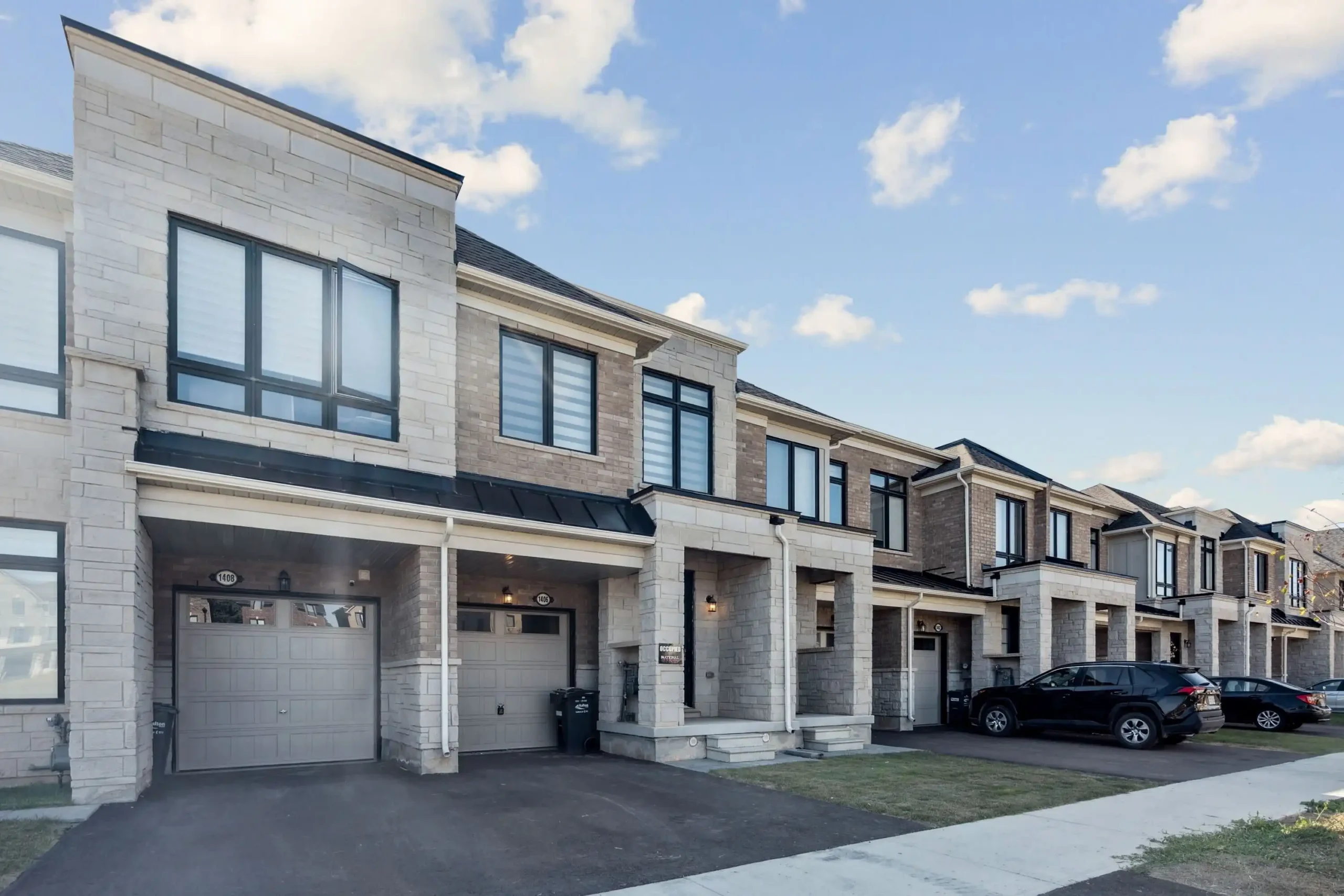
Buying a second home while renting out your first property in Canada is a viable strategy for many homeowners, but it comes with mortgage qualification requirements, tax implications, and landlord obligations that must be understood before you proceed. Only one property can be designated your principal residence for capital gains exemption purposes, and rental income from your first home must be reported to the Canada Revenue Agency. This guide explains how to approach the transition carefully.
Is It Legal to Buy a New Home and Rent Out Your Existing Property in Canada?
Yes, it is legal in Canada to buy a new home and convert your existing property into a rental. There are no laws preventing a homeowner from renting out their previous residence after purchasing a new primary home. However, the transition triggers a series of financial, tax, and legal considerations that must be handled correctly to avoid penalties or unexpected costs. The most immediate consideration is your mortgage. If your first home has an existing mortgage, the terms of that loan typically require the property to be owner-occupied. Before converting it to a rental, you may need to notify your lender and potentially renegotiate the terms of the mortgage.
How Does Mortgage Qualification Work When You Own Two Properties in Canada?
Qualifying for a second home mortgage while carrying an existing mortgage is the most common practical challenge buyers face. Canadian lenders apply the mortgage stress test to all applications, requiring borrowers to qualify at the higher of their actual contract rate plus 2 percent or 5.25 percent. When you are already carrying a mortgage on your first property, the lender will include that obligation in your total debt-service ratios, which limits how much you can borrow for the second property.
If you plan to rent out the first property, some lenders will allow a portion of the expected rental income to offset the mortgage obligation on that property in their calculation. The amount they will credit varies by lender, ranging from 50 to 100 percent of the projected rental income depending on the institution’s policies. This rental offset can meaningfully improve your qualification position, but only if you have documented evidence of the expected income, such as a signed lease or a formal rental management agreement.
CV Real Estate works with Ontario buyers navigating this transition regularly and can connect you with mortgage professionals who understand how lenders treat the rental offset income calculation. Reviewing the cottage investment considerations is useful for those making a cottage their second purchase.
What Are the Tax Implications of Converting Your Home to a Rental in Canada?
Converting your primary residence to a rental property triggers what the Canada Revenue Agency calls a “change in use.” When a property shifts from personal use to income-generating use, it is treated as if you sold the property at its fair market value on the date of conversion, even though no actual sale occurred. This deemed disposition can trigger capital gains tax on any appreciation that occurred while the property was your primary residence and then exposed to a taxable event.
The principal residence exemption protects gains on a property while it was genuinely your principal residence. For the years the property was owner-occupied and designated as your principal residence, those gains are sheltered from tax. For the years after conversion to rental use, gains that accrue will be taxable when you eventually sell. The Canada Revenue Agency publishes guidance on the change-in-use rules and how to elect to defer the deemed disposition in certain circumstances.
In Canada, you can only designate one property as your principal residence in any given calendar year. Once you move into your new home, your old home can no longer be your principal residence going forward. Because only 50 percent of capital gains are included in taxable income, the effective tax rate is lower than ordinary income, but it is still a real cost that should be factored into your decision. CV Real Estate recommends speaking with a qualified tax advisor before converting a property to rental use.
What Rental Income Obligations Apply When You Rent Out Your First Home?
All rental income earned from a Canadian property must be reported on your personal income tax return regardless of the amount. The Canada Revenue Agency treats rental income as regular income subject to your marginal tax rate. You are entitled to deduct allowable expenses from that income, including mortgage interest on the rental property, property taxes, insurance, utilities if you pay them, maintenance and repairs, property management fees, and advertising costs. You cannot deduct the principal portion of your mortgage payment, only the interest.
For Ontario property owners renting to tenants under a long-term lease, the Residential Tenancies Act, 2006 governs the landlord-tenant relationship. This includes rules around rent increases, maintenance obligations, lease termination, and tenant rights. Before placing a tenant in your former home, understanding your obligations under this legislation is essential. The Landlord and Tenant Board of Ontario administers the Residential Tenancies Act and publishes guides for new landlords.
How Does This Strategy Apply to Cottage Country Buyers?
For buyers purchasing a cottage in Ontario as their second property while renting out their city home, the strategy has a specific appeal. The city home generates rental income that can partially offset the mortgage carrying cost, while the cottage provides personal enjoyment and potential short-term rental revenue when not in use. This dual-income model is one CV Real Estate sees regularly among buyers transitioning from full-time urban living toward a cottage-anchored lifestyle.
If you are evaluating whether to sell your city home and buy a cottage, or hold both and use each for different purposes, the team at CV Real Estate can walk through the specific scenarios with you. The should I sell or rent decision framework on the site is a useful starting point for cottage owners facing this choice.
CV Real Estate connects buyers with professionals who understand the recreational property dimension of this transition, drawing on real rental performance data from Cottage Vacations to inform the financial case. More information is available through the income property resource on the site.
Making the Transition with Clarity
Buying a second home and renting out the first in Canada is a legitimate and often financially sound strategy, but it requires careful sequencing. Confirm your mortgage terms before converting the first property to rental use. Understand the tax triggered by the change in use and document the conversion date precisely. Report all rental income and deduct allowable expenses correctly. Know your obligations under the Ontario Residential Tenancies Act before you place a tenant. And if the second property is a cottage in Ontario, ensure you understand the STR rules that apply in that specific township before counting on rental income to support the purchase.
CV Real Estate works with buyers navigating this exact transition and can provide guidance on the cottage country side of the equation. Contact the team through a buying call to discuss how this strategy might work for your specific situation.
Frequently Asked Questions
1. Can I rent out my existing home when I buy a new one in Canada?
Yes, you can rent out your existing home after purchasing a new primary residence in Canada. Before doing so, notify your lender, as most mortgages include an owner-occupancy requirement that may need to be formally released. You must also report the change in use to the Canada Revenue Agency. All rental income must be reported annually. The should I sell or rent decision tool helps cottage owners think through this choice.
2. How does renting my first home affect my mortgage application for a second home?
Renting your first home can improve your qualification position for a second mortgage in Canada if you can document the expected rental income. Many lenders will offset a portion of the first home’s mortgage payment against the rental income, reducing the debt load they count against your qualification ratios. The credit they apply varies by lender, from 50 to 100 percent of projected rental income. A signed lease or property management agreement documenting rental commitments strengthens the case. CV Real Estate connects buyers with brokers experienced in this scenario, particularly for cottage investment purchases.
3. What taxes apply when I convert my home to a rental property in Canada?
When you convert your primary residence to a rental property in Canada, the Canada Revenue Agency deems a disposition at fair market value on the date of conversion. Any appreciation that has occurred is assessed as if you sold the home, even though you did not. The principal residence exemption covers the years the property was your primary residence. After conversion, gains that accumulate will be taxable upon actual sale. Consult a tax professional before converting, and review the tax implications of buying a second home in Canada for more on how the CRA treats these transitions.
4. What expenses can I deduct when renting out my home in Canada?
Allowable deductions when renting out a home in Canada include mortgage interest (not principal), property taxes, home insurance, utilities if you pay them, maintenance and repairs, property management fees, and advertising costs. Capital expenditures that extend the life of the property are deducted differently over time as capital cost allowance. The CRA provides a detailed list of allowable rental deductions in its guide for rental income. For cottage rentals specifically, the tax deductions guide outlines what cottage owners can claim.
5. Does the Residential Tenancies Act apply if I rent out my former home in Ontario?
Yes, the Ontario Residential Tenancies Act applies to most long-term residential rental arrangements in Ontario, including when a homeowner rents out their former primary residence to a tenant. The Act governs rent increases, maintenance standards, lease termination procedures, and tenant rights. Short-term rentals under 28 days are generally not covered by the Act. For context on Ontario short-term rental rules, the STR guide outlines municipal-level frameworks across cottage country.
Key Takeaways
- Buying a second home while renting out your first is legal in Canada but triggers mortgage, tax, and legal obligations that must be handled before converting the property to rental use.
- Most mortgages include an owner-occupancy requirement; notify your lender before converting a mortgaged property to rental use, as terms may need to be renegotiated.
- The Canada Revenue Agency treats the conversion from personal to rental use as a deemed disposition, which can trigger capital gains tax on any appreciation that accrued while the property was a principal residence.
- Only one property can be designated your principal residence in any given year in Canada; once you move into your new home, the former residence cannot be designated going forward.
- Rental income from a Canadian property must be reported to the CRA, but allowable expenses including mortgage interest, property taxes, and insurance can be deducted to offset that income.
- In Ontario, long-term tenancy arrangements are governed by the Residential Tenancies Act, which sets standards for rent increases, maintenance, and lease termination procedures.

Meet The Team
We’re cottage country enthusiasts and vacation property experts, helping renters, buyers, and sellers reach their goals for more than 20 years.