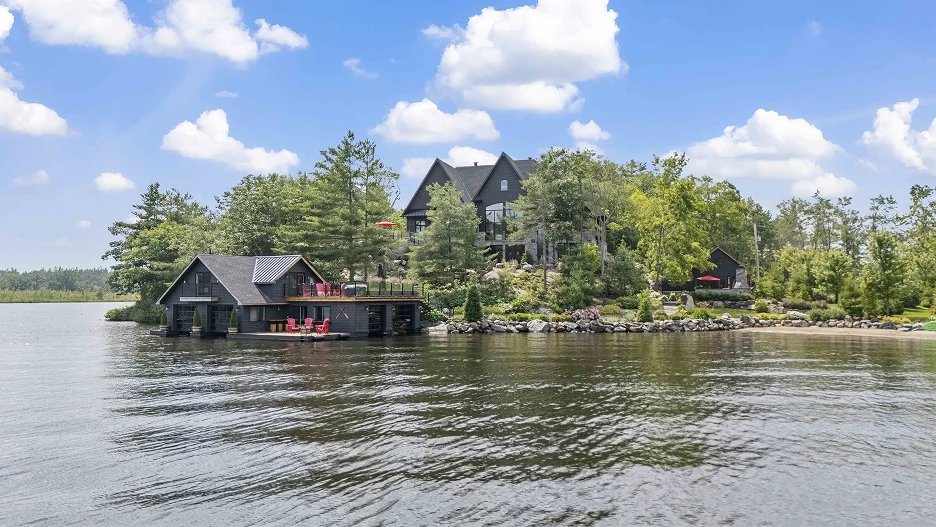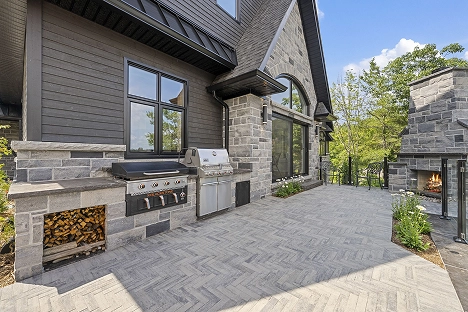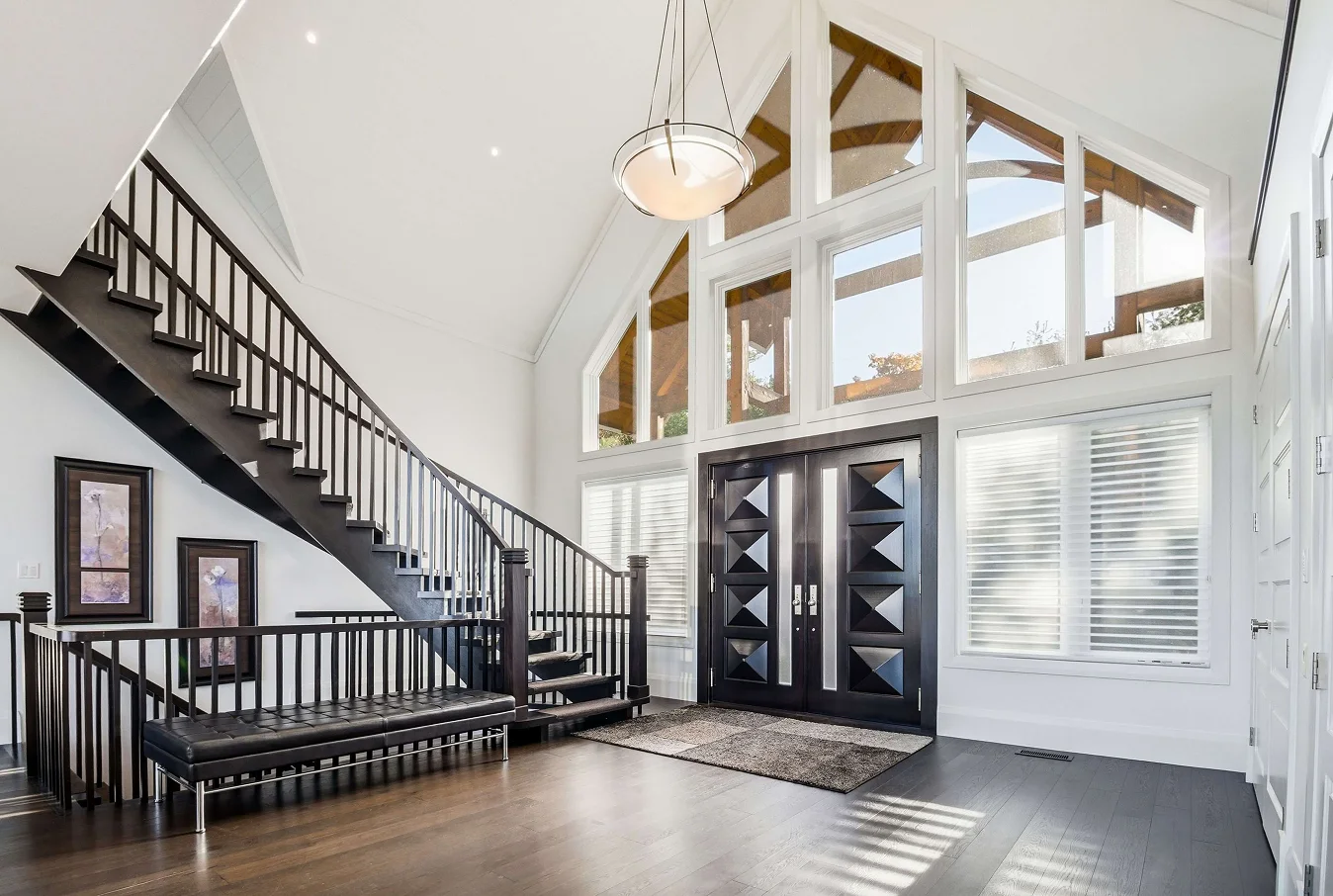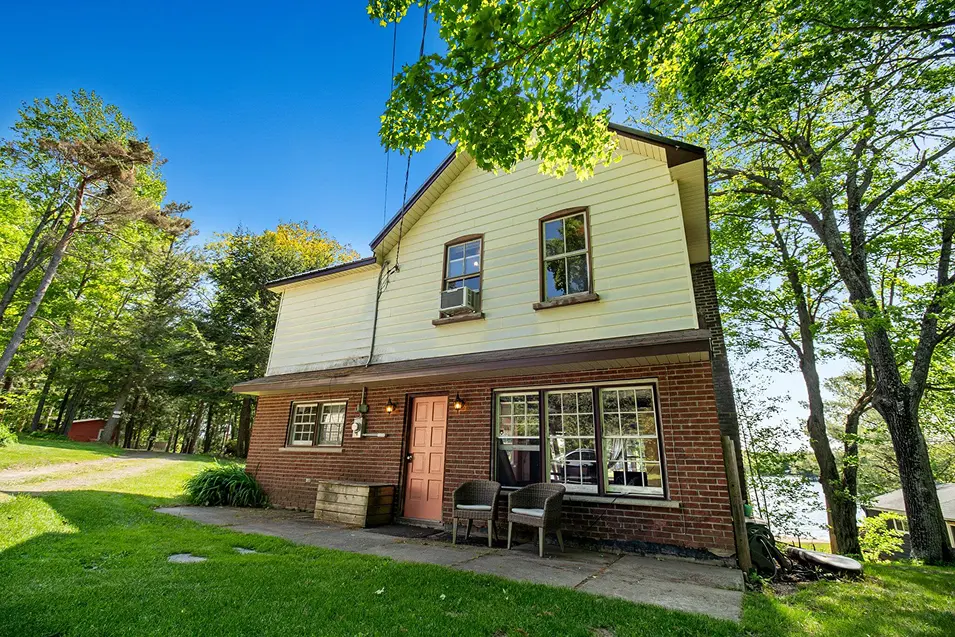
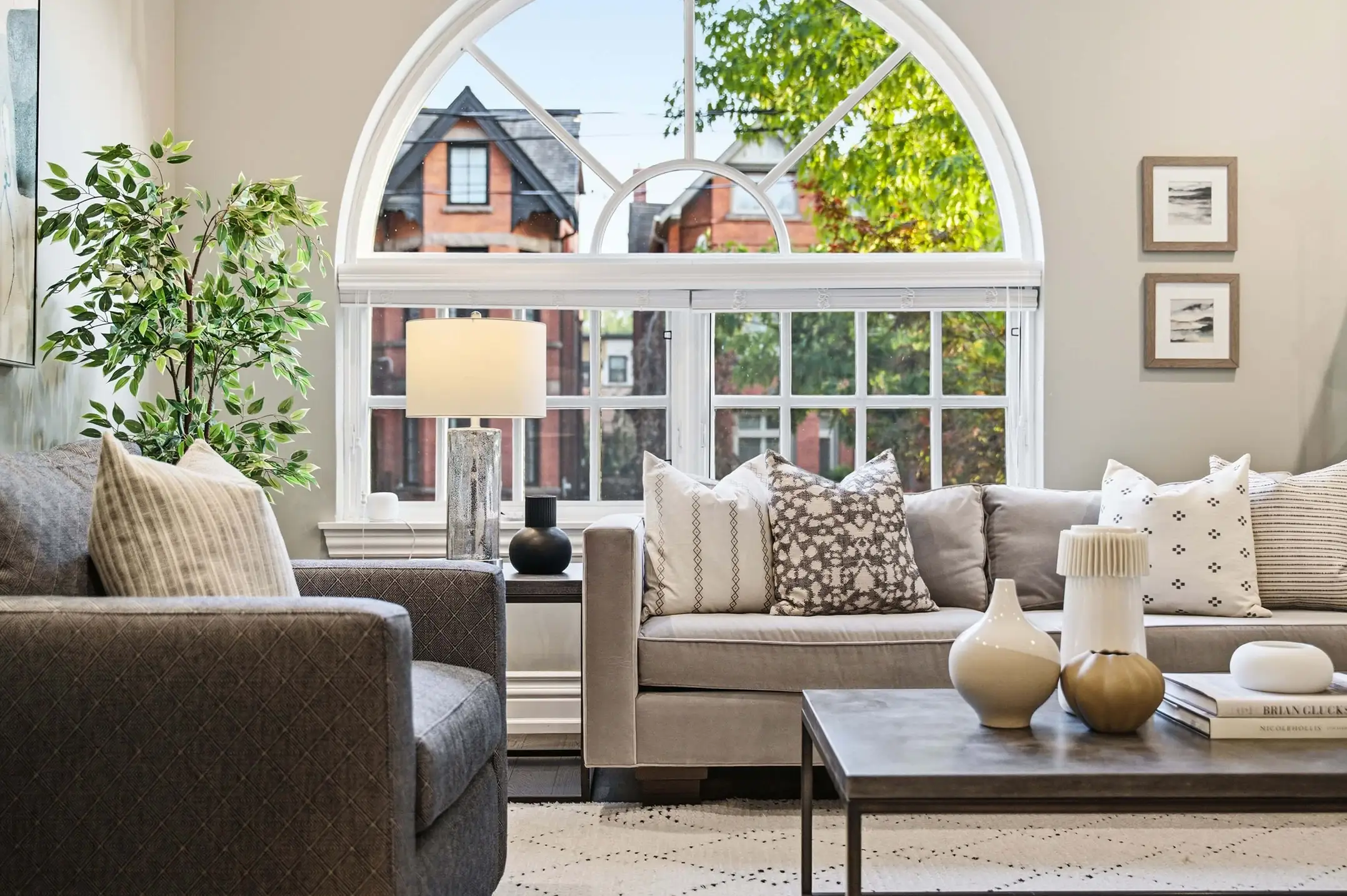
The transition from renting a cottage in Ontario to owning one is one of the most meaningful financial and lifestyle decisions a family or individual can make. It requires financial preparation that goes beyond what primary residence buyers are accustomed to, a clear understanding of recreational property financing rules, and the kind of regional knowledge that only comes from genuine engagement with cottage country before the search begins. This guide maps the journey from aspiring renter-to-owner through to a confident closing day.
Why Cottage Renters Are Well-Positioned to Become Cottage Owners
If you have been renting cottages in Ontario for several years, you have probably built more useful preparation for ownership than you realise. You have developed genuine preferences about lake character, region, access, and property type. You have experienced the operational rhythms of cottage life across different seasons. You have a realistic picture of what the drive feels like, what the weekend provisioning routine involves, and what the community around a cottage lake actually feels like when the initial novelty has settled.
That experiential foundation is exactly what distinguishes buyers who purchase with clarity from buyers who purchase on excitement alone. The renter-to-owner transition in Ontario cottage country is not primarily a financial event. It is a decision that builds on accumulated experience, and the renters who make the cleanest and most satisfying transitions are the ones who use their rental experience actively and deliberately as preparation for ownership.
CV Real Estate works with buyers who are making the transition from cottage renters to cottage owners. The process begins with a buyer consultation that builds on what you already know. Learn more on the CV Real Estate buyers page.
Using Your Rental Experience to Build a Buying Brief
Before you engage with the buying market, the most productive thing a renter-turned-buyer can do is translate their rental experience into a specific, written buying brief. A buying brief is not a wish list. It is a prioritized set of criteria that reflects genuine preferences informed by real experience.
Region and Lake
If your rental history has consistently brought you back to the same lake or region, that is meaningful data. Buyers who know which specific lake character they want and can articulate why it suits them are buyers who can evaluate properties efficiently and act decisively when the right one appears.
If your rental history has been varied and you are still uncertain about your preferred region, structured regional comparison through additional rental experience is a more productive next step than beginning an undifferentiated property search.
Property Type and Condition
Your rental experience has given you direct exposure to different cottage construction types, ages, and configurations. The properties you found most comfortable and functional, and the ones that frustrated you, are a legitimate basis for building criteria around bedroom count, structural type, insulation quality, and system reliability.
Access and Lifestyle Parameters
Renters who have discovered they prefer a quieter lake over a busy boating lake, or that year-round accessibility matters more to them than peak-summer exclusivity, or that a thirty-minute drive from the highway is their practical limit regardless of how beautiful a more remote property might be, are building the kind of honest self-knowledge that produces good purchases.
Our guide on the try before you buy cottage strategy covers how to structure a rental experience deliberately as preparation for purchase.
Financial Preparation for the Renter-to-Owner Transition
The financial requirements for purchasing a cottage in Ontario are more demanding than those for purchasing a primary residence, and they catch many first-time cottage buyers by surprise. Renters who are accustomed to paying a few thousand dollars per week for a rental experience sometimes underestimate the capital requirements of ownership considerably.
Down Payment Requirements
Recreational property mortgages in Ontario require a minimum 20% down payment. CMHC mortgage insurance is not available for cottage properties. On a $1 million cottage, the minimum down payment is $200,000. On a $1.5 million property, it is $300,000. For properties with seasonal access or non-standard construction, lenders may require 25% to 35%.
Renters who do not yet have this capital accumulated should treat the interim rental period as a savings phase with an explicit down payment target rather than simply as a lifestyle expense.
Closing Costs
In addition to the down payment, buyers should budget for Ontario Land Transfer Tax, legal fees, inspection costs, title insurance, and appraisal fees. On a $1 million purchase, total closing costs beyond the down payment typically run $20,000 to $30,000.
Ongoing Ownership Costs
Annual property taxes, cottage insurance, maintenance reserves, and utility costs represent a materially different financial commitment from the weekly rental cost most buyers are accustomed to. Buyers should construct a realistic annual ownership cost model for their target property type before setting their purchase price ceiling.
Our detailed guide to the cost of buying a cottage in Muskoka provides a full breakdown of both upfront and ongoing costs for Ontario cottage buyers.
Getting Pre-Approved for a Cottage Mortgage
Mortgage pre-approval for a recreational property is a different process than primary residence pre-approval, and it requires working with a lender or mortgage broker who has genuine experience in recreational property financing.
The pre-approval process for a cottage mortgage will assess:
- Your total household income and debt service ratios, including any existing primary residence mortgage.
- Your available down payment and its source.
- The property classification you are targeting, whether year-round or seasonal, and the access and condition requirements that classification triggers.
- Any rental income you intend to generate from the property and whether your lender will recognize it in qualifying calculations.
Obtaining pre-approval before you begin active searching is not just a financial step. It transforms your status from an aspiring buyer into a credible one who can act decisively when the right property is identified.
For a full overview of how cottage mortgages work in Ontario, see our guide to cottage mortgages in Ontario.
Transitioning From Seasonal Renter to Year-Round Owner
Some Ontario cottage renters have spent years in the seasonal rental market specifically because they wanted the cottage experience without the year-round commitment. The transition to ownership for this group involves an honest assessment of whether they want a seasonal property that mirrors the rental experience they are familiar with, or a year-round property that opens the region to them regardless of the calendar.
Year-round designation adds cost and complexity but also unlocks financing advantages, a broader resale market, and the full four-season experience of Ontario cottage country. Buyers in this transition moment benefit from examining both options explicitly rather than defaulting to seasonal by assumption.
For a detailed comparison of what year-round designation involves and requires, see our guide to year-round cottage living in Muskoka.
Building Your Advisory Team for the Purchase
The renter-to-owner transition involves assembling a team of professionals that most renters have never needed before. Understanding who you need and when you need them is a useful preparation step.
- Real estate advisor: A buyer’s advisor specializing in Ontario recreational property who will represent your interests through the search, offer, and due diligence process.
- Mortgage broker: A mortgage professional with specific experience in recreational property financing who can access the right lending products for your situation.
- Real estate lawyer: A lawyer experienced in waterfront transactions who will conduct the title search, review documents, and manage the closing.
- Home and cottage inspector: A qualified inspector with recreational property experience for the building inspection, supplemented by specialists for septic, water, and dock assessments.
- Insurance broker: A broker who can provide competitive cottage insurance quotes during the condition period so coverage is confirmed before closing.
Having all of these relationships identified before you begin active searching means that when you find the right property, you can move through the due diligence process quickly and with confidence.
See our full cottage buying checklist for Ontario for a complete framework of the purchase process.
How CV Real Estate Supports the Renter-to-Owner Transition
The journey from cottage renter to cottage owner is one of the most personally meaningful transitions a buyer makes in their property lifetime. CV Real Estate approaches it with the seriousness and the warmth it deserves. We begin where the buyer is, not where we need them to be, and we invest the time to understand the rental experiences and regional preferences they bring with them.
When the buyer is ready to move, we act with the precision and focus that their accumulated preparation makes possible. The result, consistently, is a purchase that feels right from closing day forward.
Contact our team on the CV Real Estate contact page to start the conversation about your transition from renter to owner.
Stay connected to the Ontario cottage market through the CV Real Estate blog.
Your First Cottage Is the Beginning of Something That Lasts
Every family cottage in Ontario was purchased by someone who was once a renter, a dreamer, or a first-time buyer looking at the lake from the dock of a property they did not yet own. The transition from renter to owner is a step worth taking thoughtfully, with the right preparation and the right guide.
CV Real Estate is ready to help you take that step. Start on the CV Real Estate contact page.
Frequently Asked Questions: Renter to Cottage Owner in Ontario
1. How much do I need saved to buy a cottage in Ontario?
At minimum, you need 20% of the purchase price as a down payment plus closing costs of $20,000 to $35,000 or more depending on the purchase price. For a $1 million property, plan for a total of $220,000 to $235,000 in available capital before the search begins. Higher-value properties, or those with seasonal access classifications, may require larger down payments.
2. Can my cottage rental history demonstrate financial stability to a lender?
Not directly. Lenders assess recreational property mortgage applications based on income, existing debt service, and available assets, not rental payment history. However, a track record of consistently managing cottage rental costs alongside your primary housing expenses is an indication of financial discipline that reflects well on your overall financial profile.
3. Is buying a cottage cheaper in the long run than renting?
This depends entirely on the specific purchase, the annual carrying costs, the appreciation of the property over the holding period, and the number of weeks per year the property is used. Renters who rent intensively at peak-season rates in premium markets sometimes find that ownership costs are comparable or lower over a five-to-ten-year horizon. A detailed financial model that accounts for all costs and a reasonable appreciation assumption is the most honest way to assess this for your specific situation.
4. What if I want to rent out my cottage when I am not using it?
Short-term rental activity is permitted in many Ontario cottage regions but is regulated or restricted in others. Before building rental income into your financial plan, confirm the zoning status of your target property with respect to short-term rentals and understand how your insurer treats rental use. Also confirm how your lender treats rental income in mortgage qualification before relying on it.
5. How long does the renter-to-owner purchase process typically take in Ontario?
From the decision to begin an active search to closing, the process typically takes three to six months for a buyer with clear criteria, pre-approval in place, and an active advisor. Buyers who need additional time to complete financial preparation or clarify regional preferences will extend that timeline accordingly.
6. What is the biggest mistake renters make when transitioning to cottage ownership?
The most common mistake is underestimating the total annual cost of ownership relative to the weekly rental cost they are accustomed to. Annual property taxes, insurance, maintenance, utilities, and capital reserves together can add $20,000 to $40,000 or more to the cost of a mid-range Muskoka property. Buyers who construct a realistic annual ownership cost model before setting their purchase price ceiling avoid this surprise.
Key Takeaways
- Renters making the transition to Ontario cottage ownership bring valuable experiential preparation. Use that experience deliberately to build a specific buying brief before beginning an active search.
- Recreational property mortgages require a minimum 20% down payment with no CMHC insurance availability. Total purchase capital requirements including closing costs should be planned well in advance of the active search.
- The renter-to-owner transition involves assembling a professional team including a buyer’s advisor, mortgage broker, real estate lawyer, inspector, and insurance broker before the active search begins.
- Annual ownership costs including property taxes, insurance, and maintenance represent a materially different financial commitment from weekly rental costs. Model these accurately before setting your price ceiling.
- CV Real Estate supports buyers from the very beginning of the renter-to-owner journey, investing in the relationship before the active search begins so the transition when it happens is fast and well-founded.
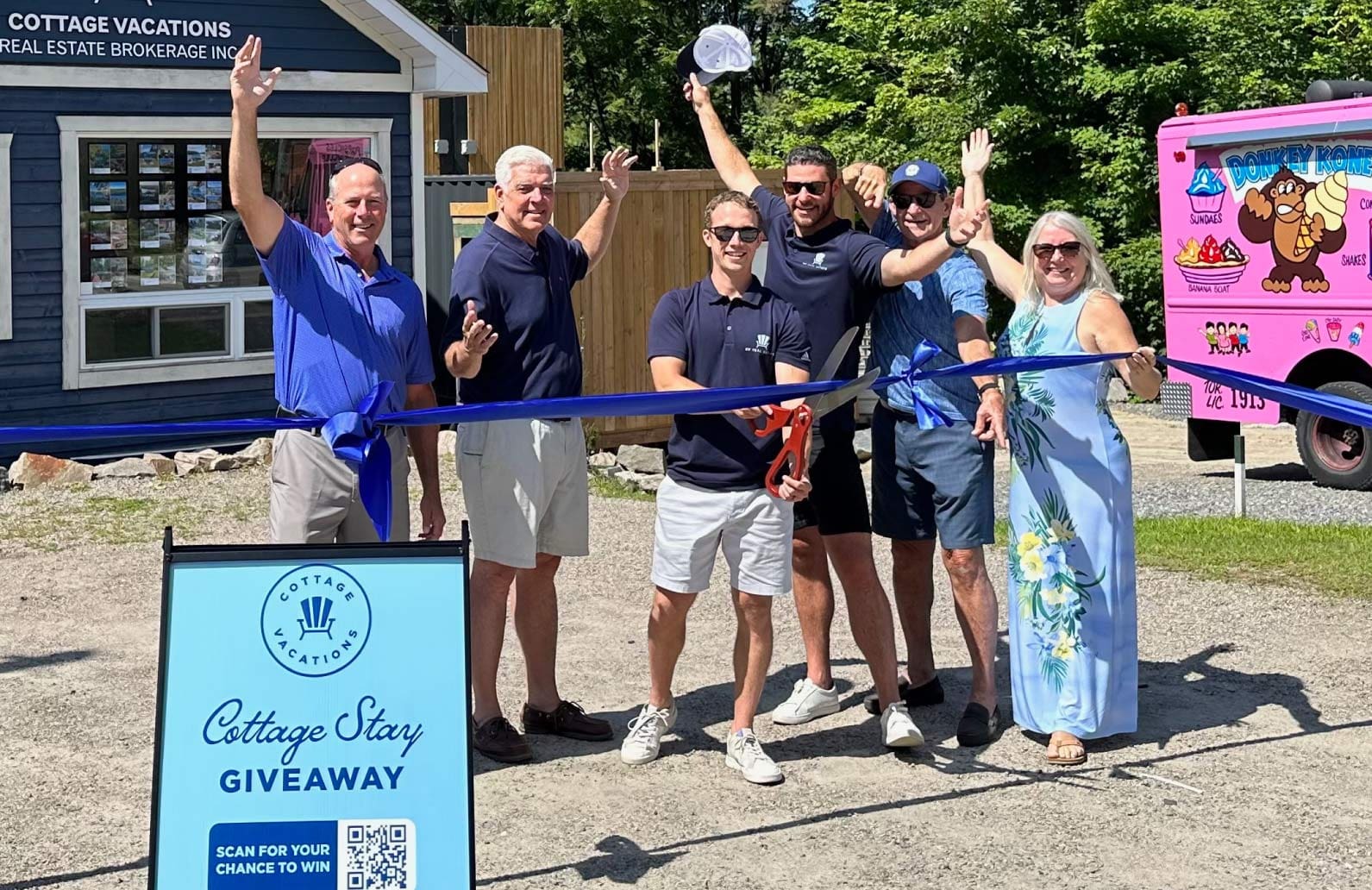
Meet The Team
We’re cottage country enthusiasts and vacation property experts, helping renters, buyers, and sellers reach their goals for more than 20 years.