Choosing the right cottage real estate agent in Ontario is one of the most consequential decisions in your property journey. A skilled agent brings deep market knowledge, strong negotiation ability, and a clear understanding of waterfront and rural property rules. CV Real Estate’s team is built around exactly that kind of expertise, guiding buyers and sellers through every step of the cottage transaction with transparency and care.
What Does a Cottage Real Estate Agent Actually Do?
A cottage real estate agent performs many of the same functions as a traditional residential agent, including property searches, offer preparation, negotiation, and closing support, but with a specific focus on rural and waterfront properties. The role extends well beyond listing a property or scheduling showings.
A capable cottage agent understands the nuances of waterfront zoning, the difference between Crown land and private shoreline, and how setback regulations affect what you can build or renovate. They can interpret a shoreline survey, flag potential issues with a well report, and explain what a right-of-way means for your enjoyment of the property.
At CV Real Estate, agents are familiar with seasonal market patterns across regions including Muskoka, Kawarthas, Haliburton, and Georgian Bay. This regional knowledge helps position both buyers and sellers with greater precision than a generalist agent may offer.
How Do I Know If an Agent Specializes in Cottage Real Estate?
Not every agent who lists cottages is truly a cottage specialist. Here are the questions worth asking before you commit to working with anyone.
Ask About Their Transaction History
A genuine cottage specialist should be able to speak specifically about waterfront and rural transactions they have completed in the past one to two years. Volume matters, but so does the diversity of property types. An agent who has sold exclusively on one lake may not have the broad perspective needed to advise you on a wider search.
Ask How They Handle Inspections and Due Diligence
Cottage properties require specialized inspections that go beyond the standard home inspection checklist. Septic assessments, water quality testing, dock permits, and WETT certifications for wood-burning fireplaces are all part of a thorough due diligence process. An experienced cottage real estate agent can help guide you through these steps and coordinate with the appropriate professionals to ensure nothing is overlooked.
Cottage properties require specialized inspections that go beyond the standard home inspection checklist. Septic assessments, water quality testing, dock permits, and WETT certifications for wood-burning fireplaces are all part of a thorough due diligence process. An experienced cottage real estate agent can help guide the buyer through these steps and coordinate with the appropriate professionals to ensure nothing is overlooked.
Ask About Their Local Network
Strong agents in cottage country have built relationships with local inspectors, lawyers experienced in rural real estate, surveyors, and lenders who understand waterfront lending criteria. That network is not built overnight, and it can meaningfully affect how smoothly your transaction proceeds.
What Should I Look for When Hiring a Cottage Real Estate Agent?
When evaluating a cottage real estate agent, look beyond credentials and consider how they communicate, how well they know the specific region you are focused on, and whether their approach feels tailored to your situation rather than generic.
Key qualities to look for include regional knowledge specific to your target area, a demonstrated track record with waterfront and rural properties, transparency about how they are compensated, and a communication style that keeps you informed without overwhelming you. An agent who asks thoughtful questions about your priorities before speaking about listings is a good sign.
CV Real Estate agents take time to understand client goals before suggesting properties. Whether the focus is a family retreat on a quiet lake, a high-performing short-term rental, or a commercial waterfront investment, the approach is guided by the specific priorities and intended use of the property.
How Are Cottage Real Estate Agents Compensated?
In Ontario, real estate agent commissions are negotiable and typically come from the sale proceeds rather than being paid directly by the buyer. In most transactions, the seller agrees to a total commission with their listing agent, who then offers a portion of that commission to the buyer’s agent through the MLS co-operating brokerage structure.
As a buyer, you generally do not pay your agent out of pocket, though it is always advisable to confirm the compensation structure before signing a buyer representation agreement. If you are a seller, commission rates and what services are included should be clearly discussed upfront. At CV Real Estate, we believe in transparency at every stage, and that includes how we are compensated.
For those considering the investment side of cottage ownership, working with an agent who understands rental potential, regulatory considerations, and long-term value trends can help support more informed decision-making from search through to closing.
What Makes Cottage Real Estate Transactions Different from City Purchases?
Several factors make cottage transactions more complex than a standard urban residential purchase. Understanding them in advance helps you avoid surprises and ask better questions.
Financing Differences
Lenders treat waterfront and seasonal properties differently from primary residences. Properties accessible only by water or seasonal roads, structures without year-round utility services, or properties with shared well arrangements may not qualify for standard residential mortgages. Specialized cottage lenders or alternative financing structures are sometimes required. Your agent should be able to connect you with lenders who work regularly in this space.
Property-Specific Regulations
Conservation authority regulations, municipal shoreline policies, Greenbelt restrictions, and federal navigable waters rules all affect what you can do with a waterfront property. An experienced cottage agent can identify potential limitations early, helping you avoid pursuing a property that may not support your intended use.
Seasonal Market Dynamics
Cottage markets move with the seasons. Inventory typically rises in late spring and peaks through summer. Pricing can shift depending on the time of year, how long a property has been listed, and broader economic conditions. A cottage specialist monitors these patterns continuously and can identify when the market favors buyers versus sellers in a given region.
How Do I Find a Cottage Real Estate Agent in a Specific Region?
The most effective way to find a qualified cottage real estate agent in a specific region is to start with agents who already have active listings in that area. An agent marketing cottages in Muskoka, for example, almost certainly has transactional experience there and can speak from firsthand knowledge about local pricing, competition, and property conditions.
Referrals from people who have recently bought or sold in the region are also valuable. Beyond word of mouth, look at agent profiles on platforms like CREA’s Find a realtor tool to filter by region and specialty. When you review profiles, pay attention to language. An agent who speaks specifically about waterfront zoning, septic systems, or seasonal access roads has likely spent real time in the field.
CV Real Estate operates across Ontario cottage country, with offices and agents serving Muskoka, Kawarthas, Haliburton, Georgian Bay, and surrounding regions. The team’s coverage allows for local insight and support tailored to each area’s market conditions and property types.
What Questions Should I Ask a Cottage Agent Before Hiring Them?
Walking into a conversation with the right questions puts you in a far stronger position. Here are the ones that reveal the most about an agent’s actual expertise.
How many waterfront or cottage properties did you sell in the past 12 months? Can you share examples of transactions in my target area or price range? How do you handle the due diligence process for rural properties? What challenges do buyers most often face in this market, and how do you help them navigate those? How do you communicate with clients throughout a transaction, and how quickly do you typically respond?
These questions are not meant to put an agent on the spot. They are meant to open a genuine conversation about fit. A strong agent will welcome them. For sellers, questions about pricing strategy, marketing approach, and timeline expectations are equally worth exploring. You can review what a complete seller engagement looks like on our selling tips for homeowners.
Is It Worth Using a Buyer’s Agent When Purchasing a Cottage?
Yes, and for cottage purchases in particular, the value a buyer’s agent provides often well exceeds any cost considerations. A skilled buyer’s agent in cottage country brings market knowledge, negotiation experience, a professional network, and the ability to identify property-specific risks before you are financially committed.
Without representation, buyers are left to interpret waterfront surveys, shoreline restrictions, and septic compliance documentation on their own. Missed details at this stage can lead to expensive surprises after closing. A dedicated buyer’s agent is accountable to your interests throughout the process, which the seller’s agent is not.
Organizations like the Canadian Real Estate Association (CREA) offer resources that explain buyer representation rights and what to expect from professional representation. CV Real Estate’s team operates with that same standard of transparency and client-first commitment on every transaction.
Making the Right Choice From the Start
The questions you ask before committing to a cottage real estate agent shape everything that follows. A well-chosen agent can reduce friction, protect your interests, and provide market insight that meaningfully influences both the experience and the outcome.
CV Real Estate focuses on Ontario cottage country, with an emphasis on the specialized knowledge required for waterfront and rural property transactions. The team works within this niche rather than as generalists, reflecting the specific demands of the region. Client relationships typically begin with an initial conversation to understand individual needs and circumstances, whether related to purchasing a cottage or selling a waterfront property.
Frequently Asked Questions
1. What is a cottage real estate agent?
A cottage real estate agent is a licensed real estate professional who focuses on waterfront and rural property transactions. Unlike generalist residential agents, cottage specialists understand region-specific regulations, seasonal market patterns, and the unique due diligence requirements that come with waterfront ownership. Their expertise can prevent costly mistakes throughout the buying or selling process.
2. How do cottage real estate agent fees work in Ontario?
In Ontario, real estate commissions are negotiable and are typically paid from the seller’s sale proceeds. The listing brokerage agreement outlines the total commission, which is then shared with the buyer’s agent through the co-operating commission structure. Buyers generally do not pay their agent directly, though all compensation arrangements should be confirmed in writing before the engagement begins.
3. Can a cottage real estate agent help with investment properties?
Yes. Many buyers approach cottage ownership with both lifestyle and investment goals in mind. A cottage real estate agent with investment experience can help you assess rental yield potential, evaluate properties based on short-term rental regulations, and identify locations with strong appreciation history. CV Real Estate offers dedicated cottage investment property services for buyers with income-focused goals.
4. What is the difference between a buyer’s agent and a listing agent for cottages?
A listing agent represents the seller and is accountable to achieving the best possible outcome for them. A buyer’s agent represents you as the purchaser and works to protect your interests during negotiations, inspections, and due diligence. In Ontario, both agents can be licensed REALTORS, but their fiduciary duties are to different parties. Using your own buyer’s agent in a cottage transaction is strongly advisable given the complexity of rural property purchases.
5. How long does it take to buy a cottage in Ontario?
Timelines vary depending on the market, your financing readiness, and how quickly the right property becomes available. In a competitive season, motivated buyers may close within 60 to 90 days of beginning their search. However, finding a property that meets specific waterfront criteria can take longer. The Ontario Real Estate Association (OREA) provides general guidance on the home-buying timeline that applies equally to cottage purchases.
6. Do I need a special type of lawyer for a cottage purchase?
Yes. A real estate lawyer with rural and waterfront experience is strongly advisable. They will review the title for easements, rights of way, shoreline encroachments, and any conservation restrictions that may affect the property. Not all real estate lawyers are equally familiar with these issues, so asking about their experience with cottage or waterfront transactions before you engage them is worthwhile.
Ready to Work With a Cottage Real Estate Expert?
Whether you are buying your first waterfront property, upgrading to a larger cottage, or preparing to sell, the conversation starts with the right agent in your corner. Contact CV Real Estate today to speak with a specialist who knows Ontario cottage country and can guide you forward with clarity and confidence.
Key Takeaways
- A cottage real estate agent is not a generalist – their expertise in waterfront zoning, rural regulations, and regional market dynamics is what sets them apart.
- Before hiring an agent, ask about their transaction history, due diligence approach, and regional network.
- Cottage transactions involve unique complexities including waterfront financing, conservation restrictions, seasonal market cycles, and specialized inspections.
- Buyer representation in a cottage purchase is strongly advisable – your agent’s accountability is to your interests, not the seller’s.
- CV Real Estate operates exclusively in Ontario cottage country, bringing regional depth, investment knowledge, and transparent client relationships to every transaction.
Meet The Team
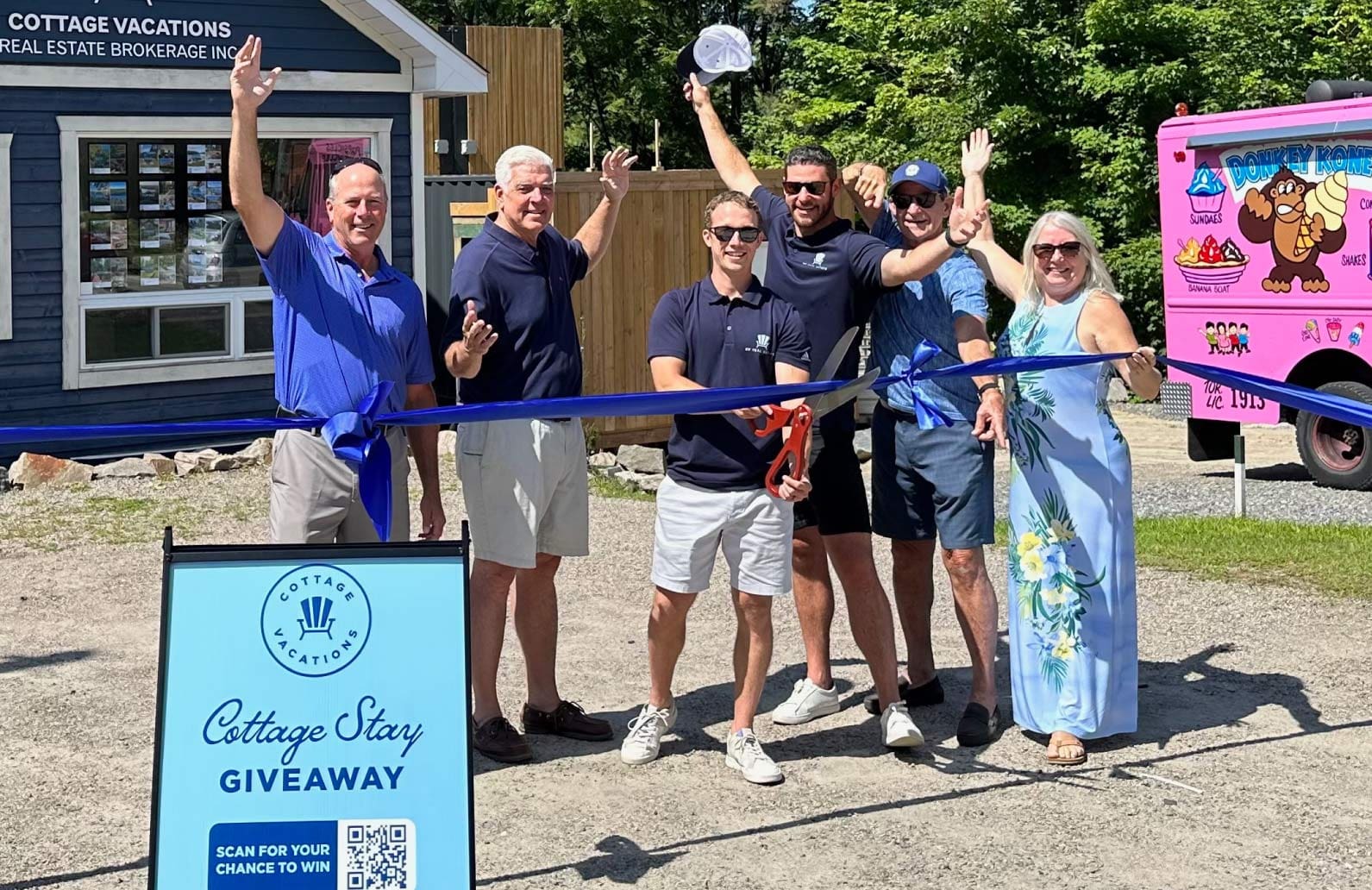
We’re cottage country enthusiasts and vacation property experts, helping renters, buyers, and sellers reach their goals for more than 20 years.