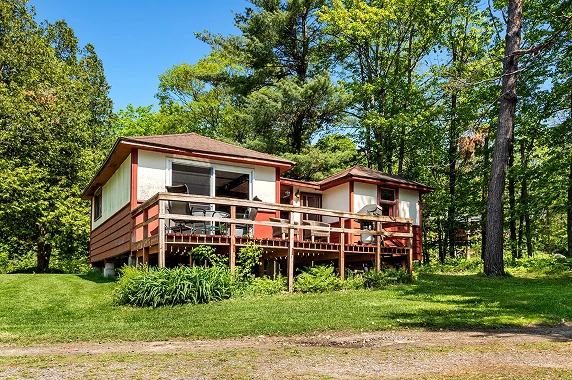
Cottage insurance in Ontario is structured very differently from a standard home insurance policy. Seasonal occupancy designations, vacancy clauses, waterfront liability, and the replacement cost of outbuildings and docks all create coverage considerations that buyers and owners frequently underestimate. Understanding how cottage insurance works before you close is not a bureaucratic detail. It is the protection layer that determines whether a major loss is genuinely recoverable.
Why Cottage Insurance in Ontario Requires a Different Approach
The assumption that a standard home insurance policy extends naturally to a cottage purchase is one of the most common misconceptions buyers bring to their first recreational property transaction. It does not. Cottage insurance in Ontario is a distinct product category governed by different underwriting criteria, different occupancy classifications, and different coverage structures than the residential policies most buyers are familiar with.
The differences matter. A cottage that is not properly insured against the specific risks of recreational property ownership is not actually protected, regardless of what the declarations page says. Buyers who take the time to understand exactly what their policy covers, what it excludes, and what documentation their insurer requires to honour a claim are far better positioned when a loss actually occurs.
CV Real Estate walks buyers through insurance planning as part of every cottage purchase advisory engagement.
The Occupancy Classification Question
The single most consequential variable in an Ontario cottage insurance policy is how the insurer classifies the property’s occupancy pattern. Most Ontario cottage insurers apply two primary designations.
Seasonal Cottage
A property occupied for a defined number of days per year, often capped at 120 days in many policy wordings, and left vacant for extended periods outside that window. Seasonal designation typically triggers specific vacancy clauses that reduce or suspend coverage for certain perils during unoccupied periods.
The most common perils excluded or limited during vacancy are water damage from pipe freeze, vandalism, and certain liability claims. Some policies also reduce coverage for theft from an unoccupied seasonal property.
Year-Round Recreational Residence
A property used across all four seasons, maintained to year-round habitability standards, and not left unoccupied for extended consecutive periods. Year-round designation generally allows for coverage terms more similar to a residential policy, with fewer vacancy-related exclusions.
Buyers targeting a year-round property should confirm the occupancy designation with their insurer explicitly and understand the maximum consecutive days of unoccupied status the policy permits before coverage conditions are triggered.
Vacancy Clauses and What They Mean for Ontario Cottage Owners
Vacancy clauses in Ontario cottage insurance policies are the source of more claim disputes and coverage surprises than any other single policy provision. They deserve careful reading before coverage is bound.
A vacancy clause typically specifies that if the property is left unoccupied for more than a defined number of consecutive days, coverage for specified perils is suspended or reduced. In cottage insurance policies, this threshold can be as low as 30 consecutive days for some perils and as long as 90 days for others.
For buyers who intend to use their cottage seasonally and leave it unoccupied from October through May, this clause directly affects what losses the policy will cover during the vacant period. Water damage from a burst pipe during a February cold snap is one of the most common cottage insurance claims in Ontario. Whether that claim is paid depends entirely on whether the vacancy clause conditions have been met.
Mitigation requirements are standard in most seasonal cottage policies. These typically include draining all water lines and pressure systems before the property is left unoccupied for the season, maintaining minimum interior temperatures in heated structures, and in some cases installing a monitoring system that alerts the owner or a service provider to temperature drops or water events.
Replacement Cost vs Actual Cash Value
The basis of settlement in a cottage insurance policy determines what the insurer pays when a covered loss occurs. Two primary options exist.
Replacement Cost
A replacement cost policy pays the full cost of rebuilding or repairing the structure to its current condition at today’s material and labour costs, without any deduction for depreciation. This is the coverage standard buyers should prioritize for their main cottage structure and any significant outbuildings.
Actual Cash Value
An actual cash value settlement deducts depreciation from the replacement cost based on the age and condition of the damaged item. For an older cottage structure, the gap between replacement cost and actual cash value can be substantial. A policy that pays actual cash value for a 40-year-old cottage may provide a fraction of what rebuilding actually requires.
Buyers should confirm that their cottage insurance policy settles on a replacement cost basis and that the insured value is set at the current cost to rebuild, not the purchase price or the assessed value. These three figures are rarely the same, and underinsurance is a common problem in Ontario cottage policies.
What Structures and Coverages a Cottage Policy Should Include
Main Cottage Structure
The primary dwelling structure should be covered for its full replacement cost, including all attached components. Buyers should confirm that the insured value reflects current construction costs, which have increased substantially in recent years.
Docks and Boathouses
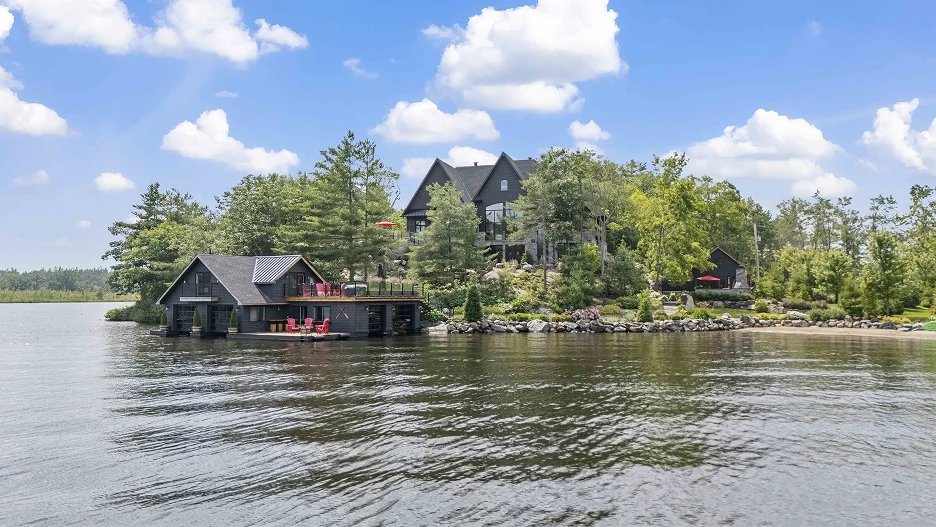
Docks and boathouses are typically scheduled as separate items on a cottage policy. Coverage limits for these structures vary considerably between insurers and between policy tiers. An older, basic dock may be covered incidentally under the main policy. A substantial boathouse with significant structural value should be explicitly scheduled with a coverage limit that reflects its replacement cost.
Note that coverage for dock and boathouse structures may also be affected by permit status. Unpermitted structures can complicate or void coverage claims. This is another reason why permit verification at purchase is a critical due diligence step.
Watercraft and Marine Equipment
Motorized watercraft are typically excluded from cottage property policies and require a separate marine insurance policy. Personal watercraft, canoes, kayaks, and non-motorized boats may be covered under the cottage policy up to a specified limit, but buyers should confirm the scope of coverage explicitly.
Personal Liability
Liability coverage on a cottage policy protects the owner against claims arising from bodily injury or property damage to third parties that occurs on the property. Waterfront properties have elevated liability exposure relative to standard homes given the presence of docks, swimming areas, watercraft, and activities that carry inherent risk. Buyers should ensure liability limits are adequate for their specific property and use patterns.
Contents
Personal property kept at the cottage, including furniture, appliances, recreational equipment, and seasonal items, should be covered under a contents schedule within the cottage policy. Buyers should estimate the replacement value of cottage contents independently and confirm that the policy limit is adequate.
Factors That Affect Cottage Insurance Premiums in Ontario
Ontario cottage insurance premiums reflect a range of property and use characteristics that buyers should understand before they budget for annual ownership costs.
- Distance from the nearest fire station: Properties farther from a fire response service carry higher premiums reflecting greater loss exposure in a fire event.
- Construction type and age: Log, post-and-beam, and older frame construction attracts higher premiums than newer conventional construction due to fire risk and repair cost complexity.
- Roof condition and age: An aging or deteriorating roof increases claim likelihood. Many Ontario cottage insurers require a roof inspection or condition confirmation before binding coverage on older properties.
- Heating system type and condition: Wood-burning primary heating systems and older propane systems attract higher fire risk ratings than electric or modern forced-air systems.
- Electrical system: A 60-amp fuse panel or aluminum wiring can make certain insurers decline to offer coverage or require system upgrades before binding.
- Waterfront exposure: Proximity to water affects flood and ice damage exposure. Properties on rivers or flood-prone shorelines face more stringent underwriting than those on stable lake frontage.
- Security and monitoring: The presence of a monitored alarm system, temperature monitoring, or a local keyholding service can reduce premiums for seasonal properties.
- Typical annual cottage insurance premiums for an Ontario waterfront property in Muskoka range from $2,500 to $6,000 for a mid-range property. High-value properties with boathouses and significant structure values can substantially exceed this range.
Flood Insurance and Overland Water Coverage
Overland flooding has historically been excluded from standard Canadian property insurance policies. In recent years, most major Ontario insurers have introduced overland water endorsements that can be added to cottage policies, providing coverage for surface water flooding events.
Given that many Ontario cottage properties sit at or near the water’s edge, overland water coverage is worth reviewing explicitly with your insurer. Some properties may be ineligible for this endorsement due to their shoreline proximity or their presence within a designated floodplain. Buyers in flood-prone areas should understand the specific flood risk of their target property and the availability and cost of flood coverage before closing.
How CV Real Estate Supports Buyers With Cottage Insurance Planning
Insurance planning is part of the total cost conversation we have with every buyer client before their search begins. We help buyers understand the occupancy classification they are targeting, the structures that need to be explicitly covered, and the conditions that a seasonal cottage policy typically imposes on vacancy management.
We also flag insurance-relevant findings during the due diligence process, including unpermitted structures, aging electrical systems, and deferred roof maintenance, that are likely to affect coverage eligibility or premium levels. Knowing about these issues before closing allows buyers to address them through negotiation rather than discover them through a declined claim.
Reach out through the CV Real Estate contact page to discuss your cottage purchase with an advisor who understands the full ownership picture.
The Right Coverage Is the Foundation of Confident Ownership
A cottage without adequate insurance is not genuinely owned. It is held at risk. Buyers who engage with their insurance requirements before they close, rather than after, own their property with the confidence that a major loss would not undo everything they worked to acquire.
CV Real Estate helps buyers get there. Start the conversation on the CV Real Estate contact page.
Frequently Asked Questions: Cottage Insurance Ontario
1. Does my home insurance policy automatically cover my Ontario cottage?
No. A standard home insurance policy covers your principal residence and generally does not extend meaningful coverage to a secondary recreational property. A separate cottage insurance policy is required to cover the cottage structure, contents, liability, and associated structures such as docks and boathouses.
2. What is a vacancy clause, and how does it affect my cottage coverage?
A vacancy clause suspends or reduces coverage for certain perils if the property is left unoccupied for more than a specified number of consecutive days. For seasonal Ontario cottages, this commonly affects coverage for water damage from pipe freeze, vandalism, and some theft claims. Meeting the clause requirements typically involves draining water systems and in some cases maintaining a minimum interior temperature or installing a monitoring system.
3. How much cottage insurance do I need for a Muskoka waterfront property?
Coverage should be set at the full replacement cost of the main structure at current construction costs, plus separate scheduled amounts for docks, boathouses, and outbuildings. Liability coverage should reflect the waterfront nature of the property. Work with your insurer to confirm coverage limits are adequate and that the insured value is reviewed regularly as construction costs change.
4. Does an unpermitted dock or boathouse affect my insurance coverage?
It can. Some insurers will decline to cover unpermitted structures or may apply exclusions to claims arising from those structures. This is one of several reasons why permit verification at purchase is a critical step. Buyers who inherit unpermitted structures should address the permit status before assuming they have meaningful insurance coverage for those assets.
5. Is flood insurance available for Ontario cottages?
Most major Ontario insurers now offer overland water endorsements that can be added to cottage policies. However, some properties near water or within designated floodplains may be ineligible for this endorsement. Confirm the availability and terms of flood coverage with your insurer before closing if your property has any shoreline flood risk.
6. How does CV Real Estate help buyers navigate cottage insurance planning?
We incorporate insurance cost planning into the total ownership cost discussion we have with buyers before their search begins. We flag inspection findings that are likely to affect insurance eligibility, help buyers understand what occupancy classification their target property will carry, and recommend that buyers obtain insurance quotes during the condition period rather than after closing.
Key Takeaways
- Cottage insurance in Ontario is a distinct product from home insurance. It requires a separate policy with specific provisions for occupancy classification, vacancy, and waterfront structures.
- Vacancy clauses are among the most consequential provisions in a seasonal cottage policy. Understanding what they require and how to comply with them before leaving the property unoccupied is essential.
- Coverage should be set at replacement cost, not purchase price or assessed value. Underinsurance is a common problem in Ontario cottage policies.
- Docks, boathouses, watercraft, and personal liability all require explicit coverage consideration beyond the main structure.
- Insurance-relevant findings from the inspection, including aging electrical systems, unpermitted structures, and roof condition, should be resolved before closing to protect coverage eligibility.
Meet The Team
We’re cottage country enthusiasts and vacation property experts, helping renters, buyers, and sellers reach their goals for more than 20 years.