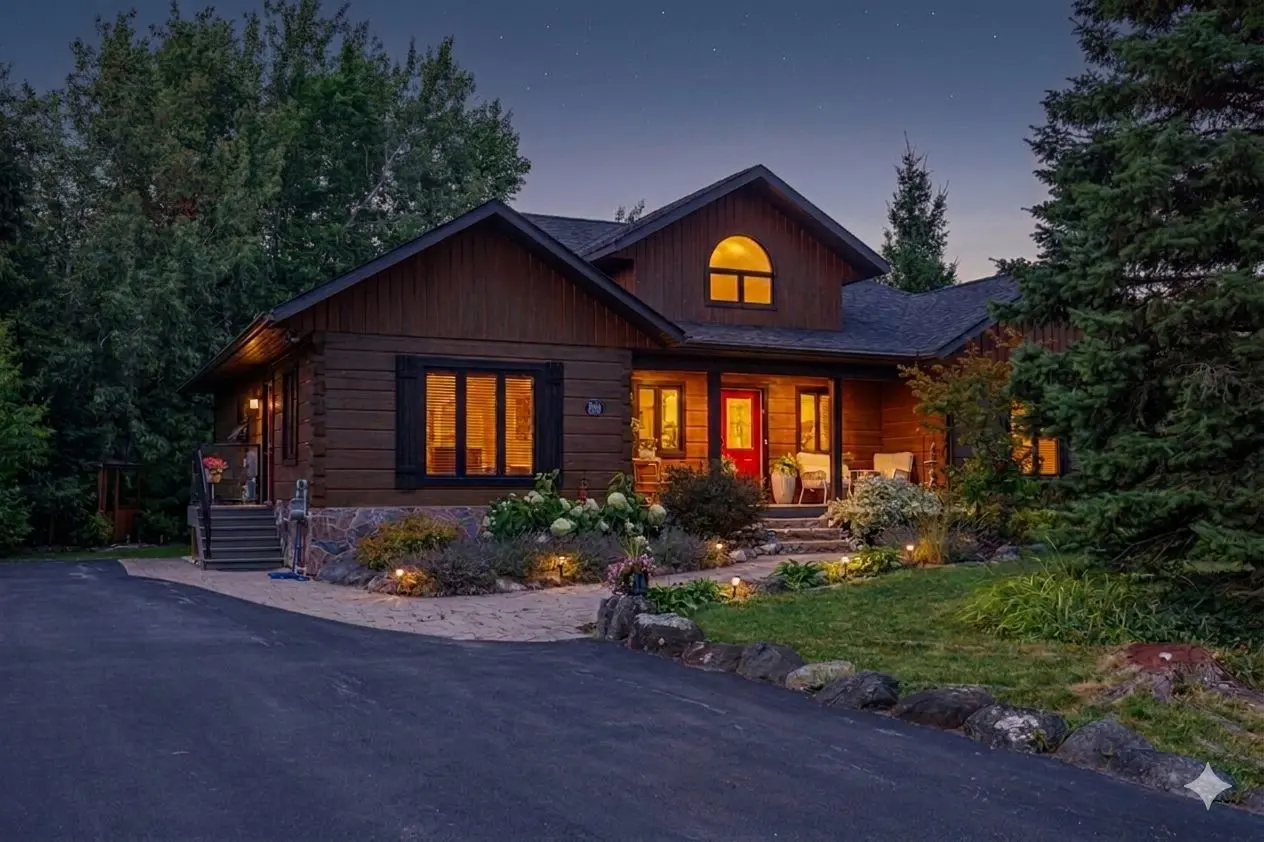
Climate cottage property values Ontario buyers and owners must consider are increasingly shaped by changing precipitation cycles, water level fluctuations, ice coverage, and extreme weather events. These factors affect the usability, insurability, and long-term value of waterfront properties across Muskoka, Haliburton, the Kawarthas, and Georgian Bay.
Why Are Buyers Paying Closer Attention to Climate When Buying a Cottage in Ontario?
The connection between climate patterns and cottage real estate values has become more visible over the past decade as Ontario has experienced more frequent and intense weather events. Extended droughts affecting lake water levels, flood events damaging low-lying waterfront structures, and shifts in the timing and reliability of winter ice coverage have all become observable factors that buyers are incorporating into their due diligence process.
This is not a fringe concern. Institutional lenders, property insurers, and professional appraisers are beginning to factor climate-related risk into the frameworks they use to assess waterfront properties. A cottage that is exposed to recurring flood events, faces difficulty obtaining insurance, or sits on a lake with deteriorating water quality is a fundamentally different asset than one that is well-positioned relative to these environmental risks.
CV Real Estate works with buyers and sellers across Ontario’s cottage country markets where understanding these dynamics has become part of responsible property representation. Buyers with specific questions about a property’s environmental positioning can book a buying call to discuss their specific situation with the team.
How Do Water Level Fluctuations Affect Ontario Cottage Property Values?
Water levels on Ontario’s major cottage lakes are influenced by a combination of precipitation patterns, snowpack accumulation, evaporation rates, and in many cases the management decisions of provincial and federal water management authorities. Ontario’s regulated lake systems, including those connected through the Trent-Severn Waterway and sections of the Muskoka River watershed, have water levels actively managed within target ranges. Unregulated lakes are subject to greater natural variability.
Ontario’s Muskoka Watershed Conservation and Management Initiative recognizes directly that the watershed is changing as a result of climate change and human development, and has committed over $4.25 million to projects specifically addressing flood mitigation, water level monitoring, and shoreline erosion across the region’s more than 2,000 lakes. This government-level acknowledgement of the issue reflects the growing importance of water management as a factor in Muskoka property planning and valuation.
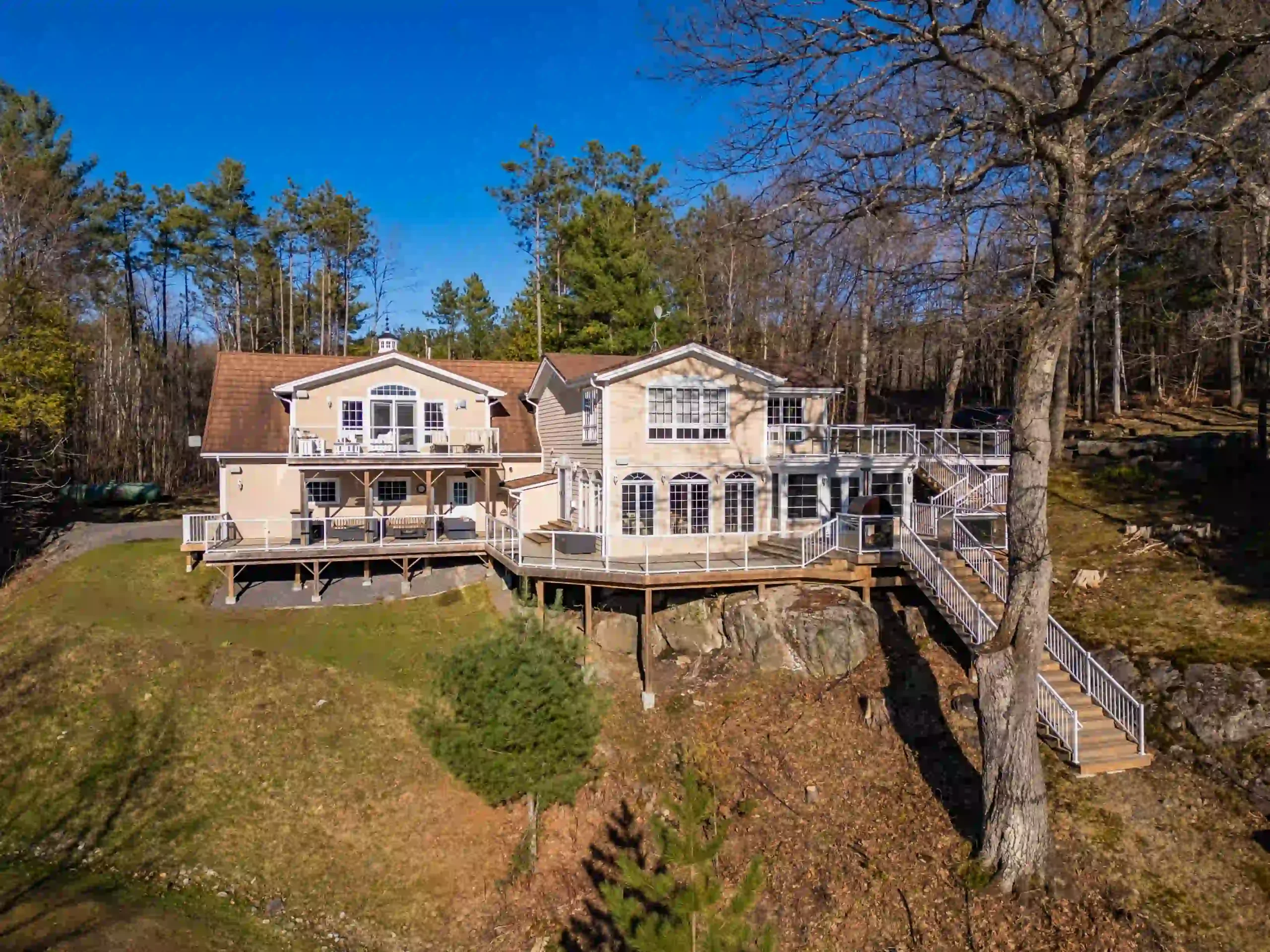
High water events, which have become more common in certain Ontario regions following periods of unusually heavy precipitation or rapid snowmelt, create risks for structures built close to the original waterline. Boathouses, lower-deck areas, and properties on flood-prone sections of rivers or narrow lake channels are particularly exposed. Properties with higher elevation relative to the waterline carry structurally lower flood risk and this characteristic is becoming increasingly legible to sophisticated buyers.
Sellers of properties with strong elevation characteristics and natural shoreline resilience are well positioned to represent these attributes as genuine value drivers in the current market. The selling guidance at CV Real Estate includes expert advice on how to accurately and effectively represent waterfront property attributes to qualified buyers.
What Role Does Ice Coverage Play in Ontario Cottage Country Property Values?
The reliability of winter ice coverage on Ontario’s cottage lakes is an important quality-of-life consideration for buyers who use their properties year-round or who engage in winter recreational activities such as ice fishing, snowmobiling over frozen lake surfaces, and skating. Ice coverage also affects certain property maintenance tasks, including winter dock removal and storage, that are tied to the timing of freeze and thaw cycles.
Warmer winters across Ontario have produced ice coverage that is less predictable, forms later in the season, and breaks up earlier in spring than historical patterns suggested. For properties on smaller, shallower lakes that traditionally formed reliable ice early in the winter season, this variability has practical implications for year-round owners and those who have built recreational routines around winter lake use.
From a property value perspective, the impact of ice coverage changes is most directly felt by buyers who factor year-round recreational access into their willingness to pay a premium. For purely seasonal owners who close their cottages for winter, this consideration is less financially material, though insurance and maintenance implications tied to freeze-thaw cycles can affect the long-term cost of ownership.
How Does Wildfire Smoke and Air Quality Affect Ontario Cottage Markets?
Ontario’s cottage country experienced significant wildfire smoke events in 2023, driven primarily by fires in northern Ontario and Quebec, that affected air quality across much of the province including the Muskoka, Haliburton, Georgian Bay, and Kawarthas regions. Ontario issued 13 air quality alerts covering 55 days that year, with seven of those alerts directly attributable to elevated fine particulate matter from wildfire smoke. Environment and Climate Change Canada’s Wildfire Smoke, Air Quality and Your Health resource explains how smoke events are tracked and how the Air Quality Health Index communicates risk in real time, and is a practical tool for buyers researching the air quality history of any region they are considering.
For most of Ontario’s established cottage markets, the risk of direct property loss from wildfire is substantially lower than in western Canadian or Pacific Northwest markets. However, the smoke impact on outdoor recreational enjoyment during key summer weeks has become part of the cottage ownership conversation in a way that it was not a decade ago. Properties in areas with more natural firebreak characteristics, such as lake-dense regions with significant water surface area interrupting forest coverage, carry a lower direct smoke exposure profile.
How Are Property Insurers Responding to Climate Risk in Ontario Cottage Country?
Property insurance availability and pricing for Ontario waterfront cottages has become more complex as insurers incorporate climate risk modelling into their underwriting decisions. According to the Insurance Bureau of Canada’s 2026 flood insurance market report, approximately 94% of residential properties across Canada now have access to overland flood insurance but the remaining 6%, concentrated in areas of highest flood risk, face coverage exclusions, higher premiums, or difficulty obtaining comprehensive protection. Certain categories of risk, including overland flood coverage, sewer backup, and water damage from extreme precipitation events, are being underwritten more conservatively than they were a decade ago.
Buyers who are financing a cottage purchase through a mortgage lender are required to maintain adequate property insurance as a condition of their loan. A property that is difficult or expensive to insure comprehensively presents a risk management problem that affects both the buyer’s carrying costs and the pool of future buyers who would be able to finance the property. This insurance accessibility dimension of climate risk is becoming a practical factor in cottage valuations.
Buyers should confirm insurance availability and estimated premiums for any specific property before completing a purchase. Working with an independent insurance broker who specializes in Ontario cottage and waterfront properties is advisable. For guidance on evaluating cottage properties holistically, the CV Real Estate team can help buyers structure their due diligence process effectively.
Which Ontario Cottage Markets Are Most Resilient to Climate-Related Risk?
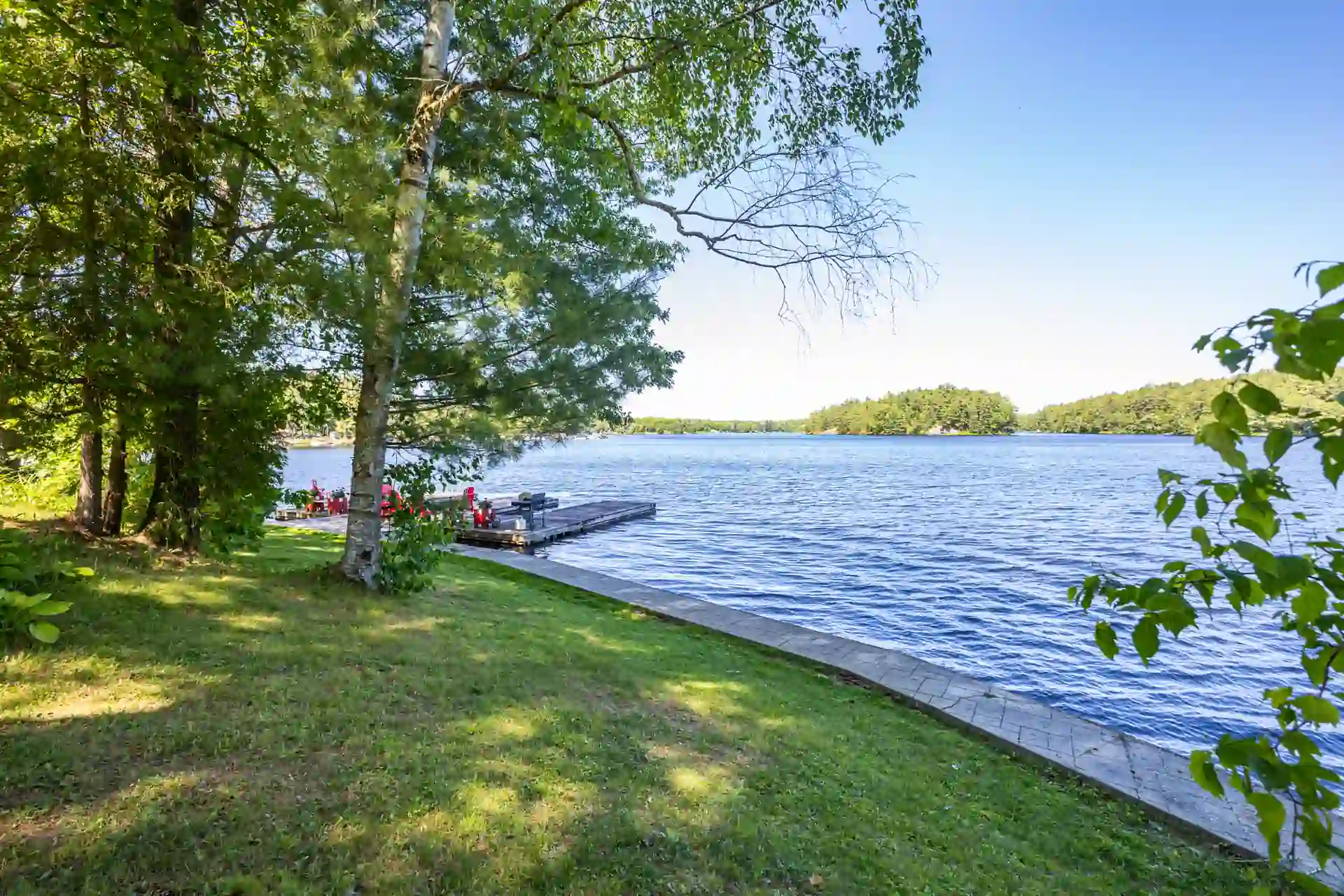
Properties on well-regulated, deep lakes with significant water volume and stable water management frameworks are generally better positioned to weather climate-related variability than those on shallow, unregulated, or ecologically stressed water bodies. The Canadian Shield lakes that define Muskoka’s primary market, including Lake Muskoka, Lake Rosseau, and Lake Joseph, benefit from their depth, clarity, and the relatively stable management history of the Muskoka River watershed.
Elevation above the waterline is a consistent resilience factor across all Ontario cottage markets. Properties with meaningful setbacks from the current waterline and natural elevation gain from the shore provide structural protection against high-water events that low-lying properties cannot replicate. Well-positioned properties on established, quality lakes represent the most defensible combination of lifestyle value and climate resilience available in Ontario cottage country.
Buyers who want to evaluate specific properties against climate-related risk factors are encouraged to review publicly available flood mapping from Conservation Authorities, Ministry of Natural Resources data on regulated water levels, and consult with local environmental professionals where warranted. The community guides at CV Real Estate provide useful context on the environmental and community characteristics of the areas where the firm is most active.
What Should Cottage Sellers Know About Climate and Property Value?
Sellers of Ontario waterfront properties that carry genuine climate resilience characteristics, including good elevation, stable water levels, natural shoreline buffers, and properties on well-managed regulated lakes, should articulate these attributes clearly in their marketing. As climate awareness grows among buyers, these characteristics have tangible value that is not always captured in traditional property descriptions focused solely on cottage size, amenities, and frontage.
Sellers of properties with known flood history, water quality concerns, or insurance complications have a disclosure obligation under Ontario real estate law. Material latent defects, including recurring flood damage or drainage problems, must be disclosed to prospective buyers. Attempting to conceal these issues creates legal risk and can result in post-sale claims. Transparent, accurate representation of all property characteristics, including those that may be seen as liabilities, protects both parties and supports a transaction that holds up over time.
Climate, Cottage Values, and the Long View in Ontario Real Estate
Climate considerations in Ontario cottage real estate are not a reason to avoid the market. They are a reason to be more thoughtful about which properties within the market represent durable value. The fundamental appeal of Ontario cottage country, the landscape, the lakes, the lifestyle, and the communities, has not been undermined by weather pattern changes. What has changed is the degree of due diligence that a well-informed buyer applies to specific property characteristics.
Properties on quality lakes, with good elevation, natural shoreline resilience, comprehensive insurance access, and locations in well-regulated water management areas are well positioned to maintain and build value over the long term. These attributes were always important in waterfront real estate. They are simply more legible now than they were a generation ago.
CV Real Estate brings expertise and current market knowledge to buyers and sellers navigating these considerations across Ontario’s cottage country. To discuss how climate and weather factors apply to a specific property you are evaluating, book a buying call or connect with the team today.
Talk to CV Real Estate About Ontario Waterfront Properties
CV Real Estate provides expert guidance to buyers and sellers navigating Ontario cottage country, including the environmental and climate considerations that matter for waterfront property decisions. To discuss a specific property or market, book a buying call or book a selling call with the team today.
Frequently Asked Questions
1. Is climate change reducing Ontario cottage property values?
Climate change is not reducing values across the Ontario cottage market broadly. There is increasing differentiation between properties that carry meaningful climate resilience characteristics and those that are more exposed to flood risk, water level variability, or insurance difficulty. Well-positioned properties on quality, well-regulated lakes with good elevation above the waterline have shown continued value strength. Properties with genuine environmental risk exposure are being assessed more carefully by sophisticated buyers. Our guide to the best lakes in Ontario for real estate investment covers which lake characteristics support long-term value resilience.
2. How does flood risk affect my ability to get cottage insurance in Ontario?
Overland flood coverage for cottage properties in Ontario is offered on a conditional basis by most major insurers and is not universally available for properties in flood-prone areas. Properties with known flood history or located in areas mapped as flood-risk zones by Conservation Authorities may face higher premiums, coverage exclusions, or in some cases difficulty obtaining comprehensive coverage. Buyers should confirm insurance availability and cost for any property before completing a purchase. Our overview of cottage insurance in Ontario explains what coverage to look for and what questions to ask before you commit.
3. Are lake water levels stable in Muskoka?
Water levels on Muskoka’s primary lakes are actively managed within target ranges by the Ministry of Natural Resources and Forestry in coordination with local water management authorities. The Muskoka River watershed has a managed level system that provides more stability than unregulated lakes. However, extreme drought or precipitation events can still cause temporary deviations from target levels. Buyers should review the specific water management status of any lake before purchasing. Our guide to water quality considerations for Ontario cottages outlines the key checks to carry out before any waterfront purchase.
4. Does wildfire risk affect Ontario cottage values the way it does in British Columbia?
Direct wildfire property loss risk in Ontario’s established cottage country markets is substantially lower than in the wildfire-prone regions of British Columbia, Alberta, and the western United States. Ontario’s lake-dense Canadian Shield landscape provides natural firebreaks. However, wildfire smoke events from fires elsewhere in Canada have affected air quality in cottage country during summer seasons, and this is an emerging consideration for buyers who prioritize consistent outdoor enjoyment during peak season. Our comparison of waterfront versus water access cottages in Ontario covers how site characteristics, including landscape exposure, factor into overall property risk.
5. What disclosure obligations apply to climate-related property issues when selling a cottage in Ontario?
Ontario real estate law requires sellers to disclose material latent defects that they are aware of and that are not readily discoverable by a buyer conducting a reasonable inspection. Recurring flood damage, drainage problems, and known water quality issues that materially affect the property’s value or usability fall within this disclosure requirement. Sellers who are uncertain about their specific disclosure obligations should consult a real estate lawyer before listing their property. Our guide to cottage inspection and disclosure requirements in Ontario outlines what sellers are expected to communicate and what buyers should verify independently.
Key Takeaways
- Climate-related factors including water level variability, flood risk, insurance accessibility, and air quality from wildfire smoke are becoming measurable considerations in Ontario cottage property valuations.
- Properties with good elevation above the waterline, locations on well-regulated lakes, and natural shoreline resilience characteristics carry structural advantages in a market where climate awareness is growing.
- Property insurance availability and pricing for Ontario waterfront cottages is becoming more complex as insurers incorporate climate risk modelling, affecting carrying costs and the future buyer pool for exposed properties.
- Ontario’s Canadian Shield lakes, including Muskoka’s primary lakes, benefit from depth, clarity, and managed water level systems that provide more stability than shallower, unregulated lakes.
- Sellers with climate-resilient property characteristics should represent these attributes clearly in their marketing, as they carry growing value with informed buyers.
- Sellers with known flood history or environmental issues have a disclosure obligation under Ontario real estate law and should consult a real estate lawyer before listing.

Meet The Team
We’re cottage country enthusiasts and vacation property experts, helping renters, buyers, and sellers reach their goals for more than 20 years.