First-time cottage buyers often ask the wrong questions at the wrong stage. The questions that protect your purchase are the ones that surface zoning restrictions, seasonal access limitations, septic age, and STR licensing status before you make an offer, not after. This guide is for buyers who want a structured question set to use at their first agent meeting.
Why Do the Questions You Ask a Cottage Agent Matter More Than in a City Transaction?
A cottage real estate transaction is more complex than a standard residential purchase because the variables that determine value, usability, and income potential are not visible on the listing sheet. In a city transaction, buyers are evaluating a known property type in a well-mapped regulatory environment. In cottage country, buyers are evaluating a property’s access conditions, water rights, zoning status, septic capacity, seasonal infrastructure, and STR licensing eligibility, none of which appear in a standard MLS listing description.
An agent who specialises in cottage country transactions will have pre-built answers to most of these questions. An agent who does not specialise will give you incomplete or incorrect answers, and you may not discover the gap until after you have a conditional offer in place. The questions below are designed to expose that gap quickly. Related guidance for first-time cottage buyers on what to know before buying covers the full pre-purchase picture.
What Questions Should You Ask About the Agent’s Cottage Market Experience?
The first category of questions assesses whether the agent has genuine expertise in cottage country transactions, not just general real estate experience. The relevant questions are: How many cottage transactions have you completed in this specific region in the last 12 months? What lakes or areas do you specialise in, and why? Have you personally owned or rented in this cottage country market? What is the most common mistake first-time cottage buyers make, and how do you protect your clients from it?
The answers to these questions separate a specialist from a generalist within the first few minutes of a conversation. A specialist will answer with specifics: lake names, transaction counts, bylaw nuances, and concrete examples of issues they have caught during due diligence. A generalist will give you broad assurances that sound reasonable but contain no verifiable detail. CV Real Estate agents work exclusively in Ontario cottage country and carry the rental market knowledge that comes from operating Cottage Vacations across the same region.
An additional question worth asking: does your brokerage have access to rental income data for properties comparable to the ones I am evaluating? Most brokerages cannot answer yes to this question. CV Real Estate can, because Cottage Vacations manages active rental properties across Muskoka, Haliburton, and surrounding markets. That data is what makes income-property valuations from this team different from published estimates. More on how that advantage is built is at CV Real Estate rental data advantage.
What Questions Should You Ask About the Specific Property?
The second category of questions focuses on the property itself. These are the questions that surface issues most commonly missed in a cottage transaction: Is the road to this property maintained year-round, and by whom? Is the water supply from a drilled well, a lake intake, or a holding tank? How old is the septic system, and when was it last inspected? Does the property have a registered right of way for water access, or is waterfront access through a shared or unregistered arrangement? Are there any unregistered encroachments on the shoreline or the property boundaries?
Septic age is one of the highest-risk items in a cottage purchase. Ontario septic systems serving recreational properties have a typical service life of 20 to 30 years depending on soil conditions and usage patterns. A failing or undersized septic system can cost $30,000 to $60,000 or more to replace, and replacement must comply with current Ontario Building Code standards, which are more demanding than the standards under which older systems were originally installed. An agent who cannot tell you the age and inspection history of the septic system has not done adequate preparation for your meeting. The Federation of Ontario Cottage Associations covers cottage septic inspection requirements and the regional variation in mandatory inspection programs across Ontario municipalities, which differs lake to lake and township to township.
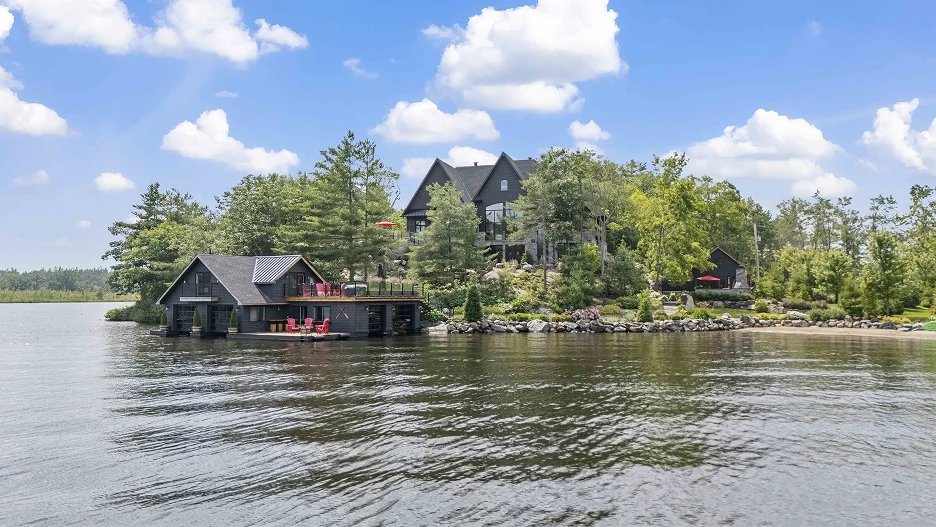
Water access is equally important and commonly misrepresented. A listing that shows a dock or waterfront photos may be showing a shared arrangement or a licence of occupation. The Ontario government’s page on waterfront work permits explains when Ministry approval is required for structures on or near shore lands. The question to ask is: is the waterfront access registered on title, and can you provide the relevant title documents for review? The broader context on waterfront property value and access is covered at waterfront frontage property value.
What Questions Should You Ask About Zoning and STR Licensing?
Zoning and short-term rental licensing questions are the category most consistently skipped by first-time cottage buyers and most consistently underestimated by generalist agents. The relevant questions are: What is the current zoning designation for this property, and does it permit short-term rental use? Has this property previously held an STR license, and is that license currently active? What are the guest capacity limits under the applicable township bylaws? Does the property’s parking and septic capacity meet the licensed guest count requirements?
Township-level STR bylaws in Ontario differ significantly from one municipality to the next. The Township of Muskoka Lakes, Huntsville, Bracebridge, Gravenhurst, and Seguin Township each operate under different licensing frameworks, fee schedules, and zone eligibility maps. A property on one side of a township boundary may be eligible for STR licensing while an identical property 500 metres away may not be. An agent who does not know the specific bylaw framework for the property you are evaluating cannot reliably answer these questions.
CV Real Estate conducts address-level eligibility assessments for buyers considering income properties. This includes reviewing the applicable township bylaw, confirming zone eligibility, and modelling realistic occupancy and income based on comparable Cottage Vacations-managed properties in the same area. A structured list of additional questions to raise with any cottage agent is available at cottage real estate agent questions.
What Questions Should You Ask About Closing Costs and Process?
Cottage transactions carry closing costs that differ from standard residential purchases and that vary based on property type, access, and intended use. The questions to ask at the agent meeting include: What title insurance provisions are standard for this type of cottage property? Are there any outstanding work orders, building permits, or conservation authority restrictions on record for this property? What is a realistic timeline from conditional offer to closing in this market, and what are the common causes of delays?
Ontario cottage closings regularly uncover issues during the conditional period that are rare in urban transactions: unpermitted boathouses, dock structures requiring Ministry of Natural Resources and Forestry approval, unapproved additions constructed without building permits, and easements or rights of way not clearly disclosed in the listing. An experienced cottage agent will walk you through each of these risk categories before you make an offer. A full breakdown of what to expect on the cost side is at cottage closing costs Ontario.
Getting the Right Answers Starts With the Right Agent
The questions above are designed to surface the knowledge gaps that separate a specialist cottage agent from a generalist. A qualified cottage specialist will answer each category with specifics, not generalities. An agent who cannot answer the zoning, septic, and water access questions in detail at your first meeting is not the right agent for a cottage purchase. CV Real Estate agents work exclusively in Ontario cottage country and carry both the real estate and rental market knowledge needed to give buyers complete, accurate answers before any offer is made.
Connect With the Right Cottage Specialist
If you are preparing for a first meeting with a cottage agent and want to make sure you are asking the right questions, CV Real Estate is ready to help. Our team works exclusively in Ontario cottage country and carries rental income data, zoning knowledge, and STR licensing expertise that most brokerages cannot access. Contact CV Real Estate to speak with a specialist before your next property viewing.
Frequently Asked Questions
1. What is the most important question to ask a cottage real estate agent?
The most important question to ask a cottage real estate agent is about the STR licensing and zoning status of any property you are considering for income use. Whether a property can legally operate as a short-term rental, and what capacity it is licensed for, determines a significant portion of its investment value. An agent who cannot give a specific, bylaw-grounded answer to this question does not have the specialist knowledge required for a cottage income property transaction. For a broader overview of agent questions, cottage real estate agent questions provides a useful companion reference.
2. How do I know if a cottage agent is a genuine specialist or a generalist?
A genuine cottage specialist will answer specific questions about lake access, septic age, STR zoning, and seasonal road conditions without hesitation and with verifiable detail. A generalist will give you reassurances that sound credible but lack specifics. Ask the agent how many cottage transactions they completed in the past 12 months, which specific lakes or municipalities they focus on, and whether their brokerage has access to rental income data for comparable properties. Vague or hedged answers to these questions indicate generalist rather than specialist depth. For investment-focused buyers, the income property experts at CV Real Estate carry both real estate and rental market expertise.
3. Should I ask about the septic system before making an offer?
Yes. Septic age and inspection history should be confirmed before you make any offer on a cottage property, conditional or otherwise. Ontario cottage septic systems have a typical service life of 20 to 30 years, and replacement costs range from $30,000 to $60,000 or more under current Ontario Building Code standards. An agent who does not have this information prepared for a property they are showing has not done adequate due diligence. Request the most recent septic inspection report and confirm whether the system was sized for the intended guest capacity if you plan to rent the property. Cottage closing costs include septic replacement in its full cost breakdown.
4. What should I ask about waterfront and dock access?
The key question for waterfront and dock access is whether the access is registered on title or whether it is a shared, licensed, or informal arrangement. A listing that shows a dock or waterfront photos does not confirm owned waterfront. Ask the agent to provide the title documents showing the registered waterfront boundary and any associated easements or licences of occupation from the Ministry of Natural Resources and Forestry. Unregistered or shared access can be challenged, and properties with unclear waterfront rights carry significant resale risk. Waterfront frontage property value explains how registered access affects pricing.
5. Can a cottage agent help me understand short-term rental income potential?
A specialist cottage agent with connections to an active rental management operation can give you verified income data for comparable properties, not published estimates. CV Real Estate draws on Cottage Vacations booking records to provide buyers with realistic occupancy and income modelling across all four seasons. A generalist agent will typically refer you to Airbnb published data or regional averages, which do not reflect the specific property, lake, or seasonal demand pattern you are evaluating. Muskoka cottage rental income covers what strong rental performers in this market actually generate.
Key Takeaways
- Cottage transactions are more complex than urban purchases because variables like septic age, water access registration, STR zoning, and seasonal road conditions do not appear in MLS listings.
- A specialist cottage agent will answer questions about zoning, septic, waterfront rights, and STR licensing with specifics and verifiable detail; a generalist will give broad assurances without substance.
- Septic age and inspection history must be confirmed before making any offer; replacement costs of $30,000 to $60,000 or more are common and not disclosed in standard listing materials.
- Waterfront and dock access should be confirmed as registered on title before any conditional offer is accepted; unregistered or shared access carries significant resale and financing risk.
- An agent connected to an active rental management company can provide verified income data for comparable properties, which is a material advantage for buyers evaluating cottage income potential.
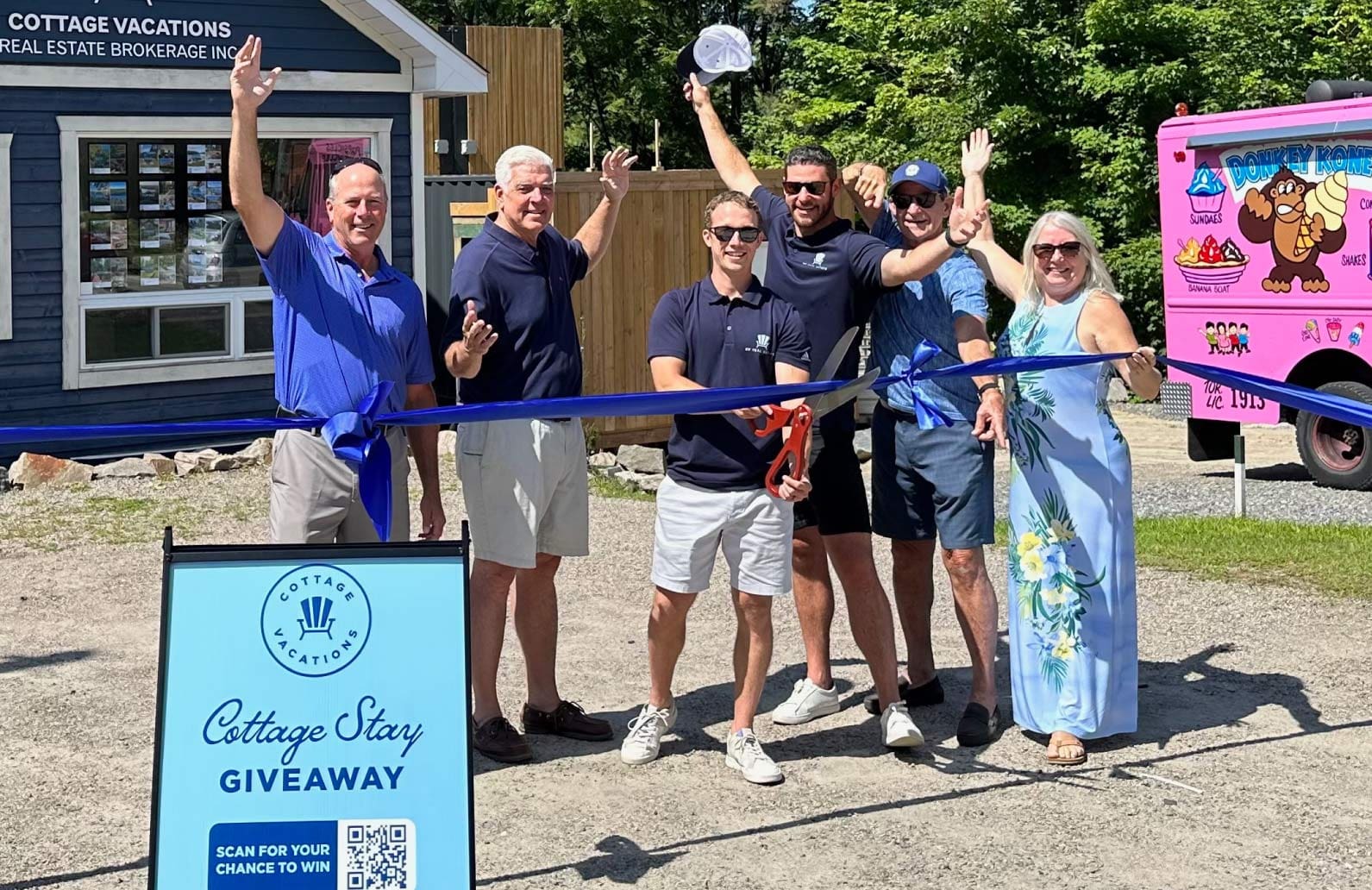
Meet The Team
We’re cottage country enthusiasts and vacation property experts, helping renters, buyers, and sellers reach their goals for more than 20 years.