Selling an inherited cottage in Ontario means navigating estate settlement, capital gains tax on the property’s appreciation, and often complex family dynamics, on top of the usual demands of a real estate sale. CV Real Estate has guided sellers through inherited cottage transactions across Muskoka, Haliburton, Georgian Bay, Parry Sound, and the Kawarthas, and this article covers the questions that come up most often in those situations.
Has Inheriting a Cottage Left You with More Questions Than Answers?
Losing a parent or family member who owned a cottage in Ontario often means inheriting not just a property but decades of family memory, unresolved sibling dynamics, a property in need of assessment, and a set of legal and tax obligations that most beneficiaries have never navigated before. The cottage may have been in the family for fifty years. It may be the place where every summer was spent, where the children grew up, and where the family gathered every long weekend. Deciding what to do with it is rarely a purely financial decision.
At the same time, the practical realities of inheriting waterfront property in Ontario are significant. Property taxes, insurance, maintenance costs, and shared ownership responsibilities among multiple beneficiaries can make retaining the cottage complicated and expensive. For many families, selling is the right decision, but knowing how to navigate the process, what the tax implications are, and how to handle the transaction with care is not straightforward.
This guide addresses the questions CV Real Estate consistently hears from families selling an inherited cottage in Ontario, covering the process, the tax considerations, the timing, and the steps that make the transaction smoother.
What This Guide Covers for Inherited Cottage Sellers in Ontario
This guide walks through the key steps involved in selling an inherited cottage in Ontario, including the estate settlement process, capital gains tax implications, timing considerations, property preparation, and how to handle shared ownership when multiple beneficiaries are involved.
CV Real Estate has represented families selling inherited waterfront properties across Ontario cottage country for over 25 years. The team works sensitively with beneficiaries who are navigating both the practical and emotional dimensions of these transactions. Sellers can review the team’s approach and track record through the sold listings archive.
The information in this guide is general in nature. Every estate is different, and the legal and tax details of an inherited property sale depend on circumstances specific to the deceased owner’s estate. Working with a qualified estate lawyer and accountant alongside a real estate agent experienced in inherited cottage transactions is strongly recommended.
What Are the Key Steps Involved in Selling an Inherited Cottage in Ontario?
Selling an inherited cottage in Ontario follows a sequence that begins with estate settlement and property transfer before any listing or sale activity can take place. Beneficiaries cannot list or sell a property until legal ownership has been transferred to them or to the estate trustee with authority to sell.
What Happens to a Cottage During the Estate Settlement Process?
When a cottage owner passes away, the property becomes part of their estate and is subject to Ontario’s estate administration process. If the deceased had a valid will, an estate trustee named in the will has authority to manage and dispose of estate assets, including real property. If there was no will, a court-appointed administrator takes on that role. The property cannot be listed for sale until the estate trustee has the legal authority to act, which may require a Certificate of Appointment of Estate Trustee from the Ontario Superior Court of Justice.
The estate settlement timeline in Ontario varies based on the complexity of the estate, whether the will is contested, and how quickly administrative steps can be completed. Straightforward estates where the will is clear and uncontested can move relatively quickly. Contested estates or those involving multiple beneficiaries with disagreements can take considerably longer. Understanding where the estate is in this process is the starting point for any conversation about selling.
What Are the Capital Gains Tax Implications of Selling an Inherited Cottage?
Capital gains tax is a significant consideration in the sale of an inherited cottage in Ontario. When a property owner passes away, the Canada Revenue Agency treats the property as if it were sold at fair market value at the time of death. This deemed disposition creates a capital gain based on the difference between the fair market value at death and the original adjusted cost base of the property. The estate pays taxes on this deemed gain through the final tax return of the deceased.
When the beneficiaries subsequently sell the inherited property, capital gains tax applies again on any appreciation from the fair market value at the time of inheritance to the actual sale price. If the cottage was a principal residence for the deceased at any point, a partial principal residence exemption may reduce the taxable gain. The tax implications are property-specific and beneficiary-specific, and calculating them accurately requires a qualified accountant familiar with Ontario estate and property taxation.
How Does Shared Ownership Among Multiple Beneficiaries Affect the Sale?
Inherited cottages are frequently left to multiple beneficiaries, such as siblings, and this creates a shared ownership situation that requires all parties to agree before the property can be sold. If all beneficiaries agree to sell and are aligned on timing, pricing, and the choice of agent, the process moves forward in a reasonably straightforward way. If beneficiaries disagree on whether to sell, when to sell, or how to price the property, the situation becomes more complex and may ultimately require legal intervention.
Clear and early communication among beneficiaries about their respective goals, financial needs, and emotional attachments to the property is the most effective way to prevent a shared inherited cottage from becoming a source of prolonged family conflict. In some cases, a beneficiary who wishes to retain the property can buy out the others at fair market value, preserving the property within the family while resolving the ownership question.
When Is the Right Time to Sell an Inherited Cottage in Ontario?
The right time to sell an inherited cottage depends on how quickly the estate settles, the current seasonal market conditions in the property’s lake and region, and the practical readiness of the property itself. If the estate settles in winter and the property needs preparation work, targeting a spring listing is typically the strongest strategy. If the estate settles mid-year, fall may provide a more realistic and still effective window. Rushing a listing before the property is properly prepared or before the estate is fully settled creates avoidable complications.
How Does CV Real Estate Support Families Selling an Inherited Cottage?
CV Real Estate approaches inherited cottage transactions with the understanding that these sales carry emotional weight that a standard property transaction does not. The team works at a pace that respects where the family is in both the estate process and their own grieving, while still providing the strategic guidance needed to achieve a strong outcome.
The practical support CV Real Estate provides includes a full market valuation for the inherited property based on current comparable sales in the specific lake or region, preparation guidance covering the steps that will support the asking price without requiring unnecessary expenditure, and coordination with the estate trustee and beneficiaries throughout the transaction. Families working with CV Real Estate receive a single point of contact for the full process from initial assessment through to closing.
For inherited properties that have generated rental income through a platform such as Cottage Vacations, CV Real Estate can present documented rental performance data to prospective buyers, expanding the pool to include investors and income-motivated purchasers. This is particularly relevant for Muskoka and Georgian Bay properties where short-term rental demand is strong.
Why Do Families Choose CV Real Estate for Inherited Cottage Sales?
CV Real Estate’s experience with inherited waterfront property transactions means the team is familiar with the specific complications that arise in these situations: shared ownership disagreements, estate trustee timelines that affect listing dates, properties that have not been actively maintained in the final years of the owner’s life, and the emotional sensitivities that affect how beneficiaries engage with the sale process.
The team’s regional depth across Lake Muskoka, Lake Rosseau, Lake of Bays, Lake Joseph, Georgian Bay, Haliburton, and Parry Sound means that beneficiaries receive advice grounded in the actual current conditions of their specific lake market. Regional market context for these areas is available through the CV Real Estate community guides.
Beneficiaries who are unsure whether selling or retaining the cottage is the right decision can use the sell or rent resource to work through the financial and lifestyle considerations that apply to their situation before making a commitment.
Moving Forward with the Sale of an Inherited Ontario Cottage
Selling an inherited cottage in Ontario is rarely simple, but it does not have to be overwhelming. The process becomes manageable when the estate settlement steps are understood, the tax implications are assessed by a qualified professional, and the family has aligned on a clear decision and timeline. Working with a real estate agent who has direct experience with inherited waterfront transactions removes much of the uncertainty from the property side of the process.
CV Real Estate has guided families through inherited cottage sales across Muskoka, Haliburton, Georgian Bay, Parry Sound, and the Kawarthas. The team provides market valuations, preparation guidance, and full-service representation from first conversation through to closing, with the sensitivity and patience that these transactions require.
Families ready to begin exploring the sale of an inherited cottage are welcome to book a selling call with the CV Real Estate team. The initial conversation is no-obligation and covers the property’s current market position, the steps required before listing, and any questions about the sale process specific to your situation.
Get Trusted Guidance for Selling an Inherited Ontario Cottage
Selling an inherited cottage involves more than listing a property; it requires navigating estate timelines, tax considerations, and family decisions with confidence. Connect with CV Real Estate for a no-obligation consultation to understand your property’s market value, prepare for the sale, and move through the process with experienced waterfront guidance.
Frequently Asked Questions
1. Do I have to pay capital gains tax when I sell an inherited cottage in Ontario?
Capital gains tax typically applies when you sell an inherited cottage in Ontario. You will be taxed on the difference between the fair market value of the property at the time you inherited it and the price at which you ultimately sell it. The estate of the deceased will have already been assessed for a deemed disposition at the time of death. The exact tax calculation depends on your individual circumstances, including whether any principal residence exemption applies, and should be determined with a qualified accountant.
2. Can I sell an inherited cottage before the estate is fully settled?
A property cannot typically be listed or sold until the estate trustee has legal authority to act on behalf of the estate. In Ontario, this may require obtaining a Certificate of Appointment of Estate Trustee from the Superior Court of Justice if one is not already in place. The estate does not need to be fully and finally settled before a sale closes, but the legal authority to sell must be established first. Your estate lawyer will advise on the specific steps required for your situation.
3. What happens if one sibling wants to sell the inherited cottage and another does not?
When beneficiaries disagree on whether to sell a jointly inherited property, the resolution options include negotiation and compromise, a buyout arrangement where one beneficiary purchases the others’ shares at fair market value, or in cases where agreement cannot be reached, a legal process called a partition application that can compel the sale of jointly owned property through the Ontario court system. Early and honest communication among beneficiaries is the most effective way to prevent this situation from escalating.
4. Should I renovate an inherited cottage before selling it?
Major renovations on an inherited cottage before selling are rarely advisable because they consume time and money that the market may not fully return, and they delay the listing. Targeted preparation, including addressing deferred maintenance that would create buyer objections such as septic compliance or dock condition, is worthwhile. A professional market assessment will identify which specific issues are likely to affect offers and which can be disclosed and priced in rather than repaired before listing.
5. How long does it typically take to sell an inherited cottage in Ontario?
The total timeline for selling an inherited cottage in Ontario includes both the estate settlement period and the property transaction itself. Estate administration in Ontario can take anywhere from several months to over a year depending on complexity. Once the property is ready to list, the sale timeline depends on market conditions, the season, and how the property is priced and presented. Well-prepared properties listed in a strong seasonal window on desirable lakes can sell within weeks. Properties in less competitive markets or listed outside peak windows may take longer.
Key Takeaways
- A cottage cannot be listed for sale until the estate trustee has legal authority to act, which may require court-issued documentation in Ontario.
- Capital gains tax applies to the appreciation in the cottage’s value from the time of inheritance to the date of sale, and should be calculated with a qualified accountant.
- If the property was a principal residence for the deceased at any point, a partial principal residence exemption may reduce the taxable gain.
- Multiple beneficiaries must agree before a jointly inherited property can be sold. A buyout arrangement is one option when beneficiaries disagree.
- Targeted preparation addressing deferred maintenance is advisable before listing. Major renovations rarely produce a full return and delay the process.
- Spring is typically the strongest selling window for most cottage types, but the estate timeline and property readiness should guide the actual listing date.
- Working with an agent experienced in inherited waterfront transactions removes much of the uncertainty from the property side of an already complex process.
Meet The Team
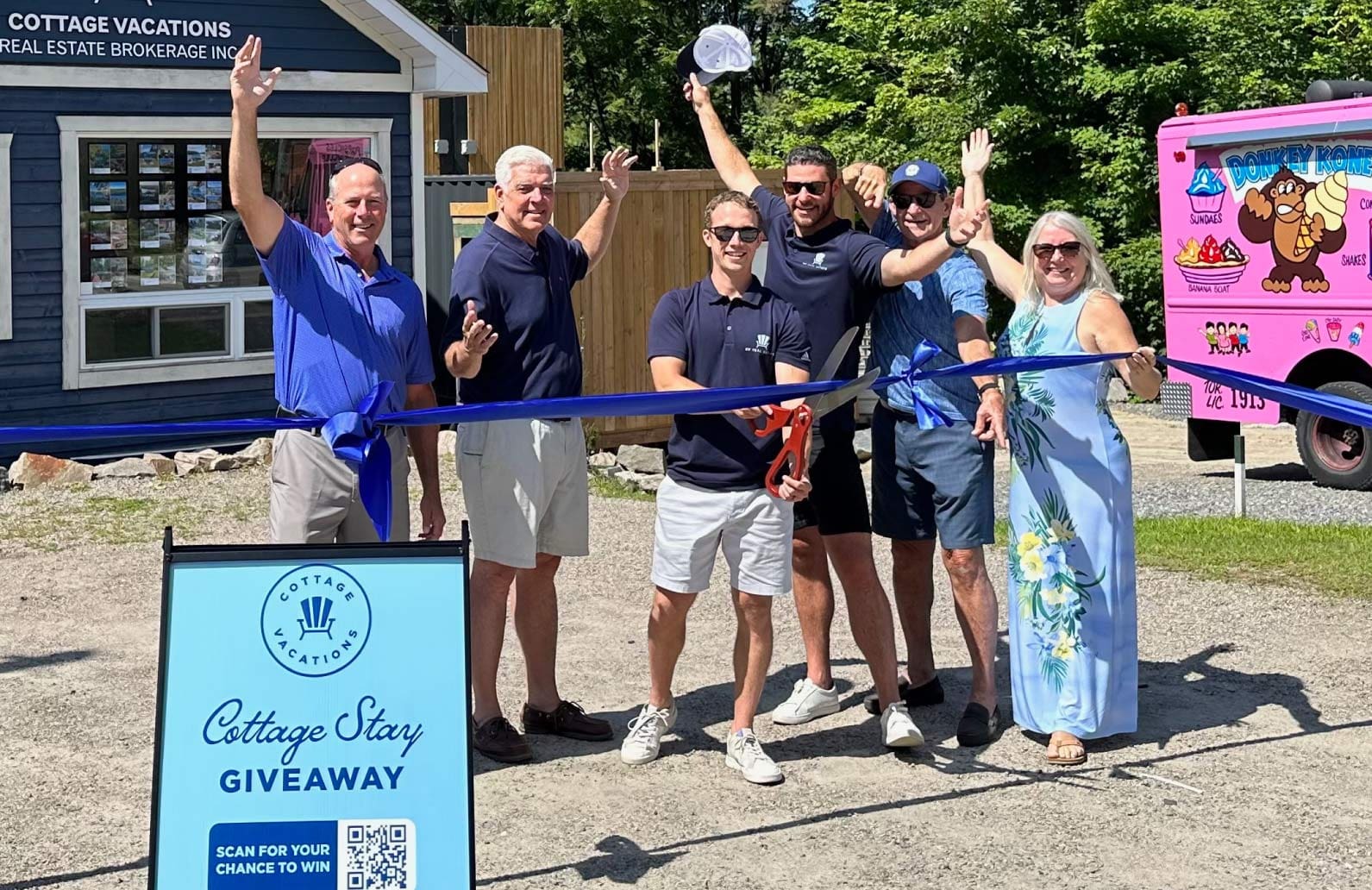
We’re cottage country enthusiasts and vacation property experts, helping renters, buyers, and sellers reach their goals for more than 20 years.