
Staging a cottage for sale is not about making it look like a showroom. It is about removing every distraction that stops a buyer from imagining their own life in the space, on the dock, and on the water. The most effective staging for an Ontario waterfront cottage focuses on outdoor living areas, the approach to the water, and clear, uncluttered interiors that let the lake do the work. CV Real Estate guides sellers through a property preparation process grounded in what buyers in the Muskoka, Haliburton, Georgian Bay, and Kawarthas markets actually respond to.
Are You Making It Easy for Buyers to Fall in Love with Your Cottage?
A buyer drives two hours from Toronto, turns down a gravel road, and pulls up to your cottage for the first time. In the next ninety seconds, before they step inside or walk to the water, they have already formed an impression that will colour everything they see and feel for the rest of the show. That first impression is not built by the kitchen backsplash or the en suite bathroom. It is built by the driveway, the exterior, the path to the dock, and whether the whole property feels cared for and welcoming.
Cottage buyers purchase with emotion. They are not evaluating square footage and commute times. They are asking themselves whether they can see their family spending summers here for the next twenty years. Every piece of clutter, every broken dock board, every overgrown path that obscures the view of the water is a small friction that pulls them out of that imagination. Staging removes those frictions deliberately and systematically.
Most sellers focus their preparation energy on the inside of the cottage. Most of what drives offers in Ontario’s waterfront market happens outside. This guide covers both, starting with where it matters most.
What Cottage Staging Actually Covers in Ontario’s Waterfront Market
This guide covers the specific staging steps that move the needle for Ontario waterfront and cottage property sales, from the exterior approach and water access through to interior preparation and photography readiness. Each recommendation is grounded in what buyers in Muskoka, Haliburton, Georgian Bay, Parry Sound, and the Kawarthas consistently respond to at showings and in offer decisions.
CV Real Estate has represented cottage sellers across Ontario’s recreational property market for over 25 years. The staging guidance the team provides reflects patterns observed across hundreds of waterfront transactions. Sellers working with CV Real Estate receive a property-specific preparation checklist before listing, covering each of the areas described in this guide.
Staging a cottage is not a single weekend task. The recommendations below are organized by area and sequenced so that sellers can work through preparation methodically, starting three to four months before their target listing date.
What Are the Most Important Areas to Stage When Selling a Cottage?
The most important areas to stage when selling an Ontario cottage are the waterfront approach, the dock and shoreline, the main outdoor living area, and the primary interior spaces. Buyers form their emotional connection to a property at the water before they ever open the front door.
How Should Sellers Prepare the Waterfront and Dock Area?
The dock and shoreline are the first things buyers walk to at a cottage showing, often before looking at anything inside. A dock with loose boards, faded decking, rusted hardware, or weathered furniture signals deferred maintenance and creates immediate uncertainty. Replacing worn boards, treating or painting decking surfaces, and replacing any hardware that shows significant rust or wear is one of the highest-return investments a cottage seller can make before listing.
The path from the cottage to the water should be clear, safe, and well-defined. Overgrown vegetation along the path, loose stepping stones, or an unclear route to the dock all reduce the buyer’s ability to picture themselves making that walk easily and often. Shoreline vegetation should be tidied to the extent that zoning and shoreline protection regulations permit, with current rules available through the Government of Ontario, and with attention to any visual obstructions that block the lake view from the cottage deck or main windows.
What Outdoor Living Staging Steps Drive the Strongest Buyer Response?
The main deck, screened porch, or outdoor dining area is where buyers mentally spend most of their time at a cottage showing. Staged outdoor furniture that is clean, cohesive, and appropriately sized for the space helps buyers picture summer meals, evening conversations, and morning coffee with a lake view. Mismatched furniture, cracked plastic chairs, or a deck that feels cluttered with tools, life jackets, and seasonal equipment undercuts the lifestyle image the property needs to project.
Outdoor lighting is frequently overlooked and consistently effective. String lights or pathway lighting along the route to the water, solar lanterns on the dock, and well-positioned deck lighting all create an atmosphere that photographs strongly and reads immediately in person. Buyers viewing a property in spring, when evenings are still cool, respond strongly to outdoor spaces that feel warm and inviting.
How Should Sellers Approach Interior Staging for a Cottage?
Interior staging for a cottage differs from urban home staging in one important way: buyers expect and often prefer a rustic, characterful interior that feels authentically connected to the lake lifestyle. Aggressively modernising a cottage interior to match urban design trends can work against the property by making it feel generic rather than distinctive. The goal is a clean, functional, inviting interior that supports the lifestyle story the exterior has already started to tell.
Decluttering is the single most impactful interior staging step. Decades of cottage accumulation, from spare life jackets and children’s water toys to old board games and mismatched kitchenware, fills space and shrinks rooms visually. Removing everything that does not serve the space during a showing creates a sense of roominess and calm. Deep cleaning, particularly of bathrooms, the kitchen, and any area near the water entry point, removes the sensory signals that make buyers hesitant. Buyers who want to experience a cottage before committing can also access CV Real Estate’s Try Before You Buy program, which gives them direct experience of cottage living, a reality that makes them far more discerning about presentation quality and condition when evaluating a purchase.
What Documentation Should Be Ready Before Staging Is Complete?
Documentation is a form of staging that buyers never see directly but that their agents and lawyers will ask for immediately once interest is established. Sellers should have a current septic inspection certificate meeting standards set by the Ministry of the Environment, , a recent well water quality test result where applicable, any dock or boathouse permits on file, a current survey, and records of any significant renovations or system upgrades completed in the past five to ten years. What closing documentation buyers and their lawyers will request in an Ontario cottage transaction is consistent across most waterfront sales and having it prepared in advance removes the most common buyer objections and supports a cleaner, faster transaction.
How Does CV Real Estate Support Sellers Through Property Preparation?
CV Real Estate provides sellers with a property-specific preparation plan before listing, identifying which staging investments are most likely to support the asking price and which areas buyers in the current market are most focused on. The team’s recommendations are calibrated to the seller’s target price range and the expectations of buyers active on their specific lake.
Sellers can review the range of waterfront properties CV Real Estate has represented in the featured listings archive, which reflects the presentation standards the team consistently applies across cottage country.
Professional photography is coordinated through CV Real Estate’s selling process and takes place after staging is complete. Photography for waterfront properties should capture the lake view from inside, the approach to the water, the dock with the lake visible behind it, and any key outdoor living areas in the best available light. Aerial drone photography is recommended for properties where the waterfront position, lot size, or proximity to amenities is a meaningful part of the value story, and any drone operator engaged should fly in compliance with Transport Canada’s rules for recreational and commercial drone use.
Why Do Ontario Cottage Sellers Prepare Differently with CV Real Estate?
CV Real Estate’s preparation guidance for sellers is not a generic checklist. It is a specific assessment of what the current buyer pool for that property type and lake region responds to most strongly, informed by the team’s active presence in the market and by real buyer feedback from ongoing showings.
The team’s sold listings record reflects cottage properties that were prepared, presented, and priced in a way that generated competitive offers. The pattern across those transactions is consistent: properties that were prepared thoroughly before listing received stronger, faster offers than those that entered the market without a clear staging strategy.
Sellers who want regional context on what buyers are expecting in specific lakes and communities can explore the CV Real Estate community guides for Muskoka, Haliburton, Georgian Bay, and other cottage country regions.
Preparing Your Cottage to Make the Right First Impression
Staging a cottage for sale in Ontario is not about spending the most money on renovations. It is about investing preparation time and budget in the areas that buyers notice first and remember longest: the water approach, the dock, the outdoor living space, and a clean and calm interior that lets the property’s setting speak for itself.
Sellers who prepare thoroughly before listing consistently generate stronger offers, experience fewer conditional delays, and close faster than those who list without a clear preparation strategy. The work done before the listing goes live shapes every conversation that follows.
CV Real Estate guides cottage sellers through preparation, pricing, and presentation from first conversation through to closing. Book a selling call with the team to discuss your property, your timeline, and the specific preparation steps that will position your cottage for the strongest possible outcome.
Prepare Your Ontario Cottage to Make a Lasting First Impression
The right staging strategy can make all the difference when selling your Ontario cottage. Connect with CV Real Estate for expert advice on preparing your waterfront property, showcasing its best features, and creating a presentation that attracts qualified buyers and supports a stronger sale price.
Frequently Asked Questions
1. How much should I spend on staging a cottage before selling?
The staging budget for a cottage should be focused on the highest-return areas: dock and shoreline presentation, outdoor living furniture and lighting, deep cleaning, and decluttering. For most properties, these areas require investment in the low thousands of dollars and consistently return multiples of that in buyer confidence and offer strength. Our guide to cottage rental ROI in Ontario illustrates the relationship between property presentation quality and income performance. The same presentation investments that attract higher-paying renters are the ones that drive stronger sale prices from lifestyle and investor buyers alike. Major interior renovations rarely produce a full return in the cottage market; targeted presentation improvements almost always do.
2. Should I renovate my kitchen or bathroom before selling a cottage?
Major kitchen or bathroom renovations before selling a cottage rarely produce a full return on investment and can delay a listing by weeks or months. Buyers in the cottage market are purchasing the setting and lifestyle first. Our guide to what first-time cottage buyers prioritize when evaluating a property makes clear that the transition from renting to owning a cottage is driven overwhelmingly by the outdoor experience, the water, and the community, not by kitchen finishes. A clean, functional kitchen and bathroom that have been thoroughly cleaned and decluttered will serve the sale well. If specific items are clearly broken or code-non-compliant, addressing those is worthwhile. Full renovation projects are generally better left to the buyer.
3. Does the condition of the dock affect how quickly a cottage sells?
Dock condition directly affects buyer confidence and offer terms. A dock that is structurally sound, clean, and well-maintained signals a property that has been cared for overall. A dock that shows visible damage, rot, or deferred maintenance creates uncertainty that buyers price into their offers through price reductions or extended inspection conditions. Addressing dock conditions before listing is one of the most impactful and typically most cost-effective preparation steps available.
4. When should I start staging a cottage I plan to sell?
Staging preparation for a cottage should begin three to four months before the target listing date. This allows enough time to complete any maintenance or repair work, schedule professional photography while the property is at its best, gather the documentation buyers and their agents will request, and have the property in market-ready condition before the listing goes live. Sellers targeting a spring listing should begin preparation in November or December.
5. Does professional photography make a meaningful difference for cottage listings?
Professional photography is one of the highest-return investments a cottage seller can make. The majority of buyers begin their search online, and the quality of listing photographs determines whether they book a showing or scroll past. Waterfront properties require photography that captures the lake view, the dock setting, and the outdoor living areas in a way that communicates the lifestyle value of the property. Drone aerial photography is particularly effective for lots where waterfront position or lot size is a key part of the value story.
Key Takeaways
- The most impactful staging areas for an Ontario cottage are the dock and waterfront approach, the outdoor living space, and a clean and decluttered interior.
- Buyers in the cottage market purchase with emotion and lifestyle intent. Staging removes distractions that pull them out of that imagination.
- Dock condition is one of the single most influential factors in buyer confidence and offer terms. Address it before listing.
- Interior staging for cottages should emphasise cleanliness and space rather than aggressive modernisation, which can feel out of place and generic.
- Documentation including septic records, water quality results, and permits should be prepared alongside physical staging to remove common buyer objections.
- Professional photography, including aerial drone coverage, is a high-return investment for waterfront listings where setting and outdoor areas drive the sale.
- Staging preparation should begin three to four months before the target listing date to allow time for repairs, photography, and documentation gathering.
Meet The Team
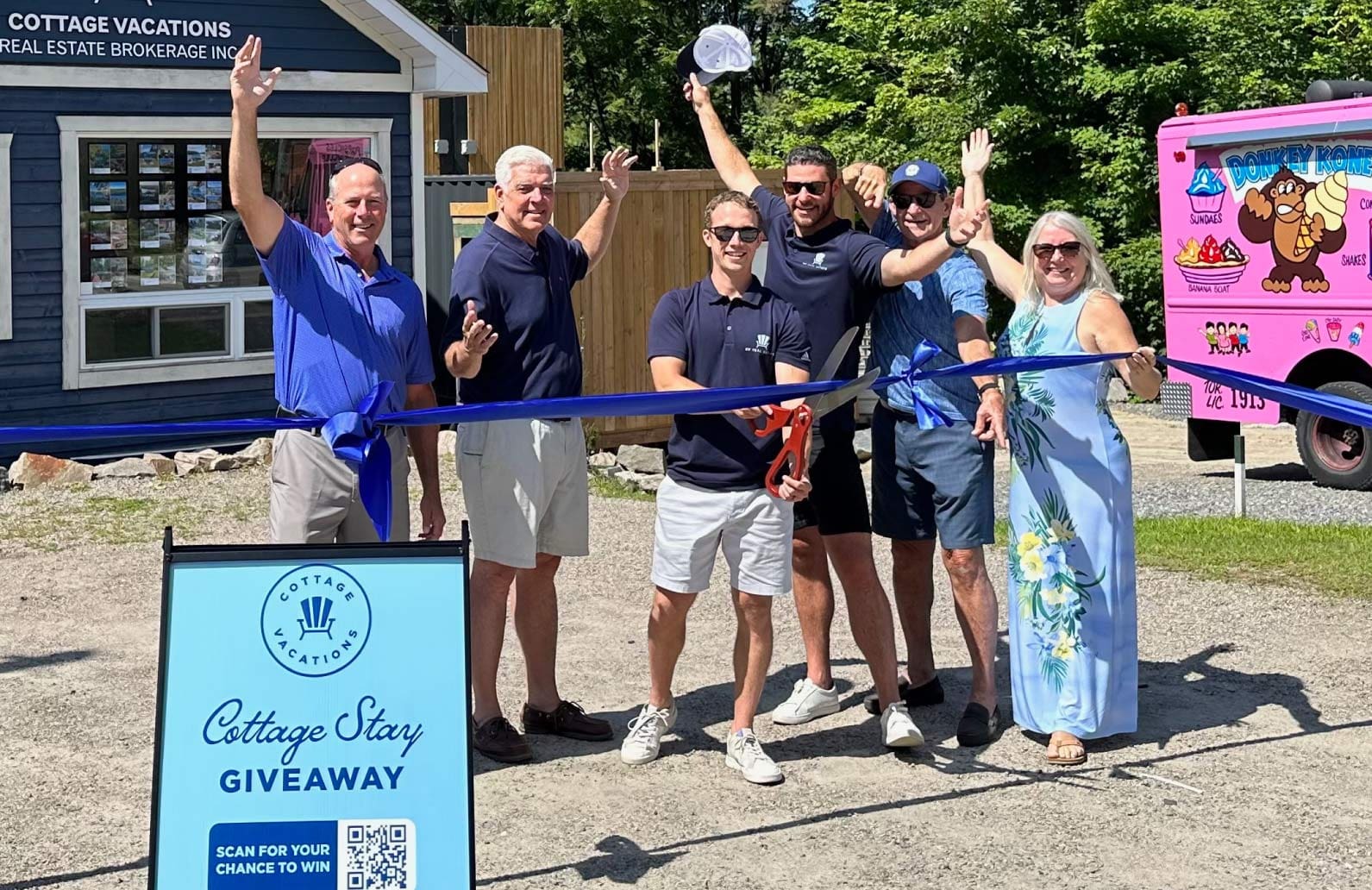
We’re cottage country enthusiasts and vacation property experts, helping renters, buyers, and sellers reach their goals for more than 20 years.