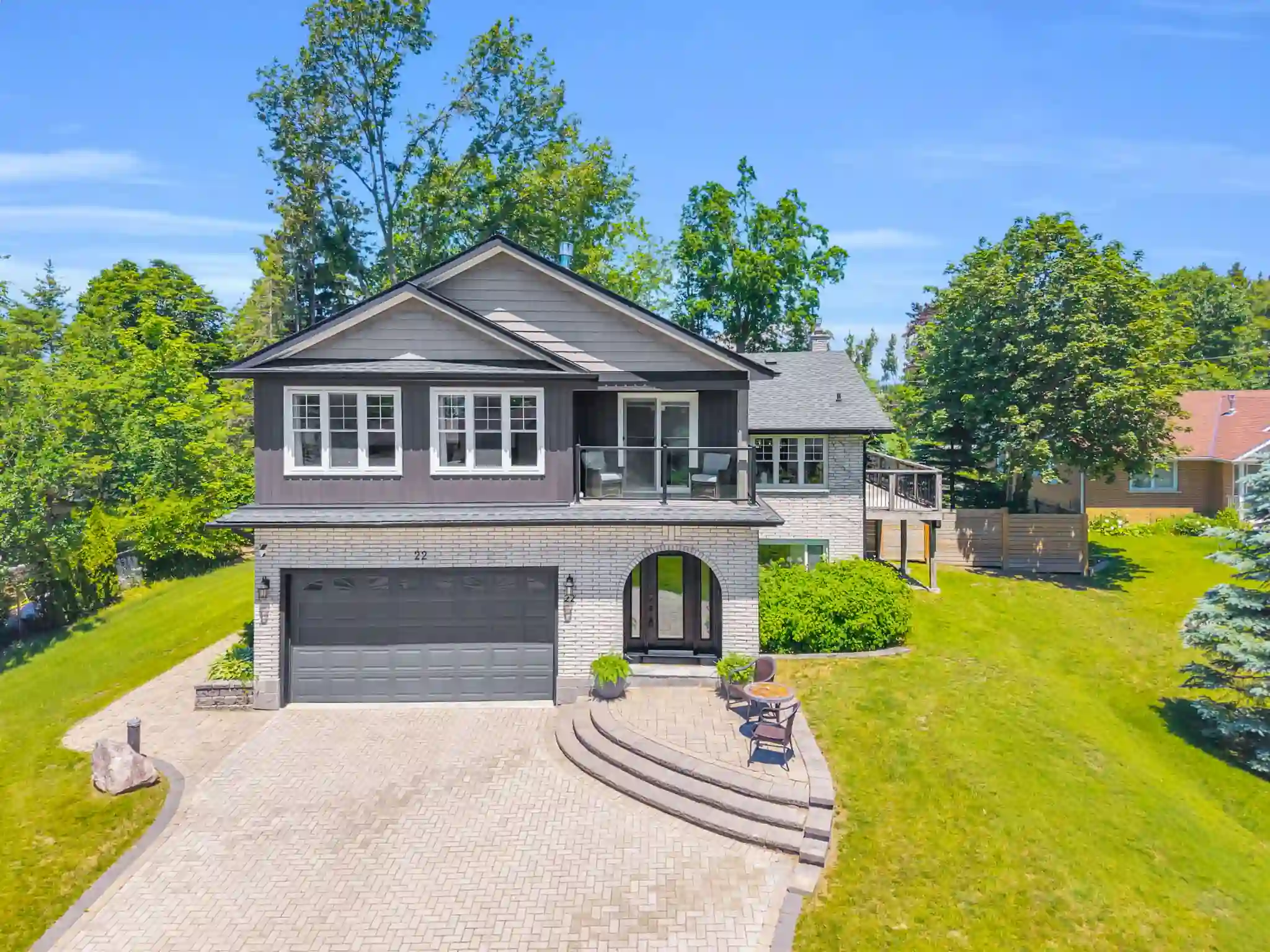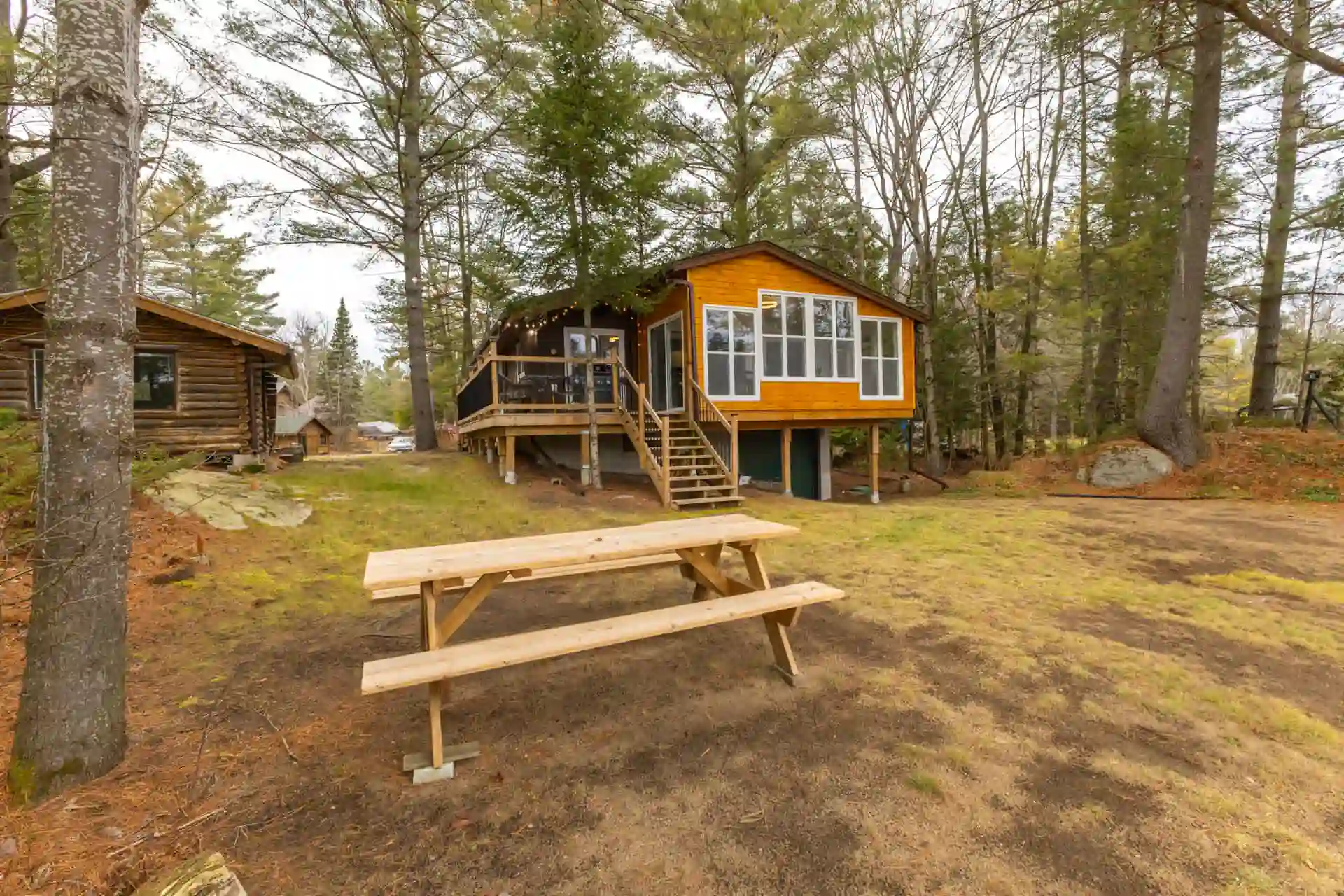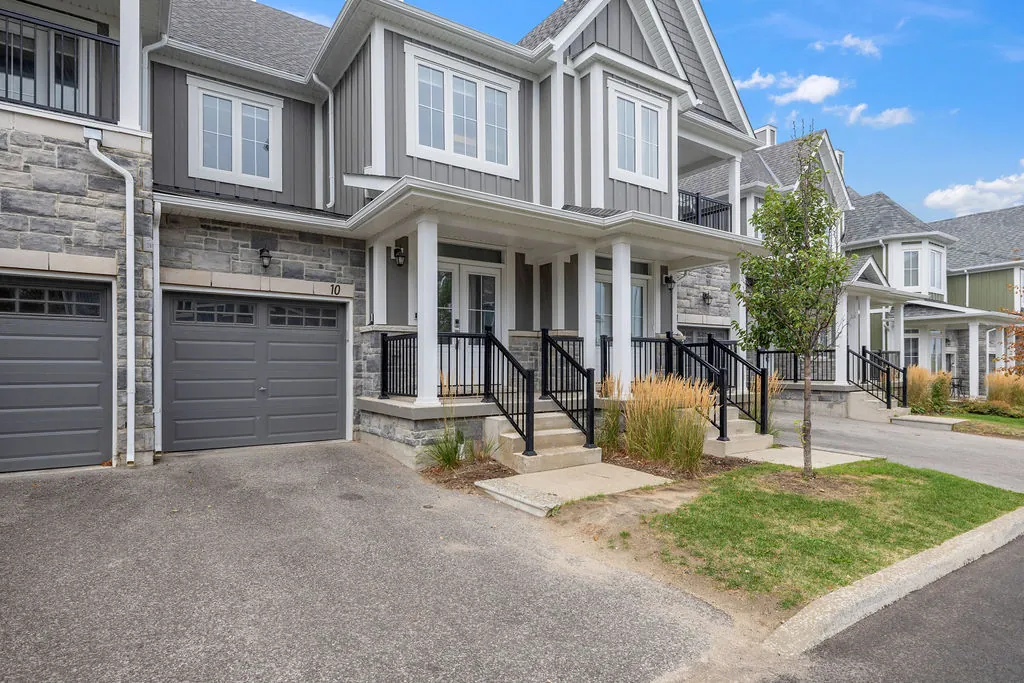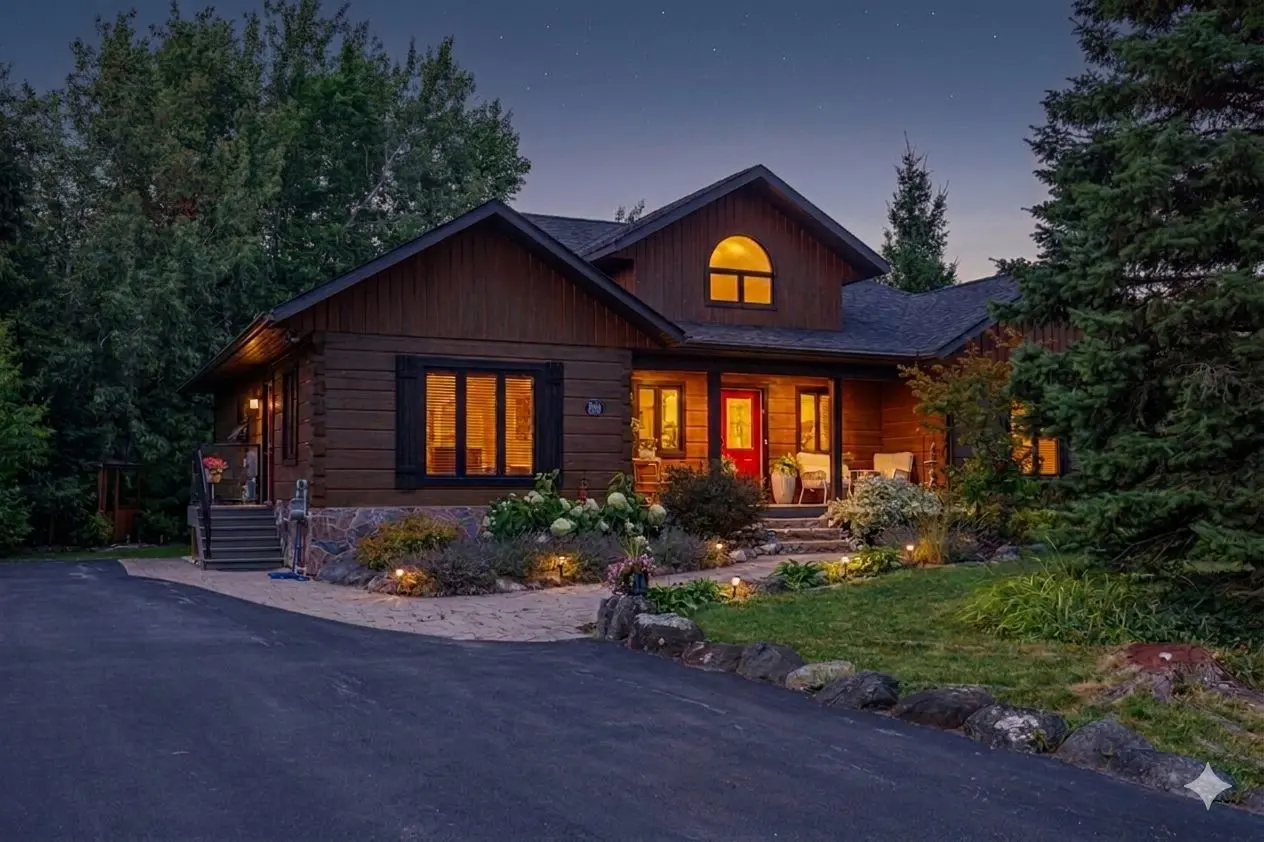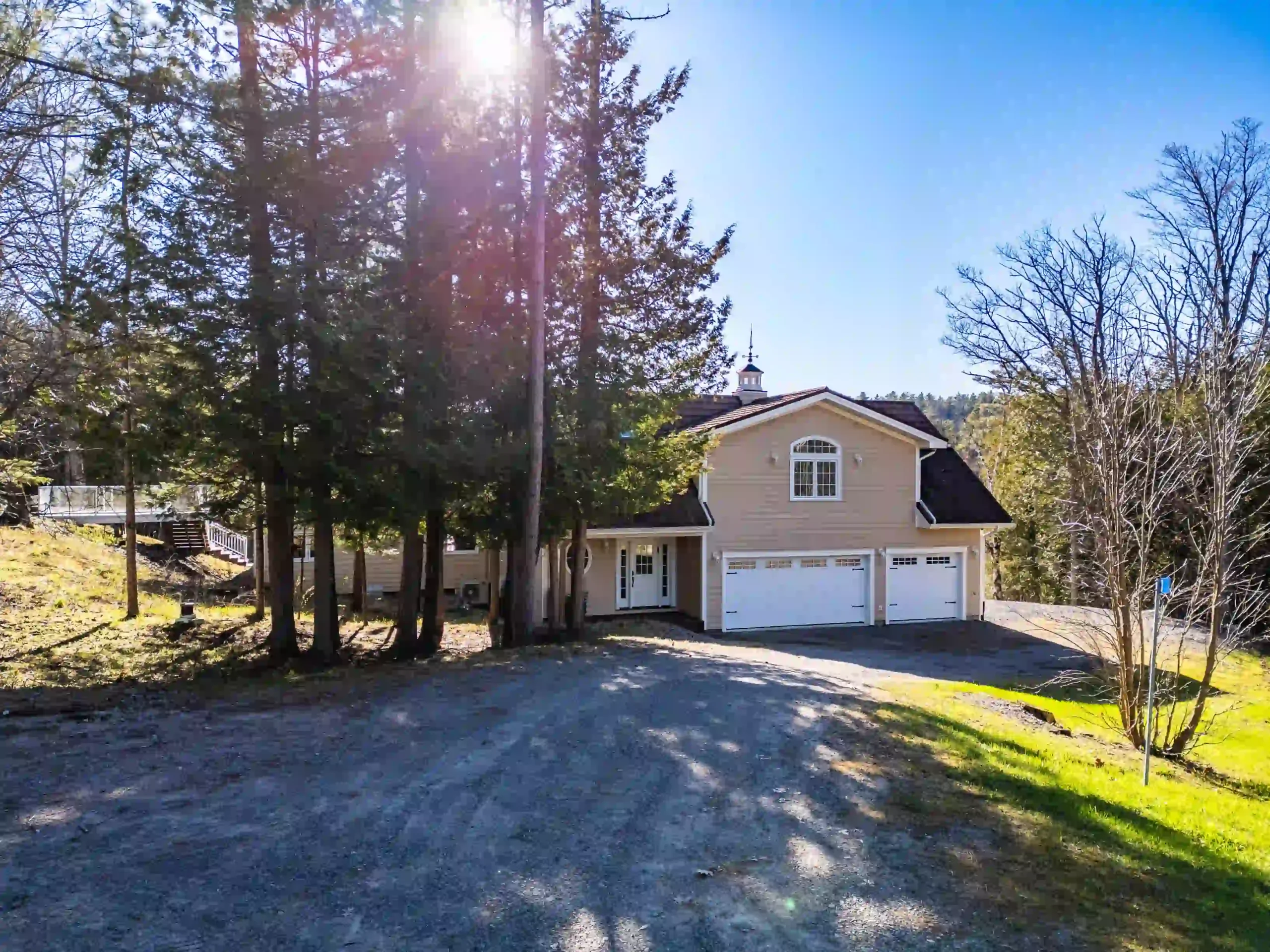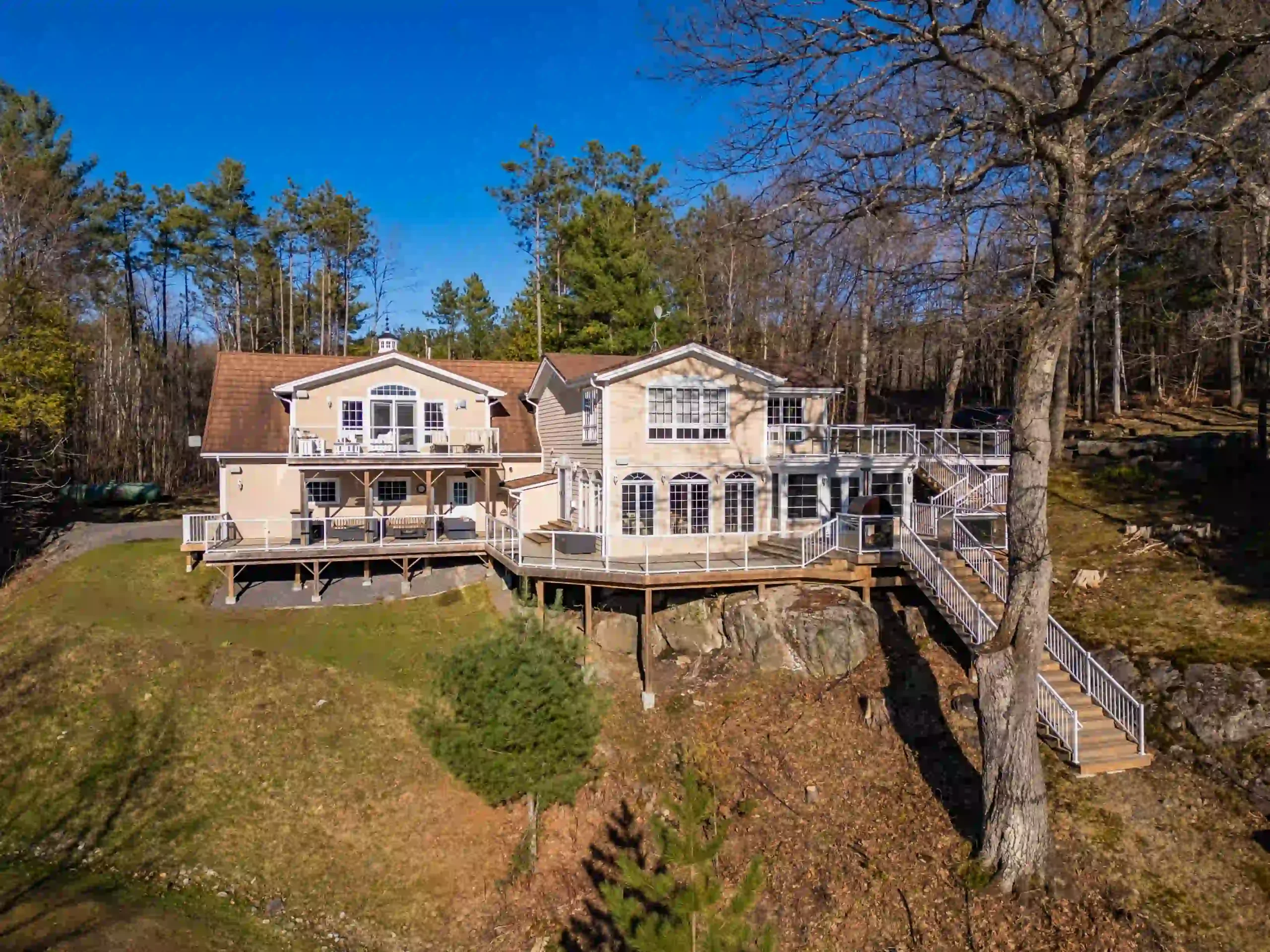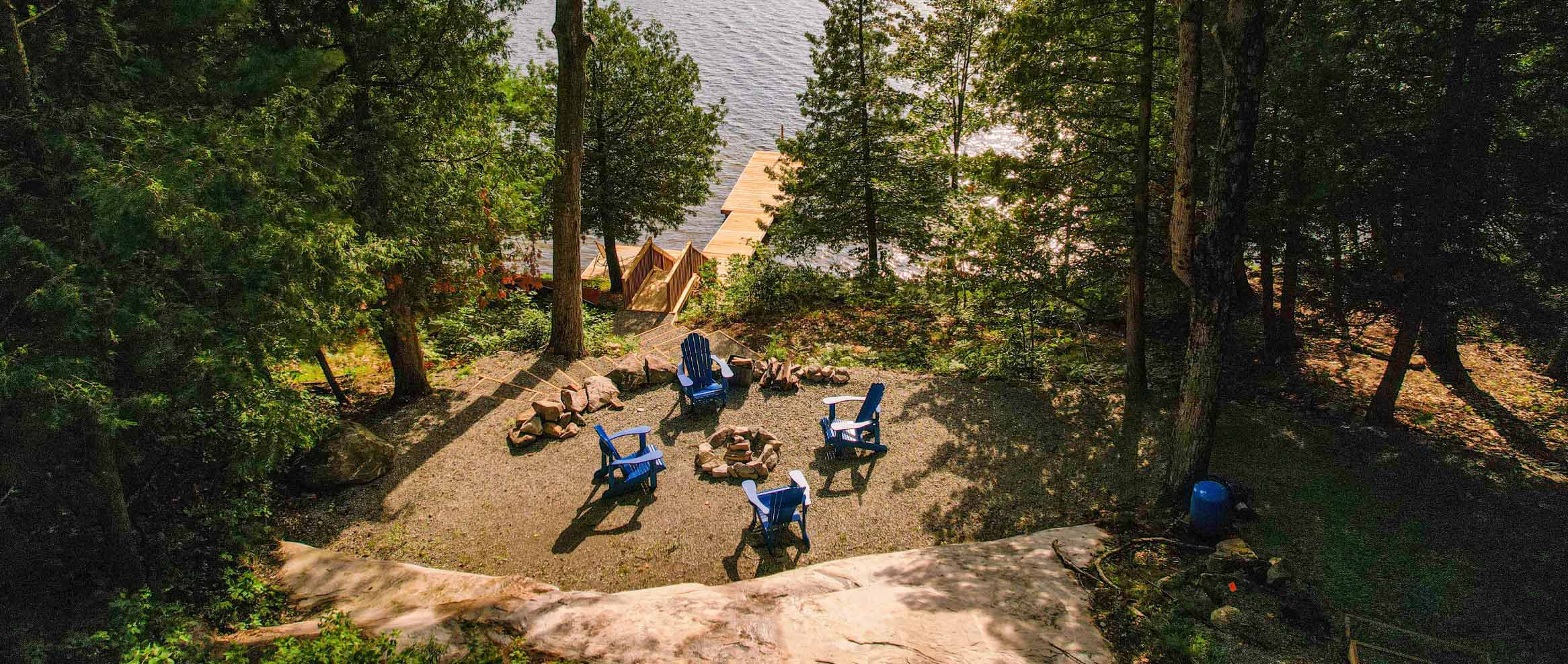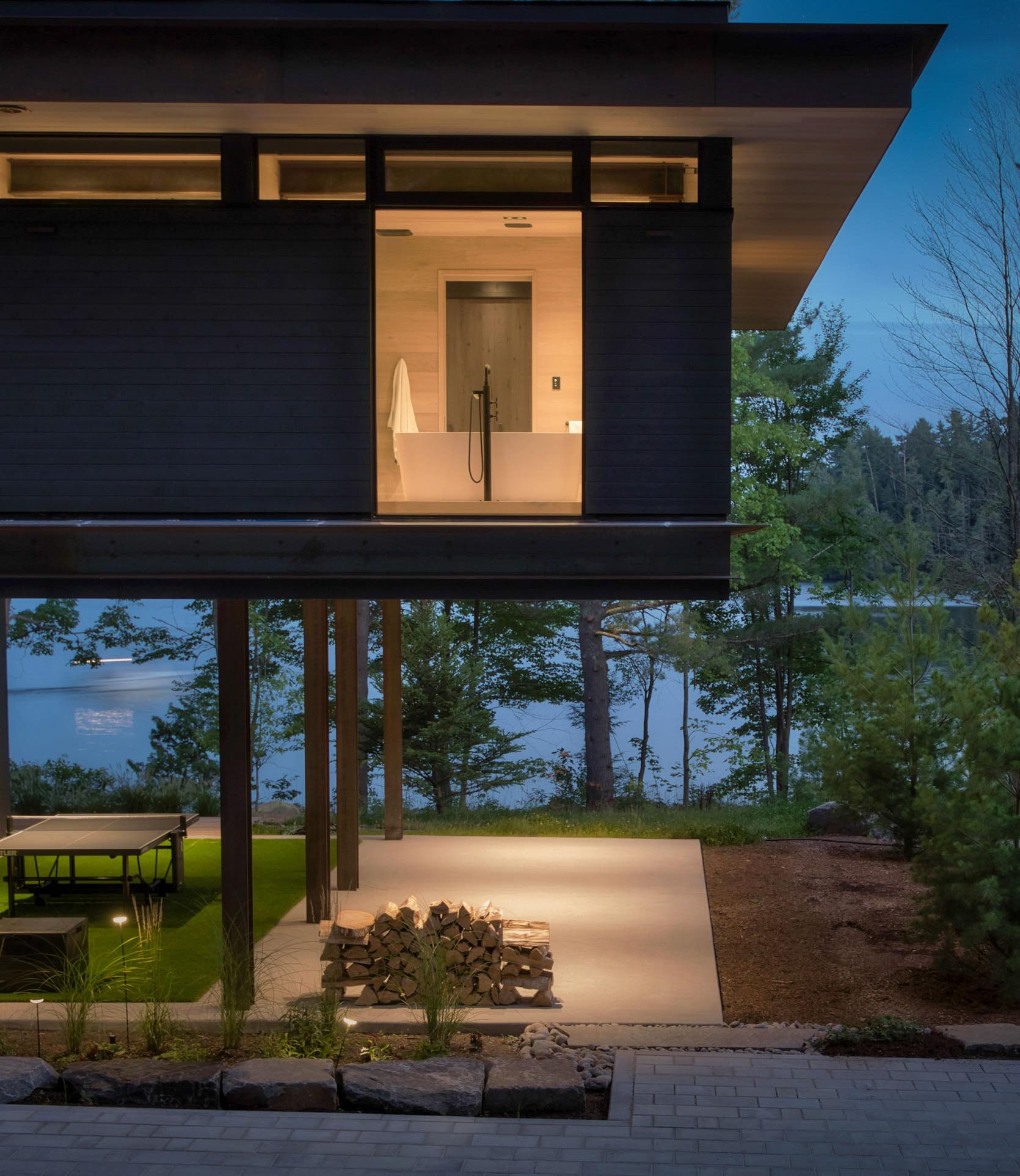
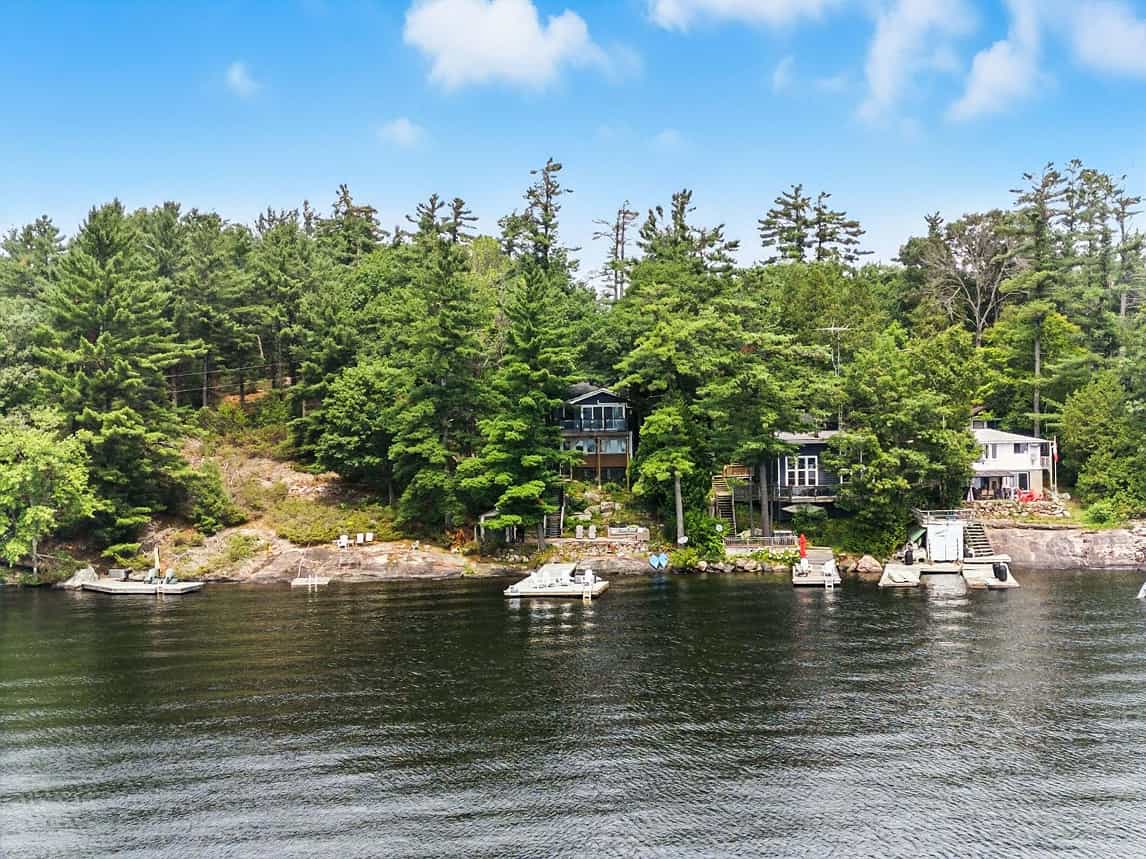
The shift to remote and hybrid work beginning in 2020 fundamentally changed how Ontario buyers use cottage country, turning many waterfront properties into viable co-primary residences. This removed the traditional commuting constraint, expanding demand beyond weekend and seasonal use to include extended stays throughout the working week. Although some companies have since scaled back remote work, the long-term effect has permanently reshaped demand patterns in Ontario’s cottage real estate market.
The Pandemic Trigger: How Remote Work Changed Buyer Behaviour
The transition to remote work in March 2020 immediately altered the calculation for thousands of Toronto-area professionals who owned or were considering owning a cottage. A property that had been a Friday-to-Sunday retreat became a potential Monday-to-Friday workspace. Instead of maximizing the limited time available at the cottage by arriving late Friday and leaving Sunday afternoon, owners could arrive Sunday and stay through Thursday.
For buyers who had not yet purchased, this shift removed what had been the most significant practical obstacle: the Friday evening traffic and the lost work time that commuting represented. Suddenly, a property two hours north of the city was a viable place to live and work for significant stretches of the year. That realization hit simultaneously across a large cohort of buyers, which is one of the key reasons the Muskoka market moved so dramatically in 2020 and 2021.
Connectivity: The Non-Negotiable Infrastructure Requirement
The single practical requirement that remote work placed on cottage properties was reliable internet connectivity. A property without broadband internet access was not a workable remote office. This requirement reshaped demand in ways that affected specific lakes and communities differently.
Communities with fibre internet or high-speed broadband saw demand increase disproportionately. Properties close to Bracebridge, Huntsville, and Gravenhurst, where municipal infrastructure supported reliable connectivity, attracted buyers who were explicitly seeking a work-from-cottage arrangement. More remote properties on smaller lakes with satellite-only internet options were evaluated differently by the remote work buyer segment than by the purely recreational buyer.
The internet infrastructure gap across cottage country narrowed meaningfully between 2020 and 2025 as provincial investment in rural broadband expanded connectivity to more areas. Properties with reliable high-speed internet are now a specific category that attracts the remote work buyer segment at a premium. Fast, reliable Wi-Fi access was cited as one of the most in-demand features among cottage buyers in 2025 according to Re/Max market research. For buyers evaluating properties on this basis, the featured listings at CV Real Estate include property-specific details that help assess connectivity and year-round suitability.
The Co-Primary Residence: A New Ownership Model
Remote work created a buyer category that did not previously exist in meaningful numbers: the co-primary cottage owner. These are buyers who did not sell their Toronto home but who spent enough time at the cottage that it functioned as an equal or primary residence for portions of the year. This model required properties with different characteristics than the traditional seasonal cottage.
Year-round road access, four-season insulation, reliable heating, larger bedrooms with proper closet and storage space, a dedicated workspace, and high-speed internet all became requirements for the co-primary buyer in a way that they were not for the purely recreational owner. A three-season cottage with a hand pump, no heat, and satellite internet was not a viable co-primary residence.
This demand shift drove meaningful renovation activity as existing cottage owners upgraded their properties for year-round or extended-season use, and it shaped what new buyers were looking for in a purchase. A four-season, turnkey property near a community with services became significantly more valuable than an equivalent seasonal property on the same lake.
Cottage as Primary Residence: The Full Shift
A distinct segment of the pandemic-era buyer pool went further than co-primary ownership and relocated to cottage country entirely, treating the waterfront property as their primary and only residence. This group included young professionals who saw an opportunity to acquire more space and better quality of life than Toronto afforded at comparable cost, as well as pre-retirees who accelerated their timeline.
This trend was confirmed by survey data from multiple sources through 2024 and 2025. A Re/Max survey found that approximately 50 percent of regions surveyed reported a growing number of families pursuing cottages as primary residences, with urban housing costs being a significant driver. Affordability concerns in Toronto and other major Ontario cities were pushing buyers to ask whether cottage country could provide a viable permanent home rather than a recreational supplement.
The Return-to-Office Effect: What Changed and What Remained
The post-pandemic return-to-office movement, which gathered momentum through 2023 and into 2024 as major employers implemented in-person requirements, reduced but did not eliminate the remote work driver in cottage country. Buyers who required five days per week in a Toronto office reverted to the traditional weekend-only cottage relationship. But a significant cohort of hybrid workers who are in the office two or three days per week retain the ability to spend meaningful time at the cottage during the working week.
The permanent normalization of hybrid work arrangements across Ontario’s professional economy means that the remote work buyer segment is not disappearing. It is smaller than at its peak but structurally established in a way it was not before 2020. A property that works for a hybrid worker who commutes to the city on Tuesday and Wednesday and works from the cottage the rest of the week represents a genuinely different use case from a purely seasonal property.
Implications for Buyers Evaluating Cottage Properties Today
For buyers who are working remotely or on a hybrid schedule and considering a cottage as part of that lifestyle, the evaluation criteria differ from the purely recreational buyer. Connectivity, year-round functionality, proximity to services, and the property’s suitability as a workspace alongside its recreational appeal all require specific assessment. The Try Before You Buy program at CV Real Estate was specifically designed to let buyers experience a property under real conditions, including working from it for a week, before committing to a purchase.
Communities near Bracebridge, Huntsville, and Gravenhurst have invested in the infrastructure and services that support year-round residents and remote workers. Smaller communities on more remote lakes may offer a better pure recreational experience but present more practical challenges for buyers whose work life intersects with their cottage life.
A Cottage That Works for How You Actually Live
The best cottage purchase for a remote or hybrid worker is one that was evaluated under realistic working conditions, not just during a Saturday afternoon showing. CV Real Estate’s Try Before You Buy program gives buyers the opportunity to stay in a property, work from it for a week, and assess it honestly before committing. Read what clients have shared in the testimonials section to understand how the process works.
Frequently Asked Questions
1. Did remote work permanently change the Ontario cottage market?
Yes, structurally. While the most extreme remote work adoption of 2020 and 2021 has moderated as employers implemented return-to-office policies, hybrid work arrangements are now standard across much of Ontario’s professional economy. This means a meaningful and persistent segment of cottage buyers has ongoing access to the working week at their properties. The infrastructure investment, the normalization of year-round cottage use, and the co-primary ownership model that emerged during the pandemic are all durable changes.
2. What internet speeds do I need to work remotely from a Muskoka cottage?
For standard video conferencing, cloud-based work, and general office productivity, a minimum of 25 Mbps download and 10 Mbps upload is generally adequate. For buyers who manage large files, use video production software, or require more robust connectivity, 100 Mbps or higher is advisable. Fibre connections are available in Bracebridge, Huntsville, and Gravenhurst and in some areas closer to those communities. More remote properties may rely on LTE or satellite service, which should be tested under realistic working conditions before a purchase is finalized.
3. Are year-round cottages more expensive than seasonal properties?
Yes, typically. A property that has been properly insulated for four-season use, with reliable heating, year-round road access, and upgraded systems for extended occupancy, commands a premium over an equivalent seasonal property in the same area. The gap has widened since 2020 as demand for year-round functionality has increased. Buyers who want a property that works for remote or hybrid work should budget for the premium that year-round suitability carries or factor in the cost of necessary upgrades.
4. Which Muskoka communities are best suited for remote workers?
Communities with reliable broadband infrastructure and access to services are best positioned for remote workers: Bracebridge, Huntsville, and Gravenhurst all offer fibre internet in core areas, health services, grocery access, and a range of businesses and amenities that support year-round living. Properties within 20 to 30 minutes of these communities typically have better connectivity options than those in more remote lake settings. For buyers prioritizing remote work functionality, proximity to these service centres is a practical requirement alongside the waterfront features.
5. Can I use a cottage as my primary residence in Ontario?
Yes, as long as the property meets Ontario building code requirements for year-round occupancy and has appropriate infrastructure including a reliable water system and heating. Properties marketed as seasonal cottages may not be designed or permitted for permanent occupancy. Buyers considering full-time or primary residence use should confirm the property’s year-round suitability with a home inspector and review the municipality’s zoning and permitted use designations. Some properties in cottage country are zoned for seasonal use only, which restricts their use as primary residences.
Ready to Find a Cottage That Works for Your Life?
If remote or hybrid work is part of your cottage ownership equation, connect with the CV Real Estate team through a buying consultation. Your advisor will help you identify properties with the connectivity, infrastructure, and community support that make cottage life and professional life genuinely compatible.
Key Takeaways
- Remote work eliminated the constraint that had historically limited cottage country to weekend-only use for most Ontario buyers, driving a surge in demand in 2020 and 2021 that permanently altered the market.
- Reliable high-speed internet is now a baseline requirement for remote worker buyers and a meaningful pricing differentiator between properties with and without it.
- The co-primary residence ownership model, where buyers maintain both a city home and a cottage used as a working environment for significant portions of the year, is now an established buyer category.
- Return-to-office policies reduced but did not eliminate the remote work driver; hybrid arrangements normalized across the economy maintain a persistent remote-work buyer segment.
- Year-round, turnkey properties near service communities like Bracebridge, Huntsville, and Gravenhurst command premiums relative to seasonal properties, reflecting sustained demand from buyers who use the property for work as well as recreation.
- Buyers evaluating a cottage for remote or hybrid work use should assess connectivity, year-round functionality, and proximity to services alongside the traditional waterfront criteria.
Meet The Team
We’re cottage country enthusiasts and vacation property experts, helping renters, buyers, and sellers reach their goals for more than 20 years.