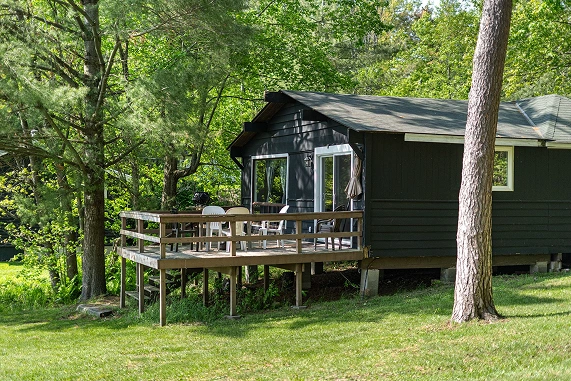
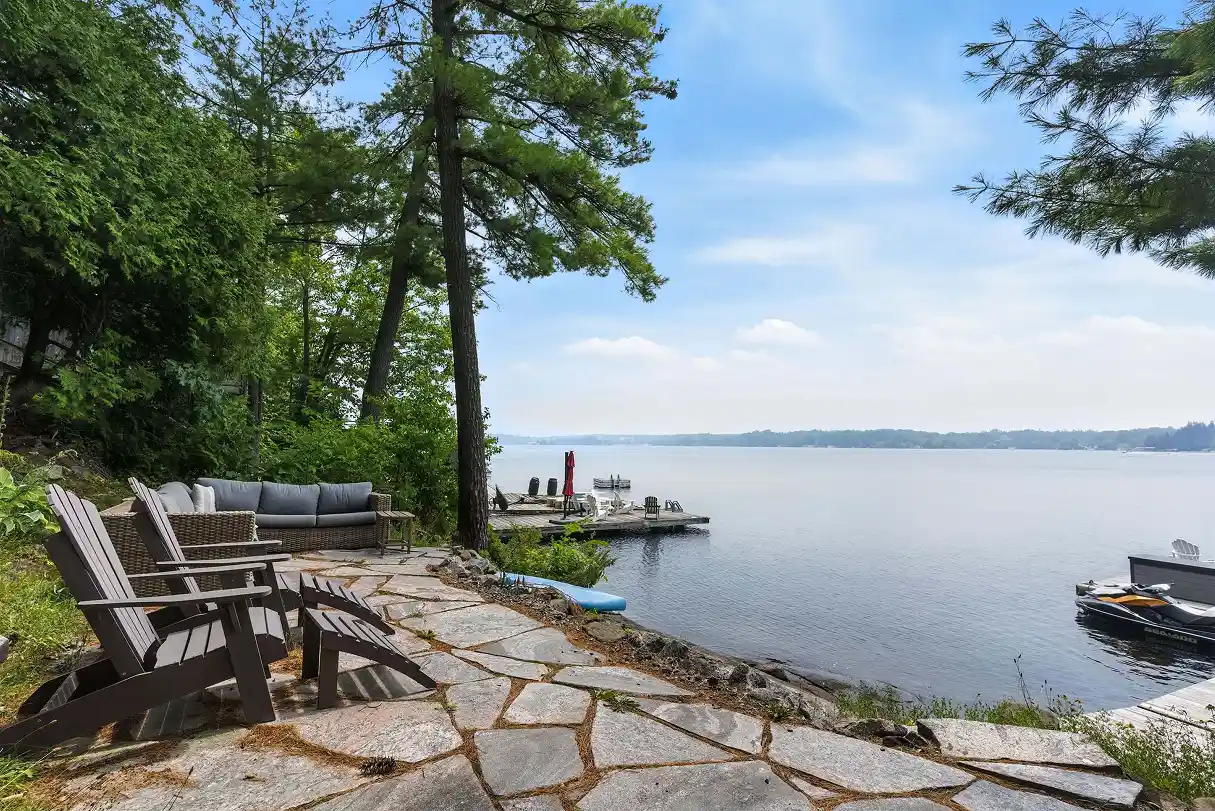
Hosting at a cottage is different from hosting at home because the waterfront setting and outdoor-focused lifestyle require a more practical, flexible approach. Getting the details right, from sleeping arrangements to kitchen setup and dock safety, helps ensure guests are comfortable and the weekend runs smoothly. This guide explains what works, what doesn’t, and how to create an easy, enjoyable hosting experience at a waterfront property.
Sleeping Arrangements: The Foundation of a Good Guest Weekend
The single factor that most determines whether a guest weekend feels comfortable or crowded is sleeping arrangements. Guests who have a private, quiet space to sleep and store their belongings are relaxed. Guests who are sleeping on pull-out sofas in a shared common area are not, regardless of how beautiful the lake view is.
Assess your cottage’s true sleeping capacity honestly before inviting a group. A four-bedroom cottage can comfortably sleep eight to ten people. Pushing it to fourteen or fifteen with air mattresses in the living room benefits nobody. A bunkie or guest cabin with its own bathroom transforms a property’s hosting capacity more than any other single improvement.
Before guests arrive, prepare each sleeping area fully: fresh bedding, clear drawer or closet space for clothes, a reading light, a phone charger, and a place to hang towels. These small details communicate that the space was prepared for them, not just vacated of the owner’s belongings.
Outdoor Kitchen and Cooking Setup
The kitchen at a cottage is almost always undersized relative to the number of people using it on a busy weekend. The most effective way to manage this is to move as much cooking as possible outdoors. A quality gas grill, a side burner, and a prep surface close to the water creates an outdoor cooking station that handles everything from morning breakfast to evening dinner without crowding the indoor kitchen.
Stock the outdoor area with everything a cook needs without running back inside: cutting boards, tongs and spatulas, a trash container, paper towels, and a side table. A self-serve drink station, whether a simple cooler or a dedicated bar area, removes the most common interruption from cooking. Keep water, beer, wine, and non-alcoholic options accessible without requiring the host to play bartender throughout the day.
For larger groups, set up a help-yourself breakfast station inside the cottage: a coffee maker with supplies, a toaster, cereal and fruit, and clear communication that breakfast is casual and self-directed. This is one of the most effective ways to avoid a morning bottleneck in a small kitchen.
Dock and Water Safety for Groups
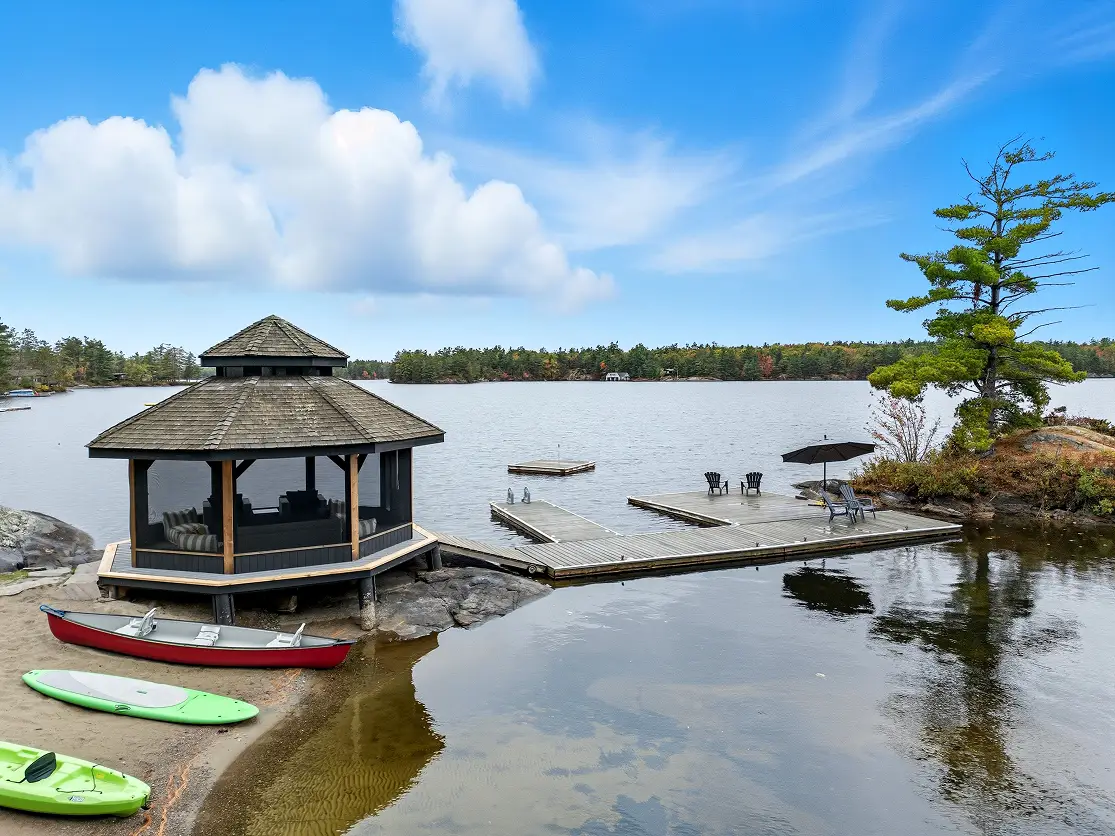
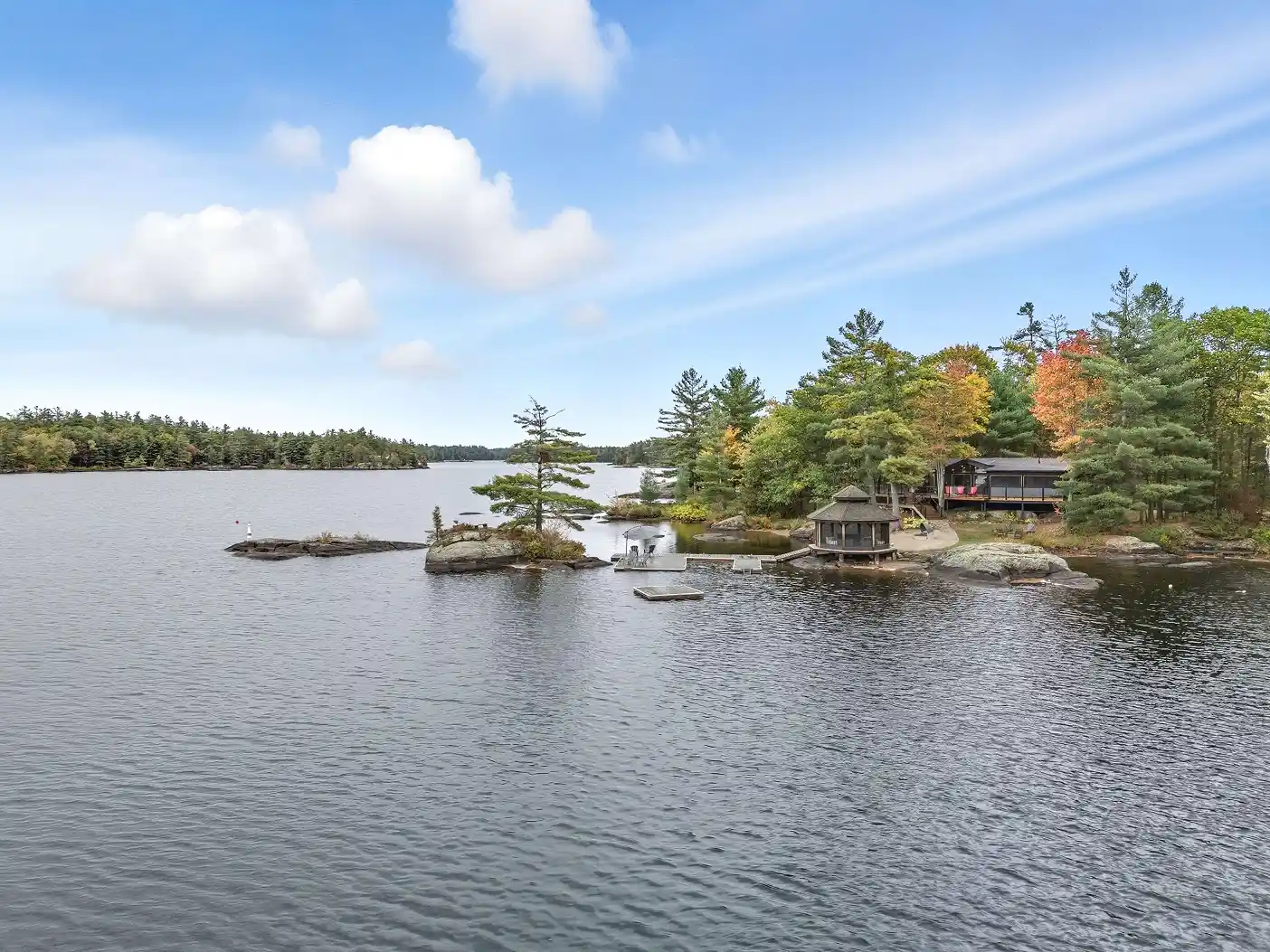
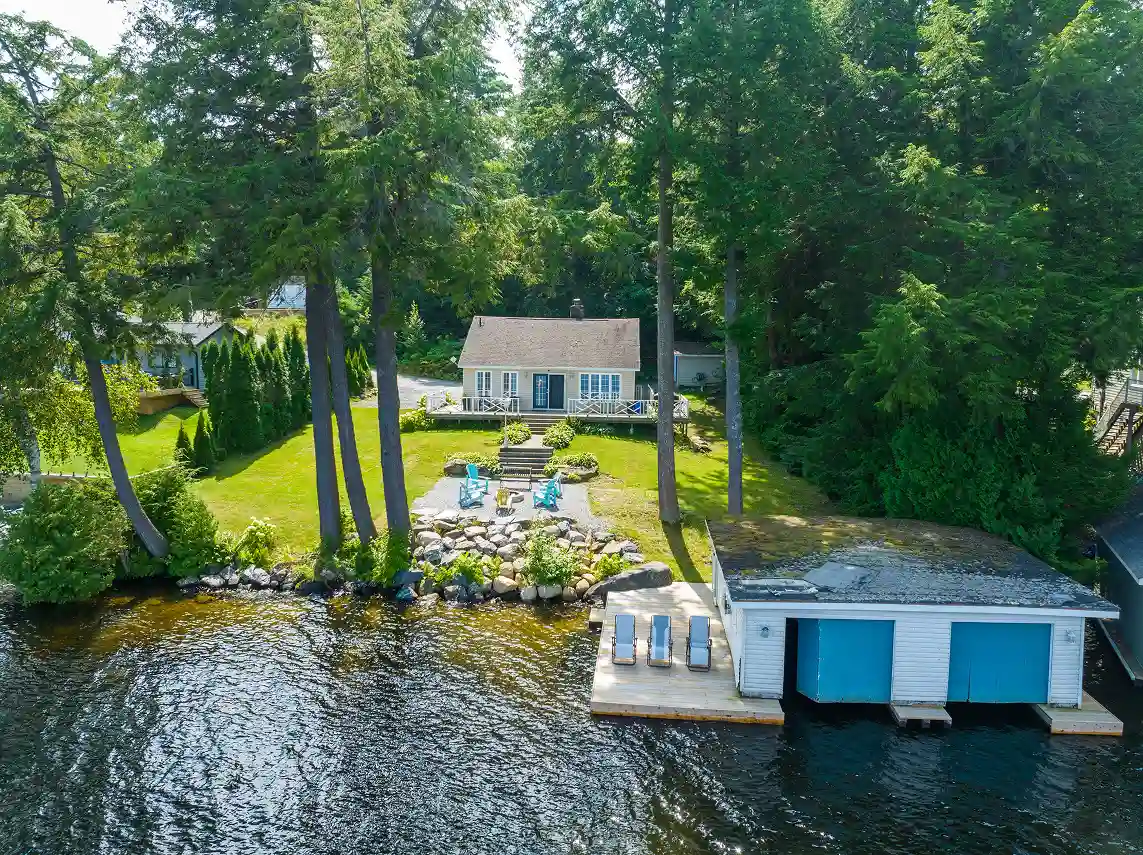
The dock is where most of a cottage weekend happens, and it is also where the most serious accidents occur. When hosting guests, particularly those with children or those unfamiliar with lake swimming, establish clear expectations before anyone gets in the water. Life jackets should be accessible and clearly stowed, not buried in a storage box that nobody can find. Designate a swim area and communicate where boat traffic makes swimming unsafe. A floating dock or swim platform anchored off the main dock creates a natural gathering point that keeps swimmers out of the boat lane. Properties that include quality dock infrastructure are consistently among the most sought-after in the cottage market, as explored through the income property expertise at CV Real Estate.
For evening and nighttime dock use, lighting matters. Path lighting from the cottage to the dock prevents trips in the dark. Solar dock lights mark the edge of the structure. These are inexpensive improvements with significant safety impact when hosting groups that may not be familiar with the property layout at night.
Managing Shared Indoor Spaces
At a cottage, the living room, kitchen, and bathrooms are shared by everyone. The design of the communal areas determines how easily a large group moves through the space without friction. Seating that arranges into both a large group configuration and smaller clusters serves more social situations than a single fixed arrangement.
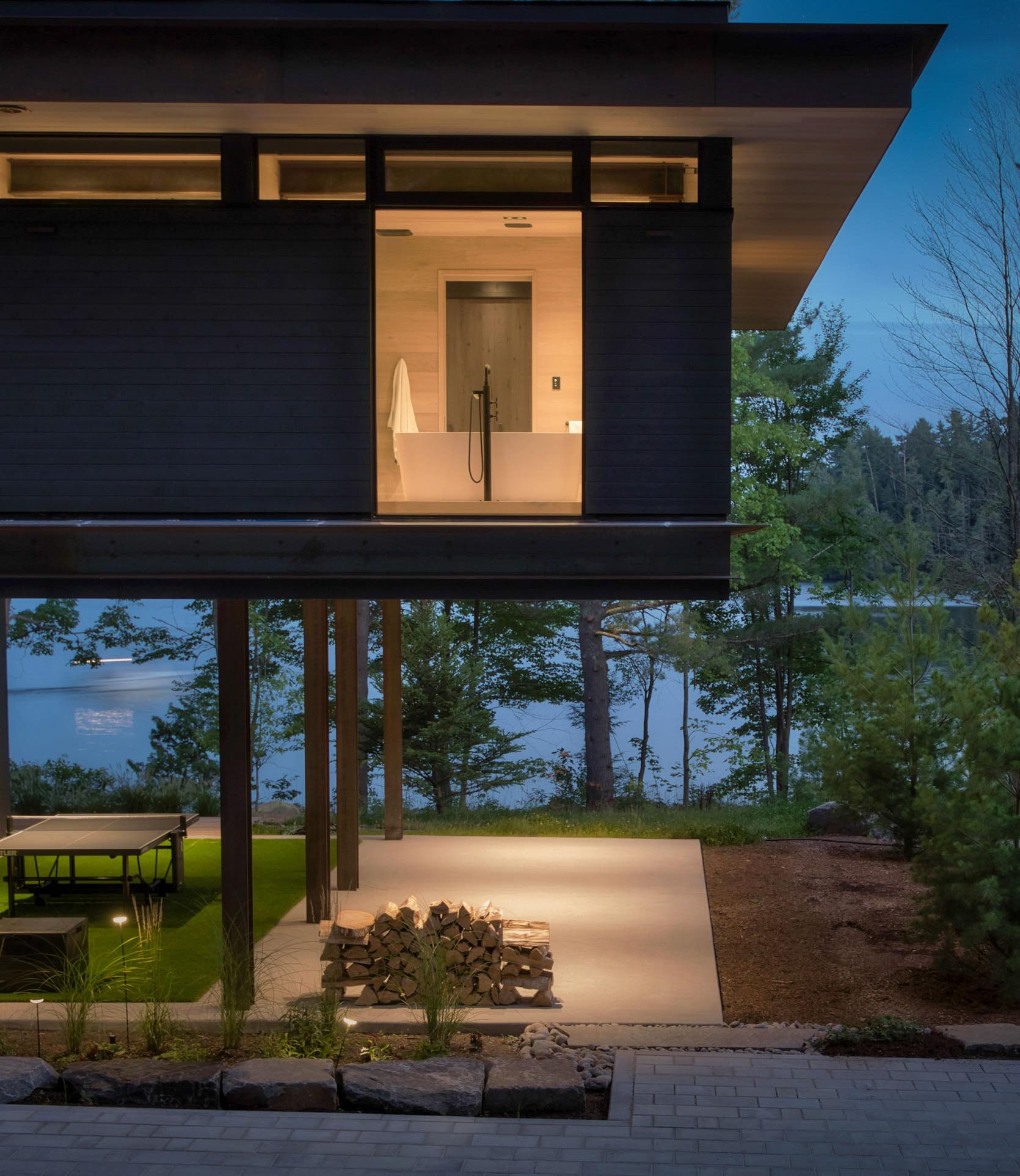
Bathrooms are the most frequently underestimated bottleneck. Two bathrooms for twelve people means early-morning queues that set a negative tone for the day. If your property has one bathroom and you regularly host large groups, adding a second bathroom is one of the highest-impact improvements you can make to the hosting experience. An outdoor shower near the dock also removes significant pressure from indoor bathrooms by handling post-swim rinse-offs before anyone enters the cottage.
The Arrival Experience
The arrival at a cottage sets the tone for the entire weekend. Guests who arrive to a clean property, a cold cooler stocked with drinks, and a clear sense of where things are start their visit with goodwill. Those details take thirty minutes to prepare.
Leave a simple note or send a message before guests arrive covering the key practical information: where to park, how the water system works, where the life jackets are stored, and any quirks of the property they should know. A smoke detector that beeps at 3 AM on Saturday night because nobody knew where to find a spare battery is a fixable problem before guests arrive.
Planning Activities Without Over-Scheduling
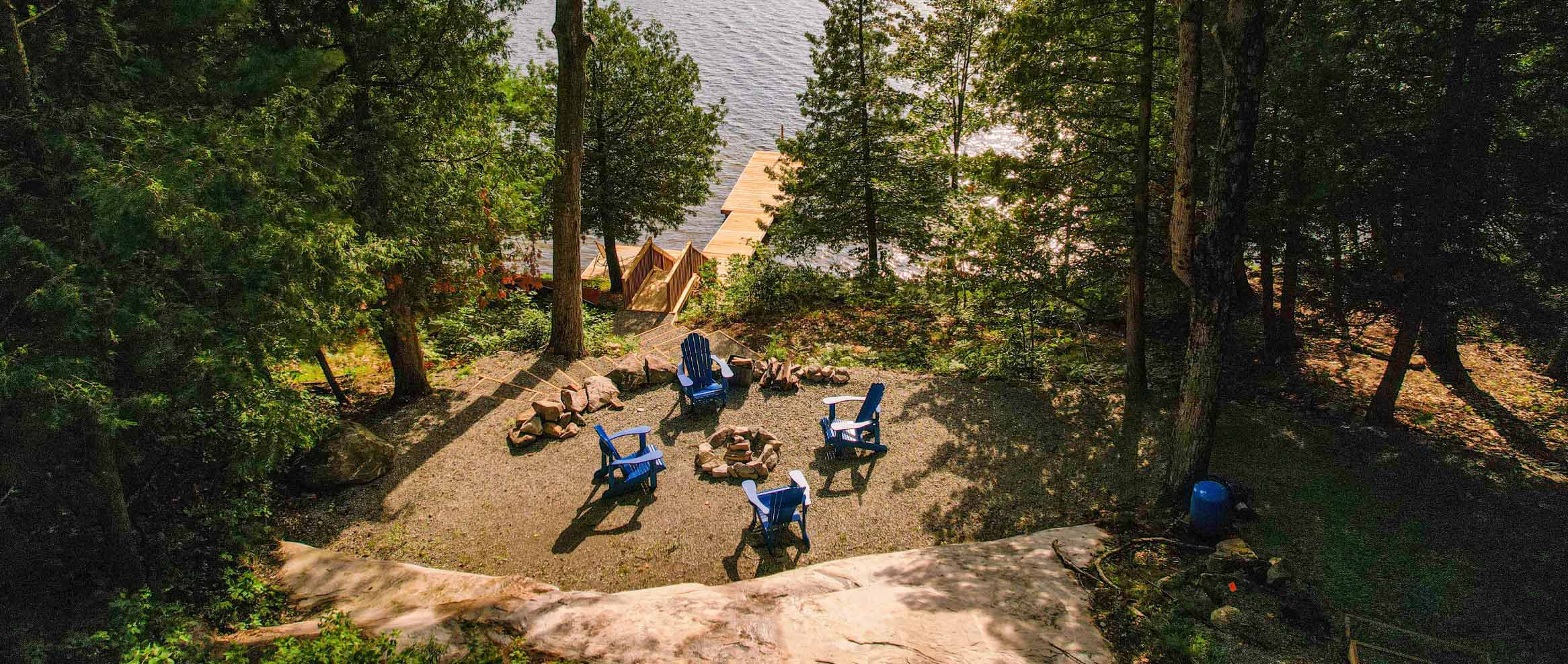
The best cottage weekends have a loose structure and space for spontaneity. Plan one or two anchor activities: a group boat ride, a bonfire, a Saturday evening meal and leave the rest open. Guests who want to kayak will kayak. Those who want to read on the dock will read. Over-programming a cottage weekend removes the relaxed quality that makes it worth attending.
Having watercraft available adds meaningful value to the hosting experience. Kayaks, canoes, paddleboards, and a boat that can take guests tubing or waterskiing create activities that happen naturally without scheduling. For owners who also rent their property, offering watercraft as part of the guest experience directly improves rental ratings and income, as discussed through the community guides and rental resources available through CV Real Estate.
A Cottage Worth Sharing Starts with the Right Property
The best hosting experiences happen at properties that were designed or well-suited for groups. Layout, sleeping capacity, outdoor space, and dock infrastructure all contribute to how a cottage functions as a gathering place. CV Real Estate works with buyers across Muskoka, Parry Sound, Haliburton, and the Kawarthas who want to find a property that serves all of those purposes well. Read what previous clients have shared in the testimonials section, and browse the sold listings to see the range of properties the team has successfully placed.
Frequently Asked Questions
1. How many guests can a typical Muskoka cottage comfortably host?
The comfortable capacity depends entirely on the specific property. A three-bedroom cottage without a bunkie comfortably sleeps six to eight guests. A four-bedroom cottage with a bunkie or guest cabin can accommodate ten to fourteen guests without crowding. When evaluating hosting capacity, count actual beds rather than floor space, and assess bathroom access relative to the number of guests.
2. What should I prepare before guests arrive at the cottage?
Prepare each sleeping area with fresh bedding and clear storage space. Stock the outdoor cooking station and self-serve drink area. Confirm life jackets are accessible at the dock. Leave a brief note or message for guests covering parking, the water system, and any property-specific information they need. A clean cottage with a cold cooler waiting at arrival sets a positive tone that carries through the weekend.
3. How do I manage a large group in a small cottage kitchen?
Move as much cooking as possible outdoors to a gas grill and side burner. Set up a self-serve drink station to remove the most common kitchen traffic. Create a casual self-directed breakfast setup that eliminates morning congestion. Accept that a cottage kitchen is not designed for restaurant-style group cooking and plan meals that work within its limitations rather than fighting against them.
4. What dock safety steps should I take before hosting guests?
Confirm life jackets are accessible and in serviceable condition before guests arrive. Communicate the swim area and where boat traffic makes swimming unsafe. Add dock edge lighting for evening use. If hosting families with children, a floating platform anchored away from the boat lane creates a natural safe zone for swimmers. Make sure guests know where the dock ladder or water access ramp is located.
5. How do I make a cottage weekend feel welcoming for guests unfamiliar with lake life?
Give guests a brief orientation when they arrive: show them where things are stored, explain how the water system works, and walk them through the dock and safety equipment. Point out where the propane controls are, how the outdoor shower works, and what they should do if something is not working as expected. Guests who feel oriented relax more quickly and enjoy themselves more than those who spend the first evening figuring out the basics.
Ready to Find a Cottage Built for the People You Love?
If you are looking for a waterfront property that genuinely works for hosting, connect with the CV Real Estate team through a buying consultation. Your advisor will help you identify properties with the layout, capacity, and dock infrastructure that make group weekends a pleasure rather than a logistical exercise.
Key Takeaways
- Honest sleeping capacity assessment prevents the overcrowding that undermines even the best-planned cottage weekends.
- An outdoor cooking station with self-serve drinks removes the most common bottlenecks from a cottage kitchen during large gatherings.
- Life jacket accessibility, swim area designation, and dock lighting are the three highest-impact safety preparations before hosting groups.
- A brief guest orientation on arrival covering key property information reduces questions and frustrations throughout the weekend.
- Loose programming with one or two anchor activities produces better cottage weekends than over-scheduled itineraries.
- Available watercraft adds significant spontaneous activity value for guests and improves rental income potential for owners who also rent.
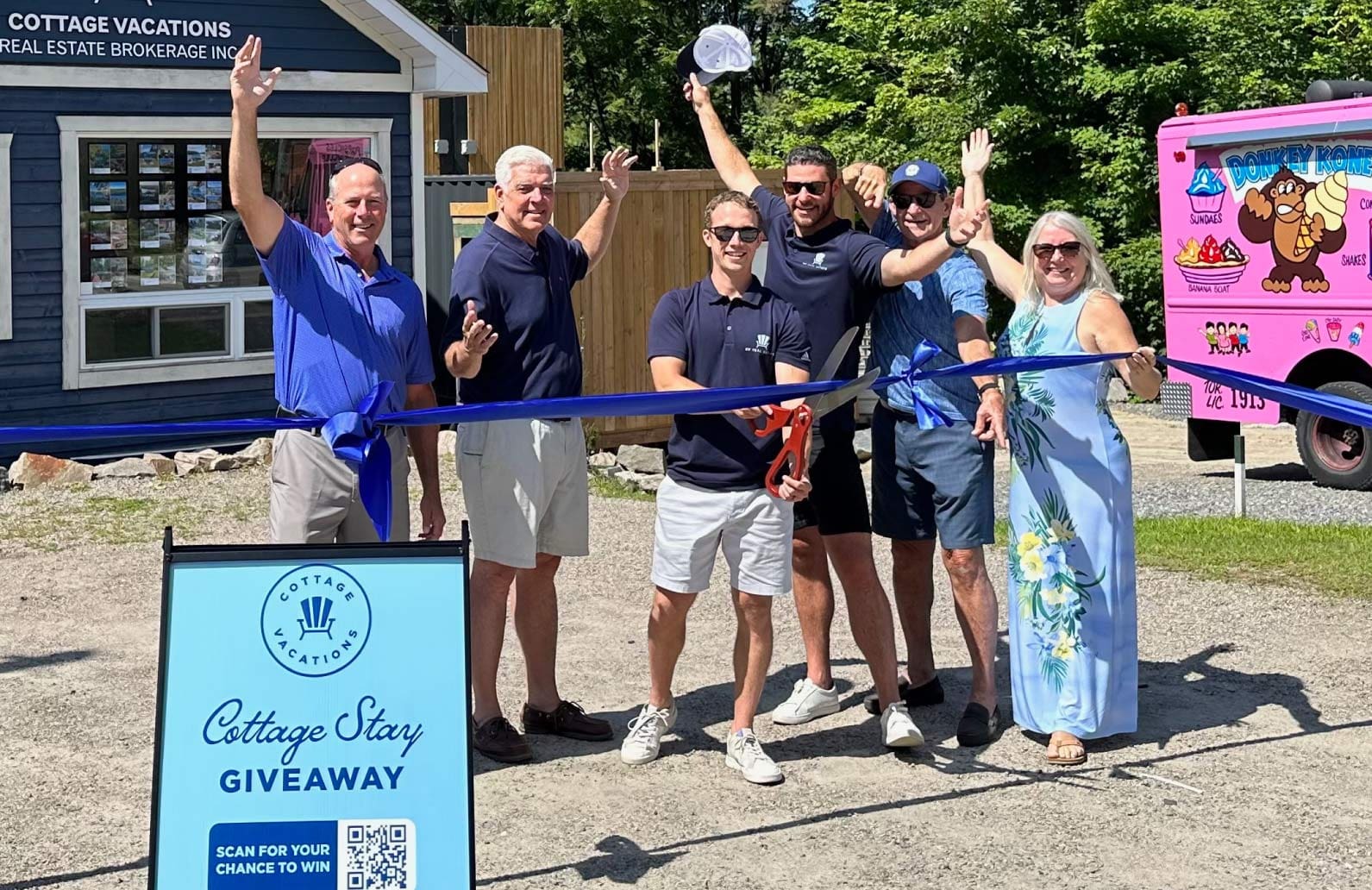
Meet The Team
We’re cottage country enthusiasts and vacation property experts, helping renters, buyers, and sellers reach their goals for more than 20 years.