Closing a cottage for an Ontario winter involves more than locking the door, as improper winterization can lead to frozen pipes, roof damage, pest issues, and other costly problems. This checklist outlines the key steps needed to properly prepare a property for months of freezing temperatures, snow, and vacancy. It is designed to help cottage owners systematically winterize their property and avoid preventable damage each season.
Exterior: Start Here Before the Temperature Drops
Roof and Gutters
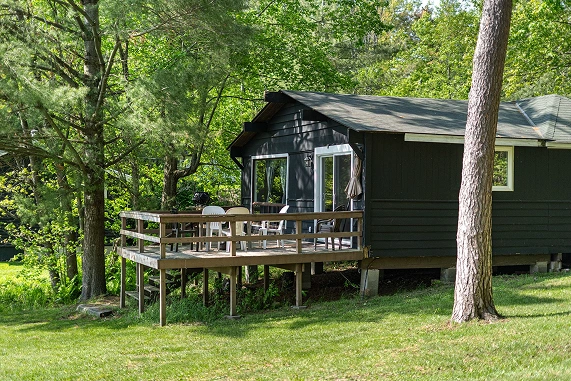
Inspect the full roofline for damaged, loose, or missing shingles before the first snow. Any compromise in the roof surface becomes a water entry point as snow accumulates and melts. Clear all gutters and downspouts completely. Blocked gutters cause ice dams in winter that damage both the gutters and the roof edge. Trim any overhanging branches that may drop under the weight of ice and impact the structure.
Dock and Waterfront Structures
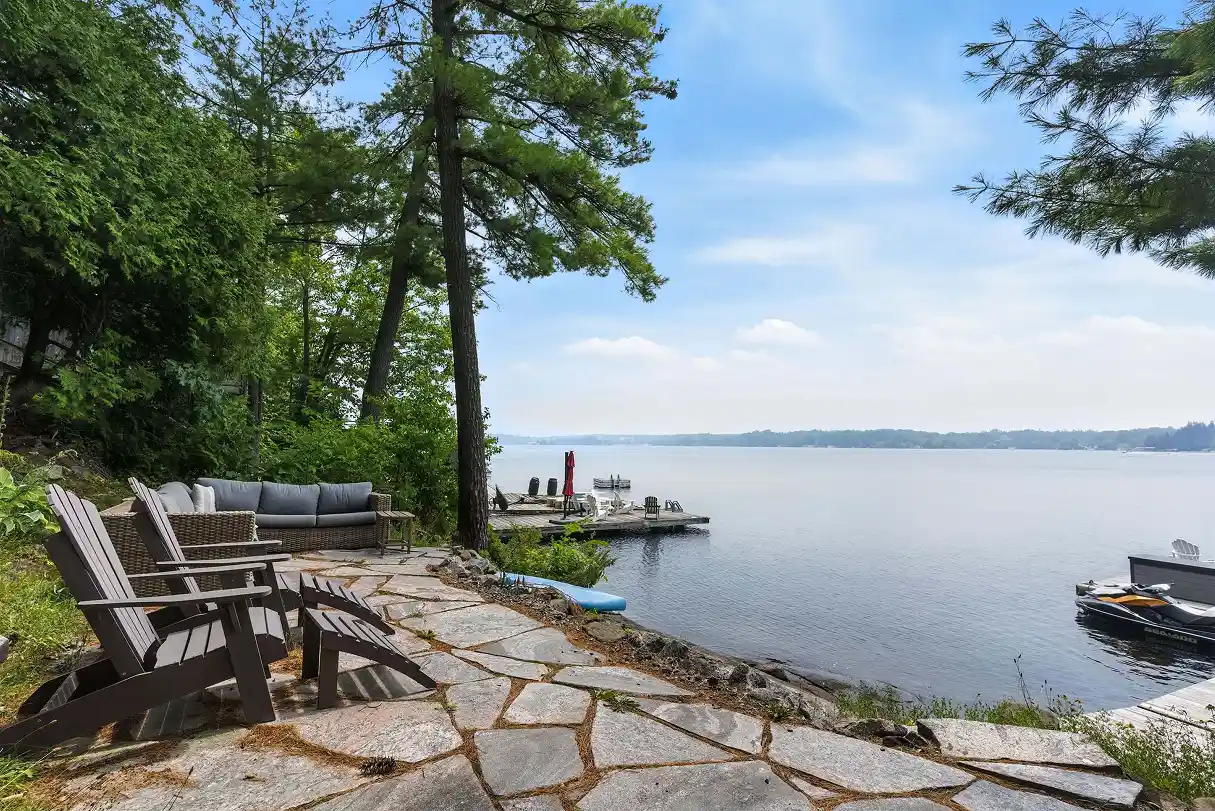
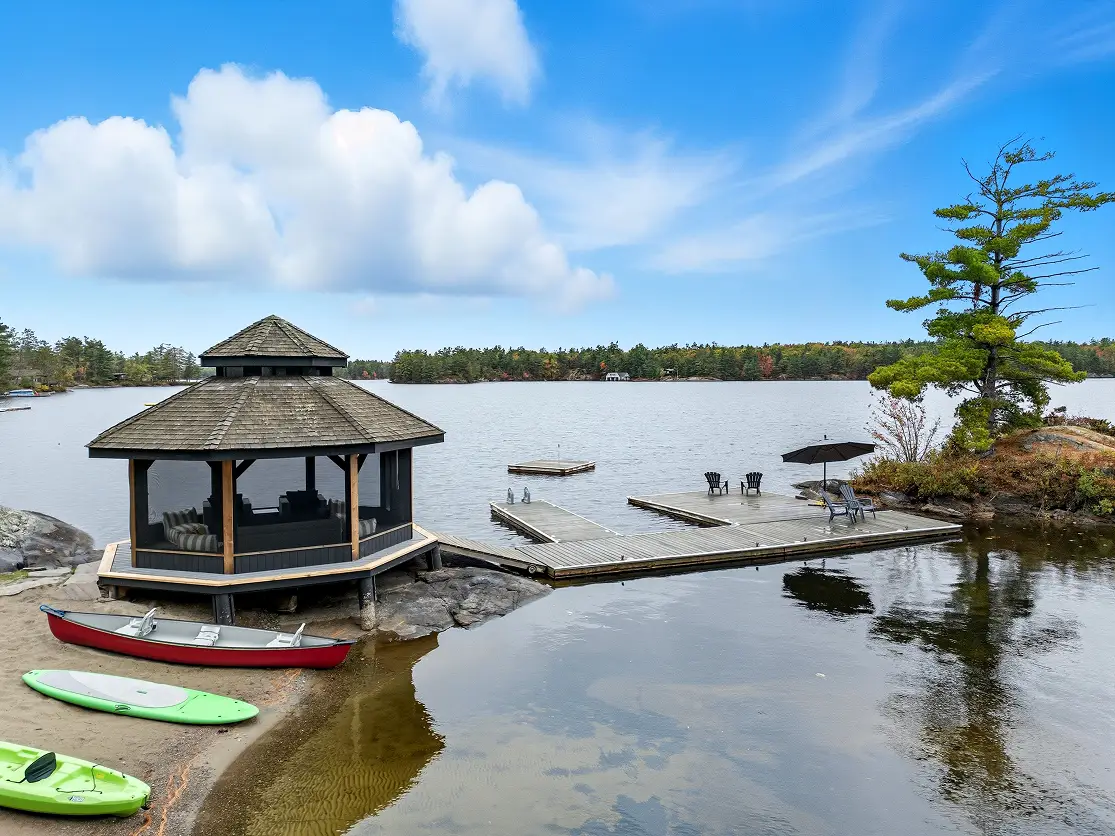
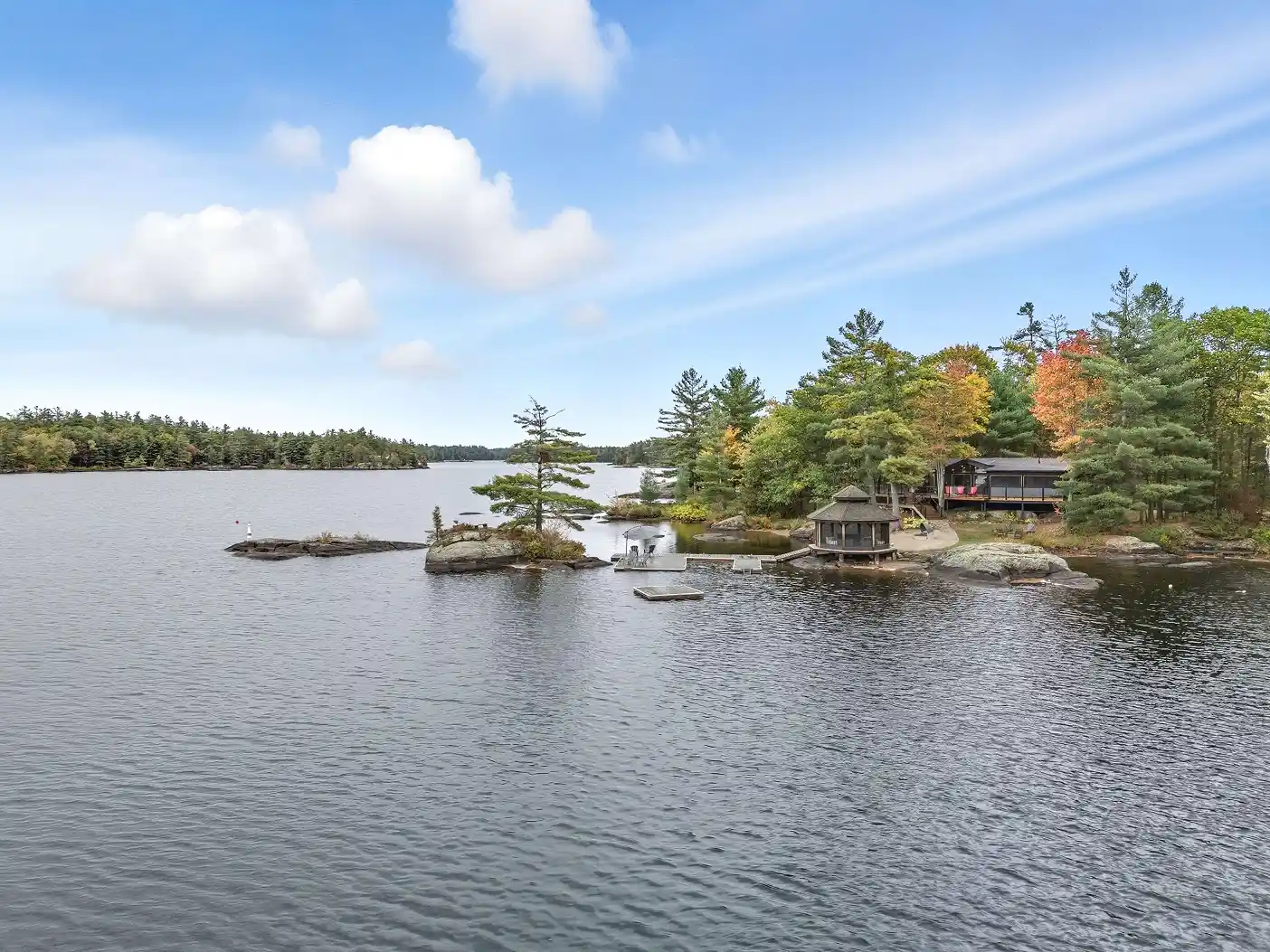
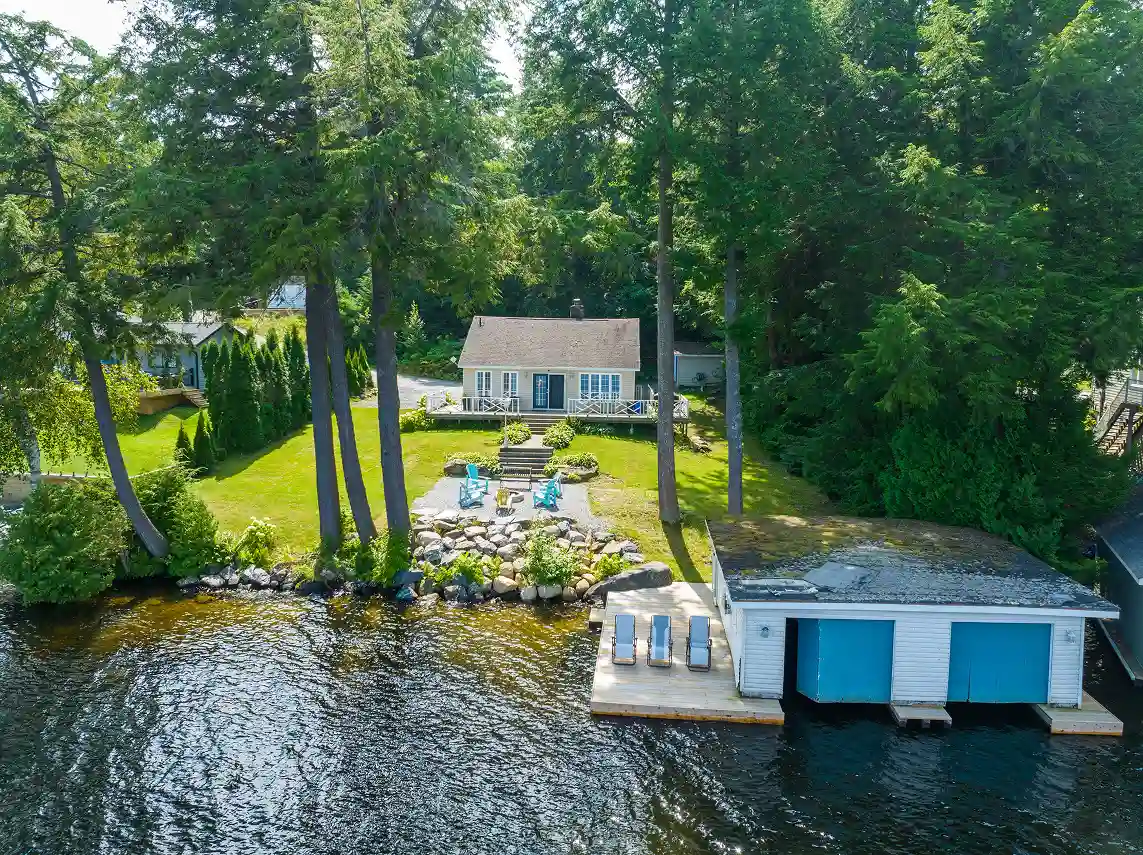
Remove docks that are not designed to stay in over the winter and store them on high ground, elevated off the soil on sawhorses or a rack. Fixed docks should have any removable decking sections stored. Boat lifts should be fully raised. Canoes, kayaks, and small watercraft should be stored upside down in a locked boathouse or shed. Drain any bilge water from boats before storage. Check dock posts and anchoring chains for condition while they are accessible.
Windows, Doors, and Exterior Penetrations
Walk the perimeter of the cottage and inspect every window, door frame, vent, and utility penetration for gaps and cracks. A gap the width of a finger is wide enough for mice to enter. Seal any openings with caulk, steel wool, or appropriate filler before closing. Check weather stripping on all doors and replace any sections that are compressed or deteriorated.
Plumbing and Water Systems: The Highest Priority
Shutting Off and Draining the Water Supply
Shut off the main water valve to the cottage. Drain all water lines by opening every tap and valve in the building and allowing water to run out completely. Begin with the highest points in the system and work downward. Turn off the water heater and drain it fully. Drain the hot water tank before shutting down the heater to prevent damage to the element.
Toilet, Traps, and Antifreeze
Flush toilets completely and pour RV antifreeze into the bowl and tank to prevent any remaining water from freezing. Pour antifreeze into all drain traps, including sinks, showers, and the floor drain if one exists. Traps that are left with standing water will freeze, and the expansion of that ice can crack the trap. Use antifreeze rated for potable water systems in any line that connects to the drinking water supply.
Pump and Pressure System
If the cottage uses a submersible lake pump, disconnect and remove it from the water if possible. If the pump is a land-based unit in a pump house, drain it completely and disconnect the power. Blow out any remaining water in the intake lines if you have access to a compressor. A pump with trapped water that freezes will crack the housing and require replacement in the spring.
Interior: Moisture, Pests, and Systems
Food, Refrigerator, and Pest Prevention
Remove all food from the cottage entirely. Do not leave sealed goods, canned items, or anything edible behind. Mice can access canned goods over a winter season. Unplug the refrigerator, clean it thoroughly, and leave the doors open to prevent mold growth. Seal packaged dry goods like flour, rice, and pasta in hard plastic containers with snap lids if you choose to store non-perishables at the property.
Bedding and Soft Goods
Store all bedding, pillows, cushions, and fabric items in sealed bins or storage bags to deter rodents from nesting in them over winter. Fabric softener sheets placed in drawers and storage containers create a scent barrier that deters mice. Remove sofa cushions from upholstered furniture and store them vertically or in sealed bags.
Heating and Ventilation
If you plan to maintain a low level of heat at the cottage over winter to prevent freezing, set the thermostat to a minimum of 10 to 13 degrees Celsius. Confirm the heating system is operational and that fuel or propane supply is adequate. If the cottage will be fully shut down with no heat, all water must be drained as described above. Have the chimney and fireplace inspected and swept before closing if a wood-burning system was used during the season.
Electrical
Unplug all appliances and electronics that do not need to remain powered. Disconnect and store smaller appliances. Turn off all circuit breakers except those required for security lighting, a monitoring system, or a maintained heating source. If the cottage will be fully powered down, shut off the main breaker after confirming no systems require power over the winter.
Security and Remote Monitoring
Arrange for a trusted neighbour or local property manager to check on the cottage periodically through the winter. A single mid-winter check can identify roof damage from a heavy storm, evidence of forced entry, or a heating failure before it causes significant damage. Remote monitoring systems, including temperature sensors that alert to dangerous cold and water sensors that detect pipe leaks, are increasingly affordable and practical for cottage owners in Ontario. For buyers considering a managed property, the income property expertise at CV Real Estate includes guidance on property management services available in cottage country.
Final Walk-Through Checklist
- Roof inspected, gutters cleared, overhanging branches trimmed.
- Dock removed or secured, watercraft stored, boathouse locked.
- All exterior penetrations sealed against pest entry.
- Main water valve shut off, all lines drained, water heater drained.
- Antifreeze poured into toilet tanks, bowls, and all drain traps.
- Pump disconnected or drained, intake lines blown out.
- All food removed, refrigerator unplugged and left open.
- Bedding and soft goods stored in sealed containers.
- Heating maintained at 10 to 13 degrees Celsius or all water fully drained if no heat.
- Chimney swept if a wood-burning fireplace was used.
- All non-essential breakers shut off.
- Property check arrangement confirmed with neighbour or property manager.
A Well-Closed Cottage Opens Better in Spring
The time invested in a thorough autumn closing pays dividends on the first weekend of the next season. A properly winterized cottage means arriving at a property in full working order rather than spending the opening weekend on emergency repairs. CV Real Estate advises buyers and owners across Muskoka, Parry Sound, Haliburton, and surrounding regions. For insights on what makes a cottage easy to own and maintain, explore the insights section of the CV Real Estate website, and read what current clients have shared in the testimonials.
Frequently Asked Questions
1. When should I winterize my cottage in Ontario?
Most cottage owners in Ontario close between late September and mid-October, depending on when they plan to take their last trip to the property. Overnight temperatures consistently dropping below freezing is the practical trigger for completing the full winterization. Addressing the water system and exterior before the first hard frost is the priority, as frozen pipes and ice damage to dock hardware are the most common early-winter issues.
2. Do I need to drain all the water pipes when closing my cottage?
Yes, if the cottage will not be maintained with heat above freezing over the winter. Any standing water in pipes, traps, the water heater, or the pump system will freeze, expand, and crack the containing material. The cost of repairing burst pipes after a winter is significantly higher than the time required to drain the system properly at closing.
3. Should I leave heat on in my cottage over winter?
Maintaining a low level of heat between 10 and 13 degrees Celsius protects the structure from moisture fluctuations and makes spring opening simpler. However, it is only advisable if the heating system is reliable, the fuel supply will not run out, and you have a monitoring arrangement in place. If those conditions cannot be met, a full cold shutdown with complete water drainage is the safer approach.
4. How do I protect my dock over winter in Ontario?
The standard approach for removable docks is to take them out of the water before ice forms and store them on shore on sawhorses, elevated off the ground. Floating and fixed docks designed to remain in the water should be assessed based on the manufacturer’s guidance and the specific conditions of the lake. Ice pressure on dock structures that are left in can cause significant damage on lakes that freeze solidly.
5. What are the most common mistakes when closing a cottage?
The most costly mistakes are leaving standing water in the plumbing system, failing to drain the water heater, not sealing exterior gaps against rodents, and leaving food in the cottage. Secondary issues include leaving soft goods exposed for mice to nest in, not clearing gutters before snowfall, and failing to remove dock sections or watercraft before freeze-up.
Thinking About Your First Cottage Purchase?
If you are considering buying a cottage in Ontario and want to understand what ownership involves from day one, connect with the CV Real Estate team through a buying consultation. Your advisor will walk you through the practical realities of cottage ownership alongside the property search.
Key Takeaways
- Burst pipes are the most common and costly consequence of incomplete winterization; draining the full water system is the single highest priority.
- Antifreeze in all toilet tanks, bowls, and drain traps prevents ice damage to fixtures and drain lines.
- All food must be removed from the cottage entirely to prevent pest infestation over winter.
- Docks should be removed from the water and stored on shore before ice forms to prevent ice pressure damage.
- A property check arrangement with a neighbour or manager provides early warning of winter damage before it compounds.
- Maintaining low heat at 10 to 13 degrees Celsius is viable only if the heating system is reliable and monitored remotely.

Meet The Team
We’re cottage country enthusiasts and vacation property experts, helping renters, buyers, and sellers reach their goals for more than 20 years.