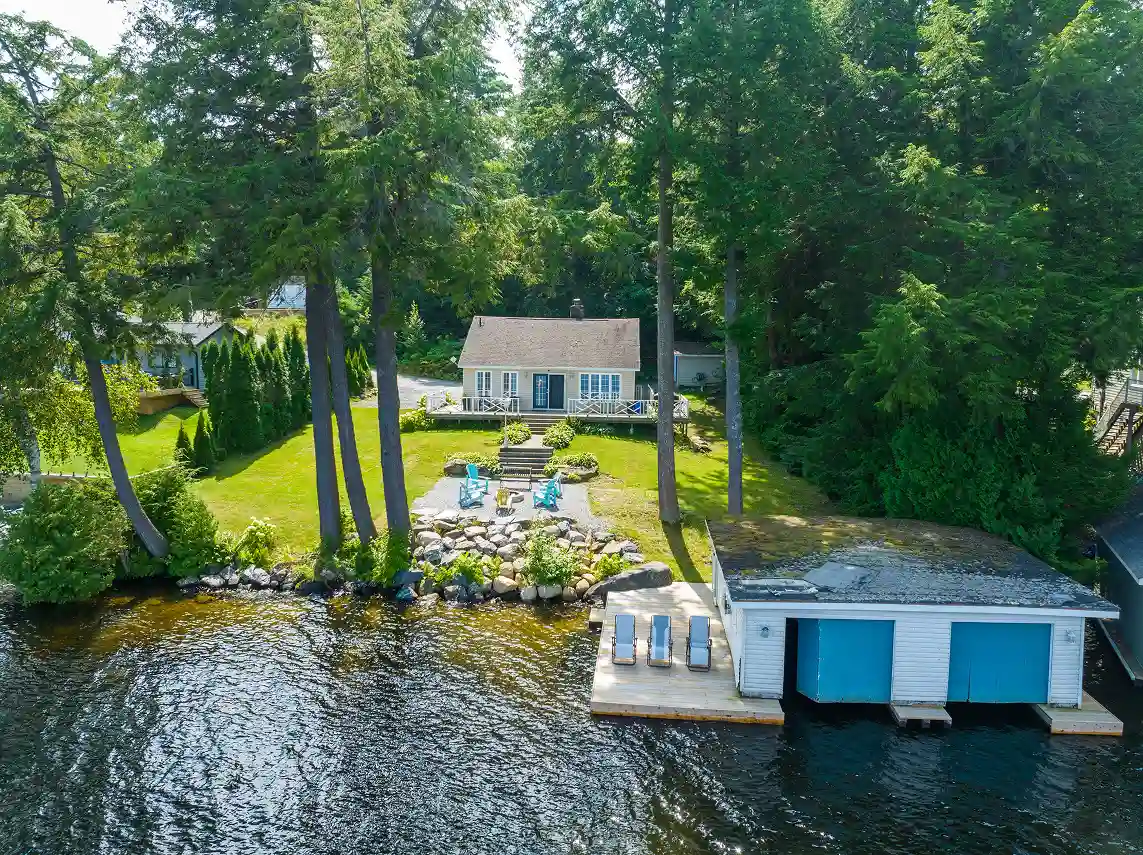
Muskoka’s identity as Ontario’s cottage country has evolved over more than 150 years, beginning as Anishinaabe territory and moving through early settlement and tourism development. It shifted from an unsuccessful farming region to a destination shaped by Victorian hotels, steamship travel, and later private cottage ownership. This post explores that history and how it continues to shape the region’s appeal and property value today.
Before Cottages: The Indigenous Peoples of Muskoka
Long before European settlers arrived, Muskoka was the territory of the Anishinaabe peoples, primarily the Ojibwe, whose communities hunted, fished, and traveled through the region’s lakes and forests for millennia. The land provided abundant resources, and its lake systems served as transportation corridors connecting communities across central Ontario.
The name Muskoka itself derives from an Ojibwe leader, Musquakie, also known as Mesqua Ukee or William Yellowhead, a Chippewa chief who played a significant role in treaty negotiations between the Anishinaabe and the Province of Canada during the 19th century. His name became attached to the lake and ultimately to the entire district. The Wahta Mohawk Nation and the Moose Deer Point First Nation also have deep historical ties to the region and continue to have reserve lands within Muskoka’s boundaries today.
An honest account of Muskoka’s history acknowledges that the transition from Indigenous territory to settler and recreational use was not a neutral process. The displacement of Anishinaabe communities through treaty agreements and the expansion of logging and settlement fundamentally altered who occupied and benefited from the land.
The Logging Era and the Failed Farming Experiment
European settlement of Muskoka expanded significantly in the mid-19th century as the Canadian government sought to open the region to agricultural development. The Free Grant and Homestead Act of 1868 offered settlers land in Muskoka in exchange for clearing and farming it. Logging licenses had been issued as early as 1866, and the lumber industry grew quickly as timber contractors moved into the region’s forests.
The farming experiment largely failed. The Canadian Shield geology that makes Muskoka visually spectacular, its exposed rock faces, thin soil layers, and glacial lakes, is poorly suited to agriculture. Within a generation, many settlers who had come north to farm abandoned their lots or pivoted to other livelihoods. The logging industry was more successful but ultimately depleted the old-growth timber that had initially driven activity.
What remained after farming and logging receded was the landscape itself: hundreds of clear lakes, rocky shorelines, dense second-growth forest, and clean air within reasonable reach of the growing cities of southern Ontario. That landscape was about to attract a very different kind of visitor.
The Victorian Era: Grand Hotels and the Arrival of Tourism
Tourism began to reshape Muskoka in the late 1870s as urban residents from Toronto, Hamilton, and cities in the northeastern United States discovered the region as a summer retreat. The arrival of the railway at Gravenhurst in 1875 was the catalyst. Travellers could reach Gravenhurst by train from Toronto and then continue north by steamship across Lakes Muskoka, Rosseau, and Joseph.
The grand hotel era followed. By 1879, approximately 30 resort establishments operated in the region. By the early 1900s, that number had grown to more than 50. These were substantial properties, offering fine dining, dance halls, tennis courts, and croquet lawns to guests who would often stay for an entire summer season. An 1888 promotional brochure for Muskoka promised visitors “mental and physical refreshment,” a phrase that captures the appeal of the region to a generation of industrial-era city dwellers seeking escape.
The steamship companies were central to this economy, ferrying guests between the railway terminus at Gravenhurst and the resorts and emerging cottage communities spread across the lakes. The RMS Segwun, a coal-fired steamship built in 1887 and still operating today from Gravenhurst Wharf, is one of the most tangible surviving connections to this era.
The Rise of Private Cottage Culture
The shift from hotel tourism to private cottage ownership accelerated in the late 19th century and continued through the early 20th. Wealthy families from Toronto and American cities began purchasing islands and waterfront parcels on Lakes Muskoka, Rosseau, and Joseph to build their own summer properties. The first private summer cottagers are documented purchasing islands on Lake Joseph in the late 1800s.
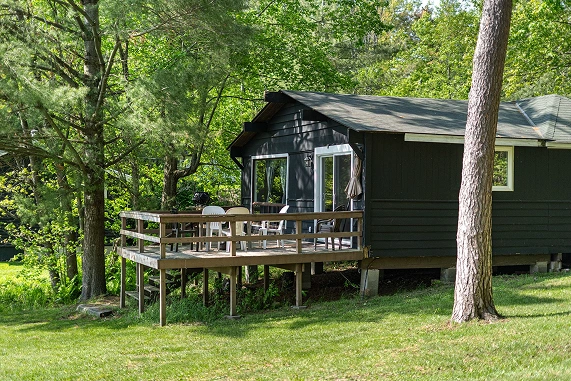
These early cottages were often substantial structures built for extended seasonal use. Many were staffed, featured boathouses large enough to hold multiple vessels, and reflected the architectural tastes of their period. A number of these historic properties survive today, representing the oldest layer of private real estate in the district.
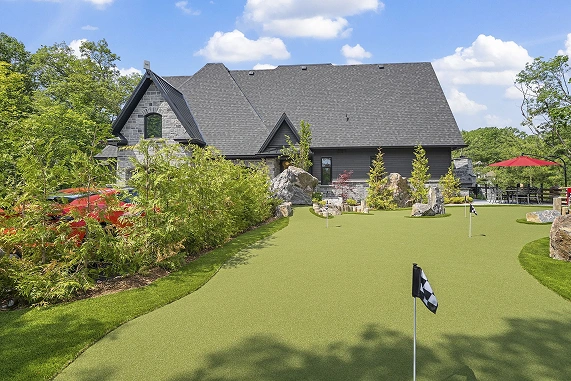
Over the following decades, cottage culture spread beyond the very wealthy. The expansion of automobile ownership and road infrastructure in the 1920s through 1940s opened Muskoka to a broader cross-section of Ontario families. Smaller, simpler seasonal cottages appeared on lakes throughout the district, and the pattern of Toronto families making the drive north on summer Fridays became deeply embedded in Ontario culture. For buyers exploring the range of what is available in Muskoka today, the featured listings at CV Real Estate reflect that full range, from historic waterfront estates to more recently built seasonal properties.
The 20th Century: From Seasonal Retreat to Investment Asset
The post-war decades saw continued growth in Muskoka cottage ownership. Highway 400, which opened progressively from the 1940s through the 1970s, transformed the drive from Toronto and made the region accessible to a far larger population. The steamship industry that had defined earlier tourism declined as car travel became standard, though the last surviving steamships continue to operate as heritage attractions.
By the latter half of the 20th century, Muskoka properties had shifted in many buyers’ minds from purely recreational assets to investments with meaningful long-term value. Generational cottage ownership became common, with properties passing from parents to children and grandchildren across multiple decades. Many Muskoka cottages today carry family histories stretching back 60, 70, or even 80 years.
The permanent population of Muskoka also grew alongside seasonal residents, as retirees and eventually remote workers chose to live in the district year-round rather than treating it as a summer-only destination. The district’s permanent population reached approximately 66,000 by the 2021 census, with seasonal residents adding tens of thousands more during warmer months.
Muskoka Today: Heritage, Demand, and a Maturing Market
The Muskoka of today is shaped by its history in ways that affect property values, zoning, and the character of communities across the district. Strict environmental protections on shoreline development and lake water quality reflect decades of effort to preserve the natural attributes that made the region attractive in the first place. The same Canadian Shield landscape that defeated the farming settlers of the 1860s has proven to be one of the most durable sources of long-term property value in Ontario. For buyers considering the region as an investment, the income property expertise at CV Real Estate provides current context on how Muskoka properties perform as rental assets alongside their personal use value.
Muskoka remains among the most sought-after recreational real estate markets in Canada. Its combination of natural beauty, proximity to Toronto, deep cultural resonance as Canada’s archetypal cottage country, and limited supply of premium waterfront land continues to attract buyers from the GTA, from other Canadian cities, and from the United States. Properties with historical significance, long water frontage, or connections to the district’s early cottage era frequently command premium pricing.
A Region Shaped by Its Past, Valued for Its Future
Buying a property in Muskoka means entering a market with more than 150 years of history behind it. The lakes, the rock, and the communities are all part of what buyers are purchasing alongside the physical property. CV Real Estate works with buyers across the district who want to understand that context alongside the current market data. Read what previous clients have shared in the testimonials section, and explore the community resources available through the insights section of the CV Real Estate website.
Frequently Asked Questions
1. Where does the name Muskoka come from?
Muskoka takes its name from Musquakie, also known as Mesqua Ukee or William Yellowhead, an Ojibwe chief who played a significant role in treaty negotiations between the Anishinaabe and the Province of Canada in the 19th century. His name became associated with the lake that now bears the name Muskoka, and by extension the entire district.
2. When did Muskoka become known as cottage country?
Muskoka’s identity as cottage country began forming in the 1870s following the arrival of the railway at Gravenhurst in 1875. The combination of rail access and steamship travel across the lakes made the region accessible to urban residents from Toronto and beyond. Grand hotels and eventually private cottages followed, and by the early 20th century, Muskoka was firmly established as southern Ontario’s premier seasonal retreat.
3. What is the history of steamships in Muskoka?
Steamships were central to Muskoka’s development as a tourist and cottage destination from the 1870s through the mid-20th century. They transported guests from the railway terminus at Gravenhurst to resorts and private properties across Lakes Muskoka, Rosseau, and Joseph. The RMS Segwun, built in 1887, is the oldest operating steamship in Canada and continues to run cruises from Gravenhurst Wharf as a heritage attraction.
4. Are there Indigenous communities in Muskoka today?
Yes. The Wahta Mohawk Nation and the Moose Deer Point First Nation have reserves within Muskoka’s boundaries, and the Anishinaabe peoples have a long and continued history in the region. A complete understanding of Muskoka’s history acknowledges both the Indigenous heritage of the land and the impact that 19th-century settlement and resource extraction had on those communities.
5. How has Muskoka’s real estate market evolved historically?
Muskoka began as a destination for grand hotel stays, transitioned to private seasonal cottage ownership in the late 19th and early 20th centuries, and gradually evolved into a market where properties are valued both for personal use and as investment assets. The post-war expansion of automobile culture and highway infrastructure opened the market to a much broader population. Today, Muskoka real estate is among the most actively tracked recreational property markets in Canada, with significant buyer interest from Toronto and internationally. The sold listings at CV Real Estate provide a current view of how that market continues to move.
Ready to Be Part of the Muskoka Story?
If you are considering a property in Muskoka and want guidance on the market, the communities, and the buying process, connect with the CV Real Estate team through a buying consultation. Your advisor will help you find a property that fits your goals in a region with a heritage that very few cottage markets in Canada can match.
Key Takeaways
- Muskoka takes its name from an Ojibwe chief, and the region has deep Indigenous roots that predate European settlement by thousands of years.
- The arrival of the railway at Gravenhurst in 1875 was the catalyst for Muskoka’s transformation into a tourism and cottage destination.
- The grand hotel era of the 1870s through early 1900s established the region’s recreational identity before private cottage culture gradually took over.
- Highway 400 and the expansion of automobile ownership through the mid-20th century made cottage ownership accessible to a much broader cross-section of Ontario families.
- Muskoka properties carry generational significance for many families, and historic waterfront estates remain among the most prized assets in the district.
- The same landscape that made farming difficult in the 1860s has proven to be one of the most durable sources of property value in Ontario over the long term.
Meet The Team
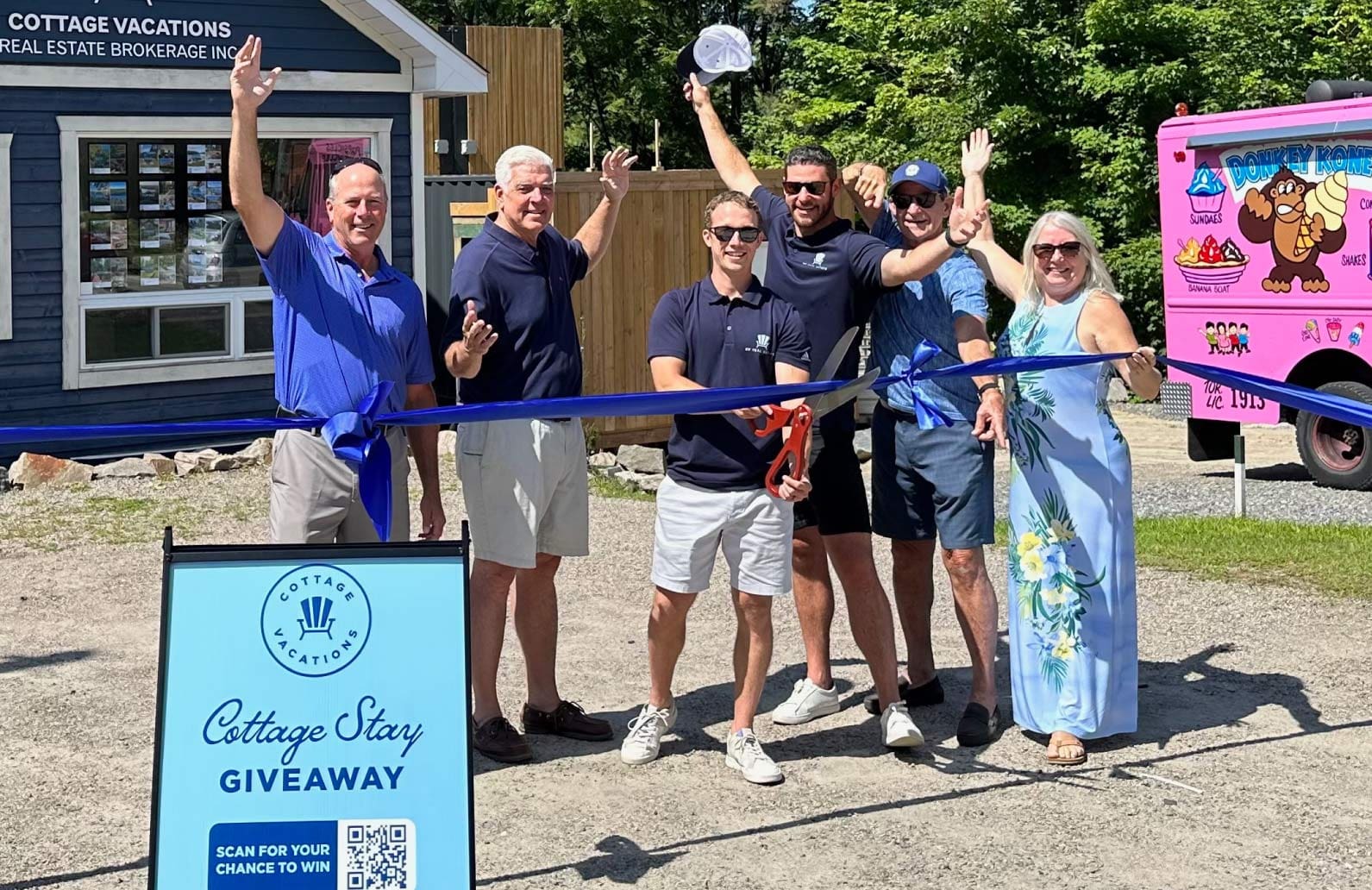
We’re cottage country enthusiasts and vacation property experts, helping renters, buyers, and sellers reach their goals for more than 20 years.