Not every cottage renovation in Ontario increases resale value. The strongest returns come from upgrades that improve functionality, presentation, and overall buyer appeal, especially in a more selective waterfront market. This guide explains which renovations are worth doing before selling and which ones typically don’t add value.
What the Ontario Cottage Market Tells Us About Buyer Priorities in 2026
Understanding what buyers value in 2026 is the starting point for any renovation decision. The Ontario recreational property market has shifted meaningfully since the pandemic peak. Waterfront inventory is rising, days on market are increasing in many areas, and buyers are approaching purchases with more time and more scrutiny than they were three or four years ago.
What that means for renovation strategy is straightforward: buyers are comparing more properties before committing, which raises the bar for presentation and condition. A cottage that shows well, functions reliably, and has no obvious deferred maintenance is positioned to attract serious interest. One that needs work is increasingly being priced down or passed over, particularly in the sub-$3 million segment where competition from other listings is highest.
Buyers today are drawn to properties that feel turnkey. They want to spend time at the lake, not manage a renovation project in cottage country. That preference shapes which upgrades add real value. Understanding your local market before renovating is important, and the insights section of the CV Real Estate website offers relevant context on cottage country trends.
Renovations That Consistently Add Value to Waterfront Properties in Ontario
Waterfront Access and Dock Improvements
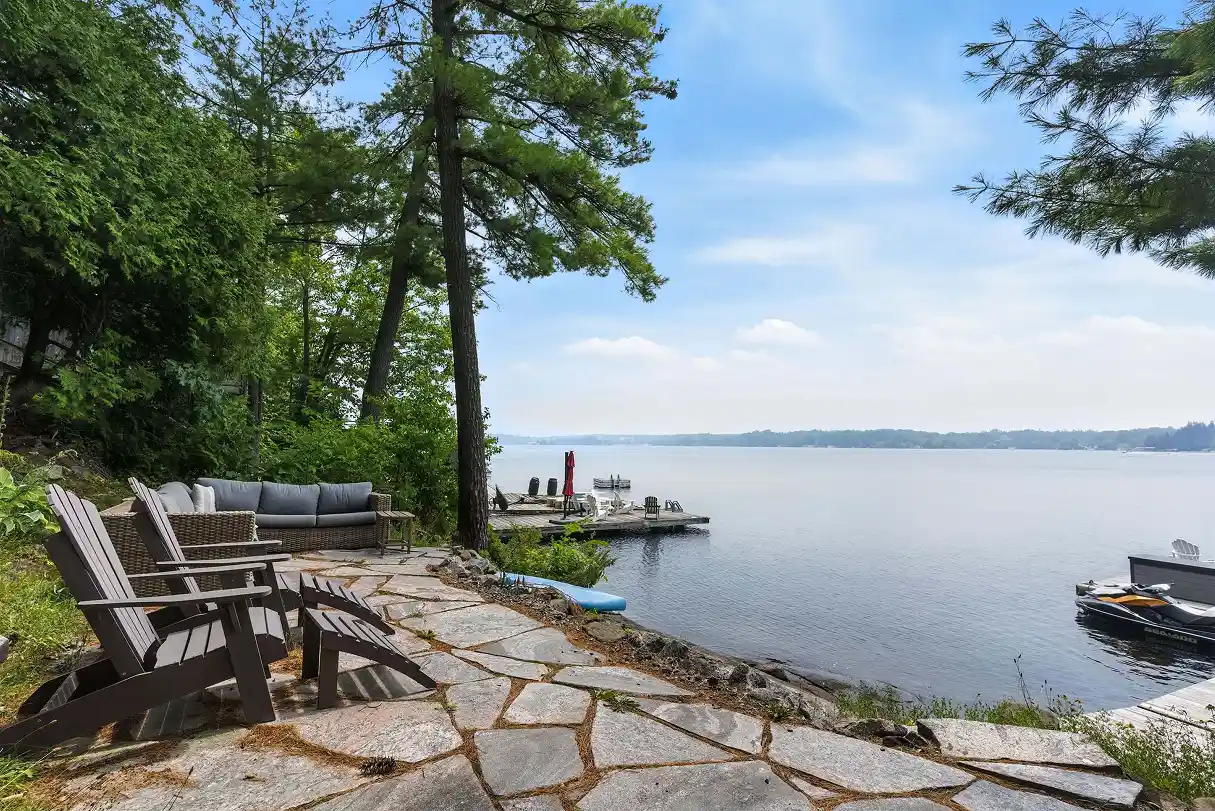
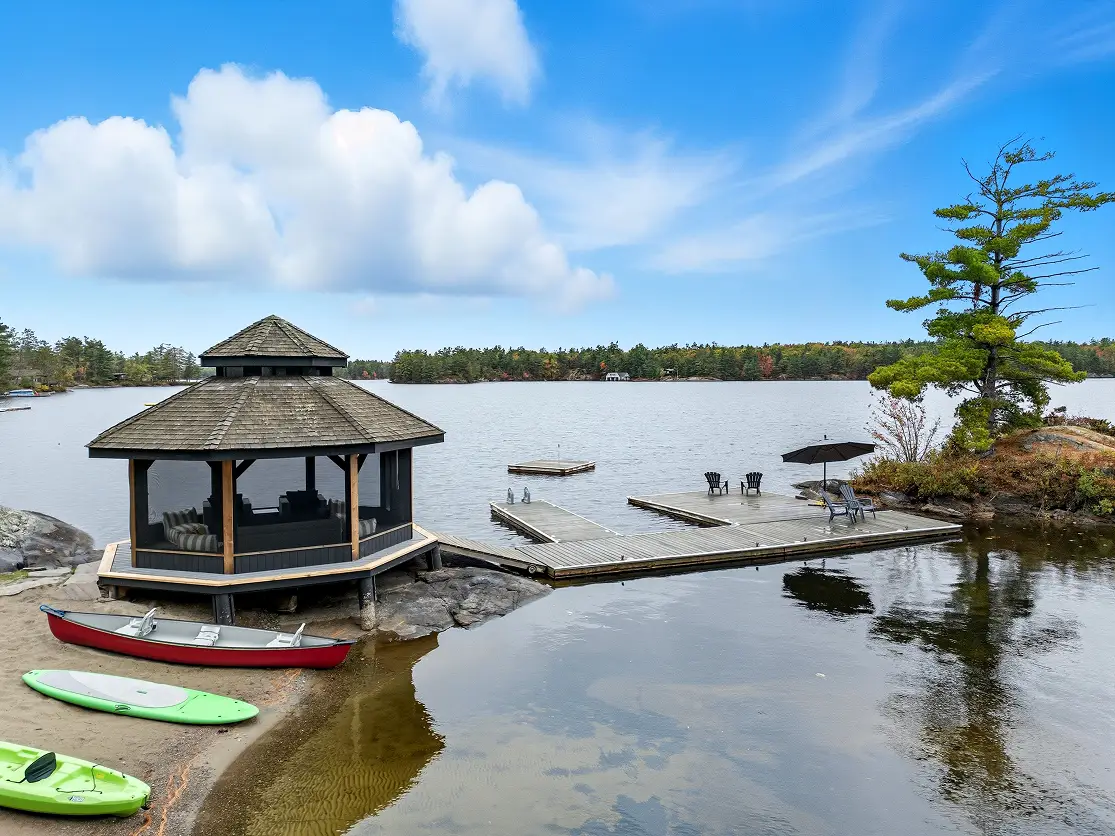
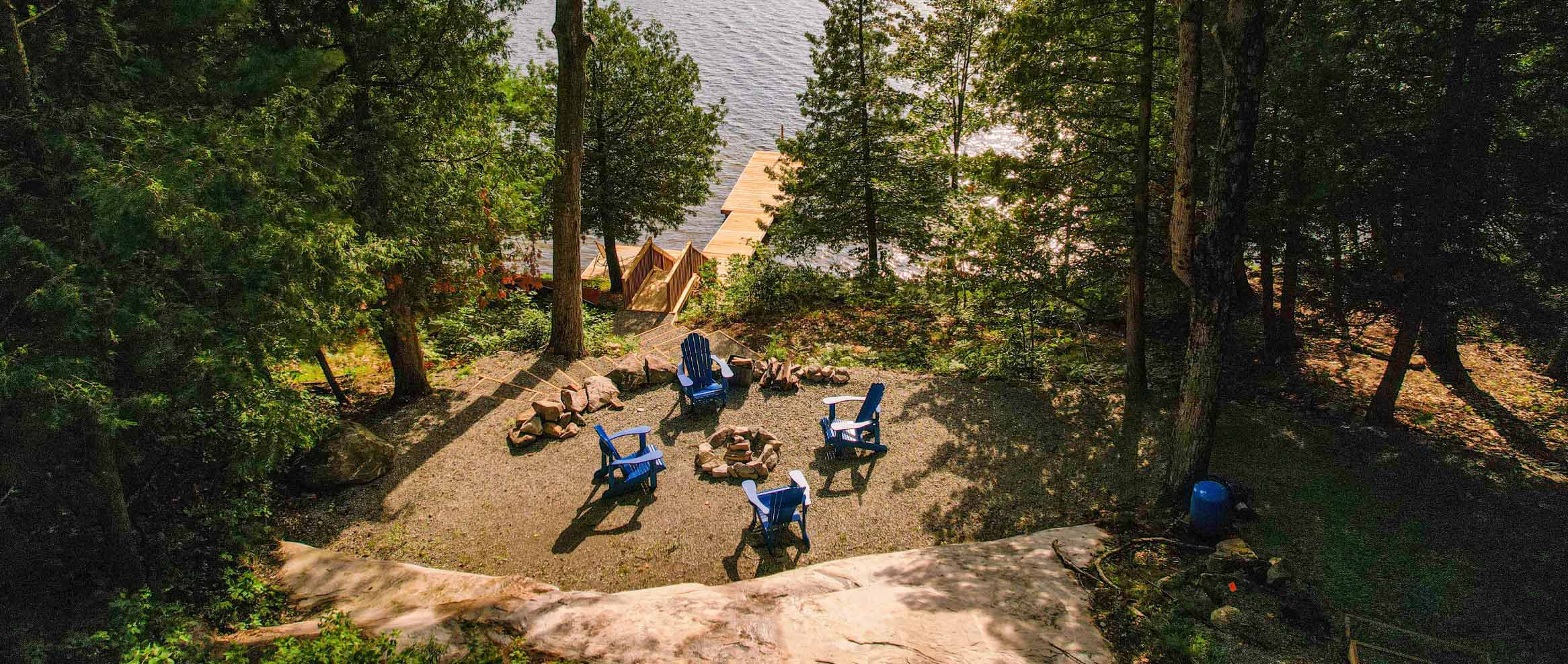
For a waterfront property, the connection to the water is the centrepiece of the buyer experience. A well-maintained, properly permitted dock in good structural condition is one of the highest-value features a cottage can offer. Buyers evaluate the dock before almost anything else. An aging or deteriorating dock signals maintenance neglect and creates an immediate negotiating point.
If the dock needs replacement, addressing it before listing is worth serious consideration. Beyond the dock itself, clearing overgrown shoreline access, repairing boat lifts, and improving the pathway from the cottage to the water all contribute to the first impression buyers form when they arrive at the property. Ontario’s shoreline permitting requirements mean that any dock work should be done with proper approvals in place before the property goes to market.
Kitchen Modernization
Kitchen renovations deliver strong returns across Ontario’s real estate market broadly, and cottage properties are no exception. A well-executed kitchen update in the range of a mid-scope refresh, rather than a complete high-end overhaul, can return between 60 and 80 percent of its cost at resale. For a cottage specifically, the kitchen needs to function well for the way families actually use the space: larger gatherings, informal meals, and frequent entertaining.
Practical updates that read as modern without feeling over-designed for the setting tend to perform best. Replacing worn cabinetry, upgrading countertops to quartz or a durable natural stone, improving appliances, and addressing lighting are the changes buyers notice and value. A kitchen that was installed decades ago and has not been touched will hold a property back, particularly when competing listings have been updated.
Bathroom Updates
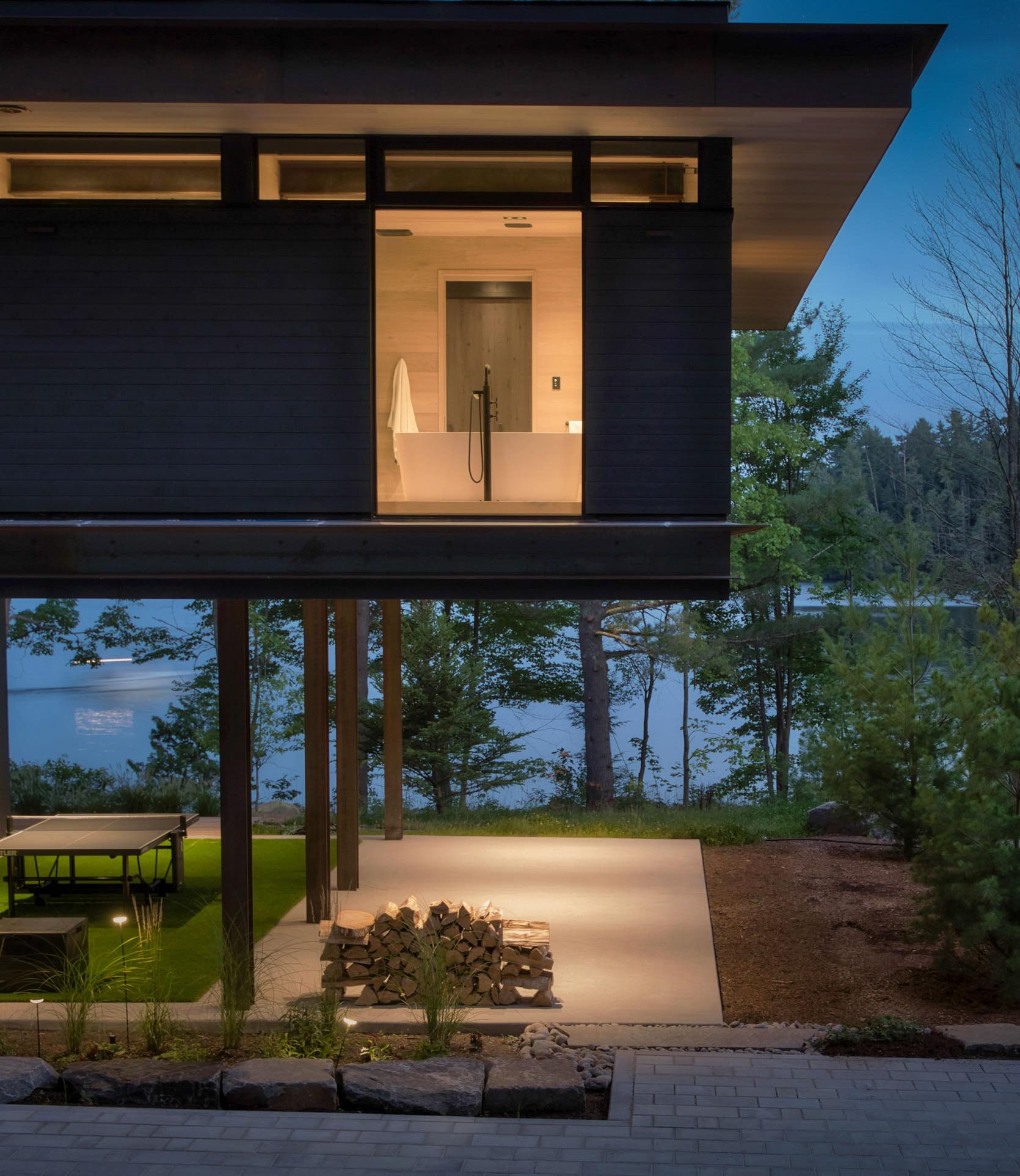
Bathrooms are a close second to kitchens in terms of buyer attention and renovation return. A dated bathroom with original fixtures, worn tile, and poor water pressure signals a property that has not received investment over the years. Updated bathrooms, particularly the primary bath, contribute meaningfully to how a property is perceived and priced.
For cottage properties, bathroom renovations that add practicality alongside aesthetics perform particularly well. An outdoor shower that rinses off lake water before entering the cottage, or a mudroom-style entry with proper storage, can read as thoughtful and practical improvements that buyers genuinely value. Returns on bathroom renovations in Ontario typically land in the 60 to 70 percent range of the investment cost.
Structural and Mechanical Systems
This category does not have the visual appeal of a kitchen renovation, but it consistently matters to buyers and their inspectors. A septic system in poor condition, a roof that is past its service life, aging electrical panels, or a failing water pump are the kinds of deficiencies that either kill deals or drive significant price concessions. Addressing these before listing removes the most common leverage points a buyer uses in negotiations.
Cottage buyers in Ontario are increasingly thorough about inspections. Properties that have known mechanical issues are being passed over or heavily discounted in a market where buyers have time to be selective. Investing in structural and mechanical reliability may not add visible value, but it protects the asking price and reduces the risk of a deal falling apart post-inspection.
Outdoor Living Spaces
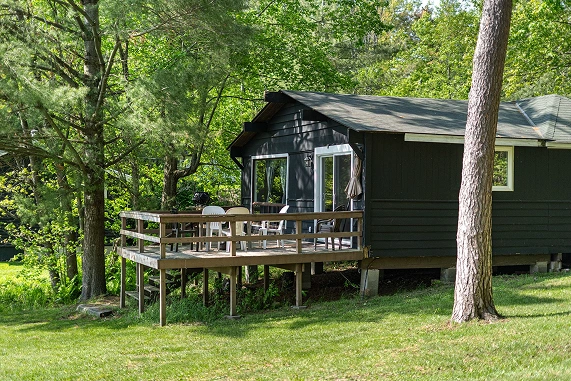
A well-designed deck, screened porch, or outdoor living area has always been a selling point for cottage properties, and its importance has grown as buyers look for versatile spaces that extend the usable season. A screened lakeside porch that keeps bugs out while maintaining the outdoor feel, or a well-built deck with a clear sightline to the water, directly supports the lifestyle narrative that drives cottage purchases. For owners who want to understand how outdoor space contributes to rental income potential as well, the income property expertise at CV Real Estate provides context on what guests prioritize in rental properties.
Outdoor spaces that require minimal maintenance are particularly attractive. Composite decking, cedar structures with proper staining, and covered cooking areas that can withstand Ontario weather without constant upkeep align well with what buyers are looking for in a recreational property.
Energy Efficiency and Year-Round Capability
Ontario’s cottage market is seeing growing demand for properties that function comfortably in all four seasons, not just the traditional summer window. Upgrades that extend a cottage’s year-round comfort, including improved insulation, updated heating systems, and better window sealing, appeal to a broadening buyer profile that includes remote workers, retirees, and families seeking more than a summer-only property.
Energy-efficient upgrades also carry practical financial appeal for buyers who plan to use the property year-round or rent it during shoulder seasons. The Ontario Energy Savings Rebate Program and similar provincial incentives can offset a portion of upgrade costs, and a property with documented energy improvements is positioned to stand out in a market where buyers are increasingly comparing ongoing operating costs.
Renovations That Often Do Not Return Their Cost
Strategic renovation spending requires knowing where not to invest as much as knowing where to put money. Several categories consistently underperform in the cottage resale market.
- Over-improvement relative to the lake: Luxury finishes in a market where the surrounding properties sell for significantly less will not be recovered at resale. The ceiling for a property on a given lake is set by comparable sales, not by the quality of the renovation.
- Highly personal design choices: Bold colour palettes, unconventional layouts, or design decisions that reflect the current owner’s personal taste rather than broad buyer appeal can limit the pool of interested buyers.
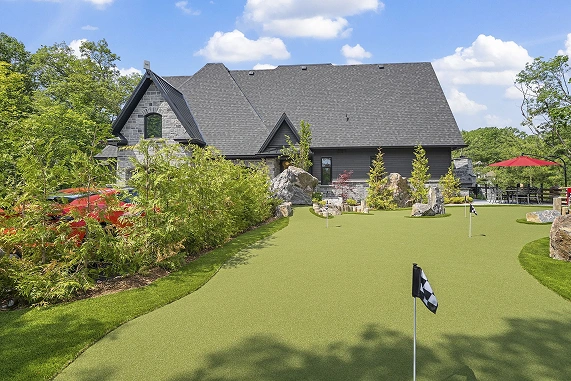
- Swimming pools: Pool additions rarely return their investment in Ontario’s cottage market. Buyers in waterfront properties are there for the lake, and many view a pool as an additional maintenance obligation rather than a value addition.
- Incomplete renovations: A partial kitchen update or a bathroom where work was started and not finished signals unresolved issues and creates buyer hesitation. Completed work at a moderate standard outperforms incomplete work at a higher standard every time.
Before You Renovate: Questions Worth Answering First
The decision to renovate a cottage before selling should be guided by an honest assessment of the property’s position in its market, not by the assumption that more investment always produces a higher price. Before committing to any significant renovation, consider:
- What are comparable properties on this lake selling for, and how does your property’s condition compare to those that have sold recently?
- Is the renovation addressing a genuine deficiency that buyers will identify, or is it improving something that is already adequate?
- Is the total renovation budget within a reasonable percentage of the expected sale price, or does it risk pushing total cost above what the market will support?
- Has the work been properly permitted, and will it be disclosed appropriately during the sale process?
These are the kinds of questions that a CV Real Estate advisor works through with sellers before a property comes to market. Booking a selling consultation is the practical starting point for any owner who wants an honest assessment of where renovation investment will produce returns and where it will not.
Renovations That Add Value for Rental Income Properties
For cottage owners who are planning to generate rental income from their property, either now or as part of a future sale to an investor buyer, the renovation calculus shifts slightly. Rental guests prioritize reliability, comfort, and the overall experience over premium finishes. Properties listed through the Cottage Vacations program benefit from upgrades that improve guest satisfaction and reduce maintenance calls.
Fast, reliable internet connectivity has become a baseline expectation for rental guests and is now a factor that affects booking rates and reviews. Updated bedding, consistent appliance performance, a functional outdoor cooking area, and clear, well-lit dock access are the upgrades that translate most directly into rental income. These are also the features that investor buyers evaluate when considering a property’s income potential, making them doubly effective for owners who are planning to sell to that buyer segment.
Reviewing the featured listings in the CV Real Estate portfolio gives cottage owners a practical reference point for how properties are presented and what features are highlighted when marketing to serious buyers.
Frequently Asked Questions
1. What renovation adds the most value to a waterfront cottage in Ontario?
Dock condition and waterfront access consistently rank as the highest-value feature in Ontario cottage transactions. After that, kitchen modernization, bathroom updates, and structural reliability (roof, septic, electrical) are the areas that most directly affect buyer interest and pricing. The specific priority depends on the current condition of the property and how it compares to comparable sales in the same area.
2. Should I renovate before listing my cottage for sale?
The answer depends on the property’s condition relative to comparable sales and the scope of the renovation being considered. Minor improvements that address clear deficiencies, such as structural repairs or cosmetic updates that bring the property in line with market expectations, are usually worth completing. Major renovations with uncertain return should be evaluated carefully against recent comparable sales data before proceeding. A CV Real Estate advisor can help assess this before any work begins.
3. How much does renovation add to cottage value in Ontario?
There is no single answer, as return on renovation investment varies significantly by property, lake, and renovation type. Kitchen and bathroom updates in Ontario typically return between 60 and 80 percent of their cost. Dock improvements and waterfront access work can return more, depending on the condition of the existing structure. Structural and mechanical repairs protect the existing asking price rather than adding above it, but they are equally important for protecting the deal.
4. Do cottage renovations need permits in Ontario?
Yes, most structural renovations, additions, dock replacements, and significant mechanical work in Ontario require permits from the relevant municipality and, for waterfront work, approval from the relevant conservation authority. Unpermitted work is disclosed during a sale and creates complications for buyers securing financing and insurance. Ensuring permits are in order before listing is part of presenting a clean, well-documented property to the market.
5. Does adding a bunkie or guest cabin add value to a cottage property?
A well-built, permitted bunkie or secondary sleeping structure generally adds value by expanding the property’s capacity and appeal to families and groups. The key variables are permitting, build quality, and whether the addition is consistent with the zoning and shoreline regulations of the municipality. An unpermitted structure adds complexity to the sale rather than value, so ensuring any secondary structure is properly documented is important before marketing the property.
Renovation as a Selling Strategy, Not a Passion Project
The best cottage renovations are the ones made with a clear understanding of the buyer. Not all improvements recover their cost, and in a market where buyers are comparing more carefully than they were a few years ago, the properties that perform best are those where investment has been focused on condition, reliability, and the experience of arriving at the water.
CV Real Estate works with sellers across Muskoka, Parry Sound, Haliburton, Georgian Bay, and Simcoe County to develop pre-sale strategies grounded in real market data. Read what previous clients have experienced through the testimonials section, and review the sold listings to see the range of cottage properties the team has brought to market.
Ready to Talk Through Your Cottage Before Renovating?
If you are planning improvements and want an honest assessment of where they will add value before you spend, connect with the CV Real Estate team. A selling consultation gives you a clear picture of your property’s current market position and where targeted investment makes sense before you commit to any scope of work.
Key Takeaways
- Waterfront access and dock condition are the highest-value features for Ontario cottage buyers and should be the first priority before listing.
- Kitchen and bathroom modernization consistently return 60 to 80 percent of their cost and directly affect how buyers evaluate and price a property.
- Structural and mechanical repairs, including septic systems, roofing, and electrical, protect asking prices and prevent deal-killing inspection findings.
- Over-improving relative to comparable sales on the same lake rarely recovers its cost at resale.
- For rental income properties, reliable internet, updated appliances, and strong outdoor spaces drive guest satisfaction and investor appeal.
- Any significant renovation should be permitted and properly documented before a property comes to market.

Meet The Team
We’re cottage country enthusiasts and vacation property experts, helping renters, buyers, and sellers reach their goals for more than 20 years.