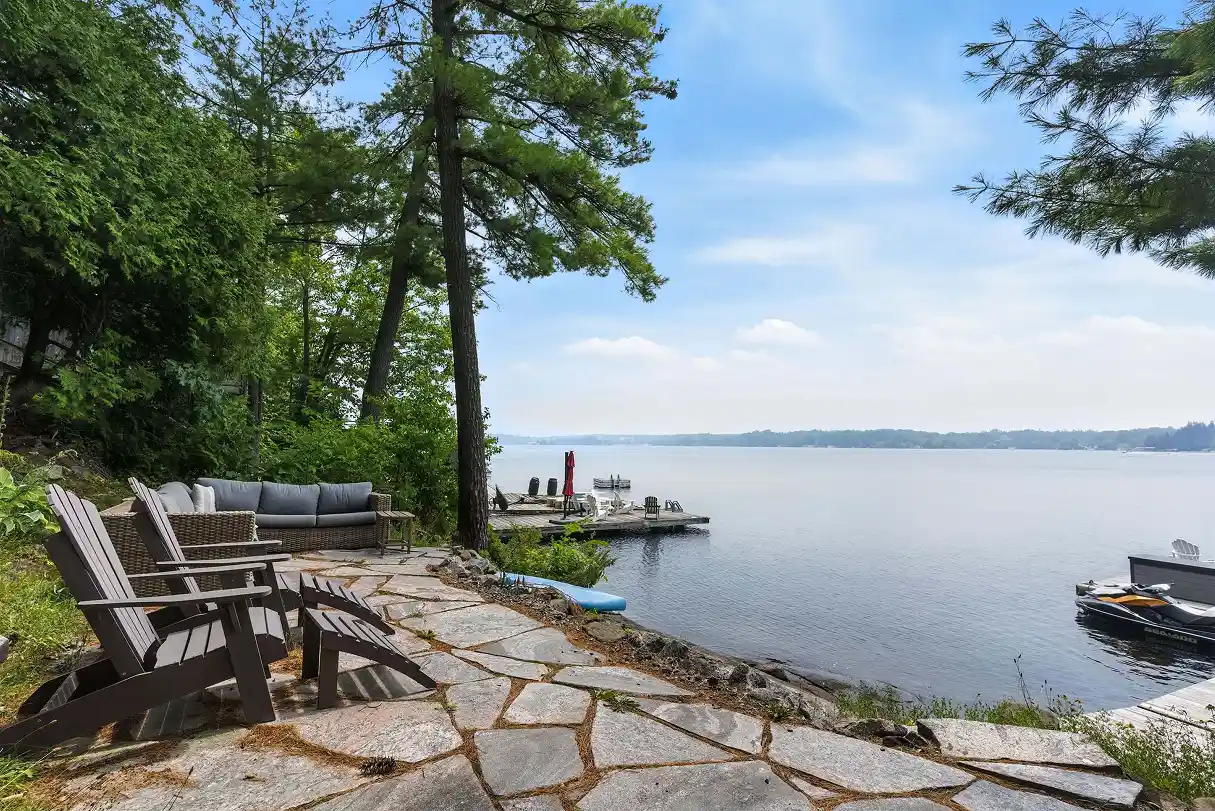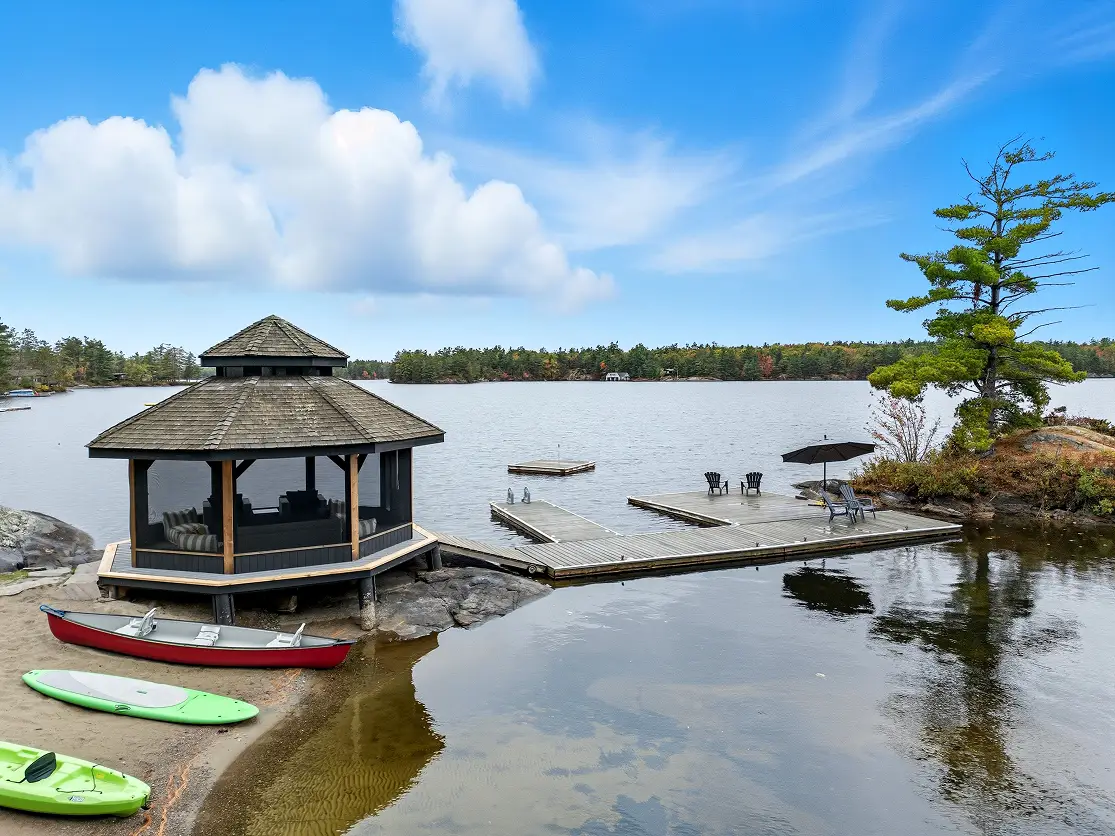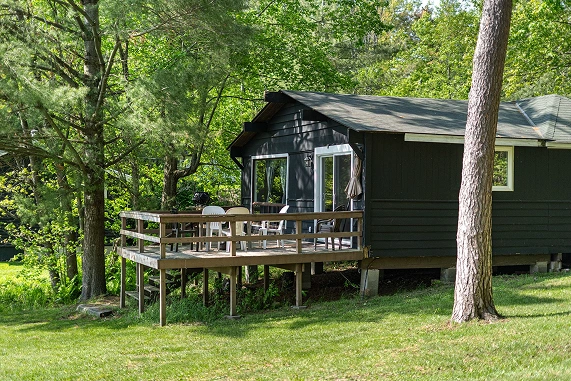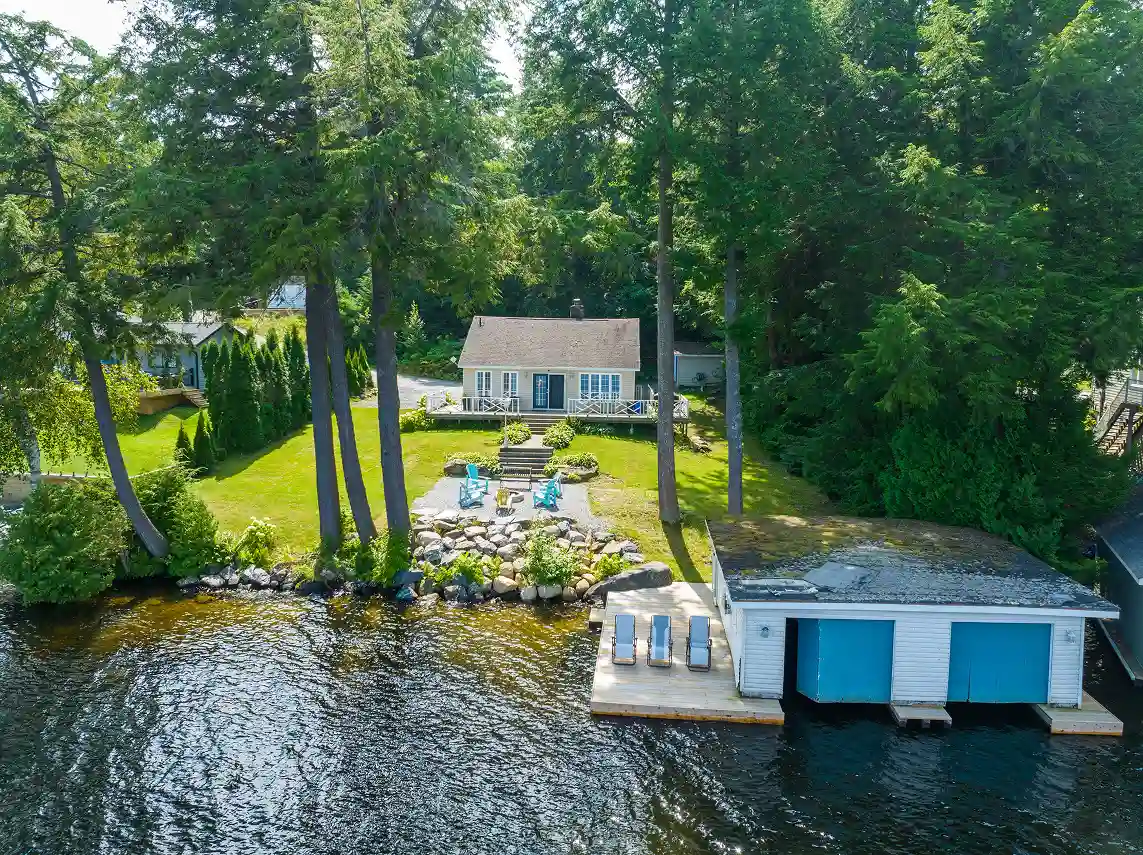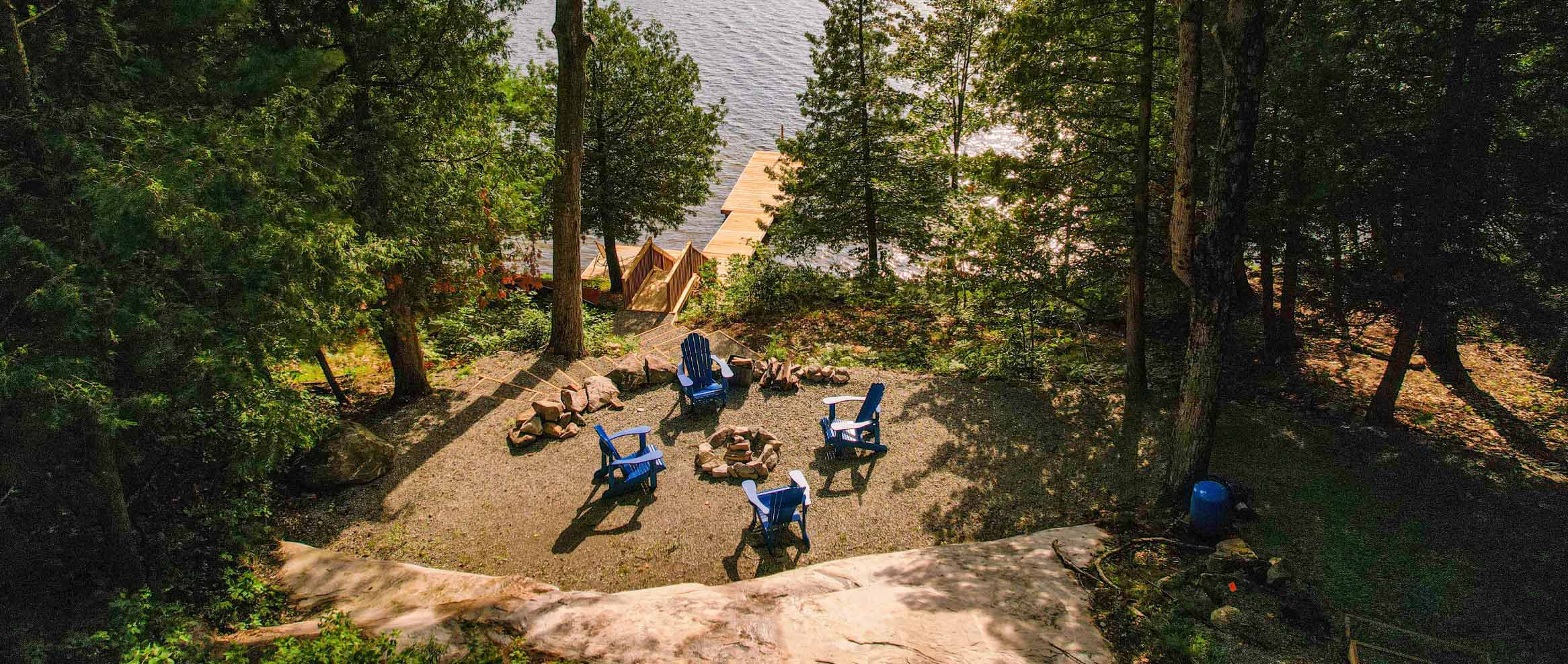
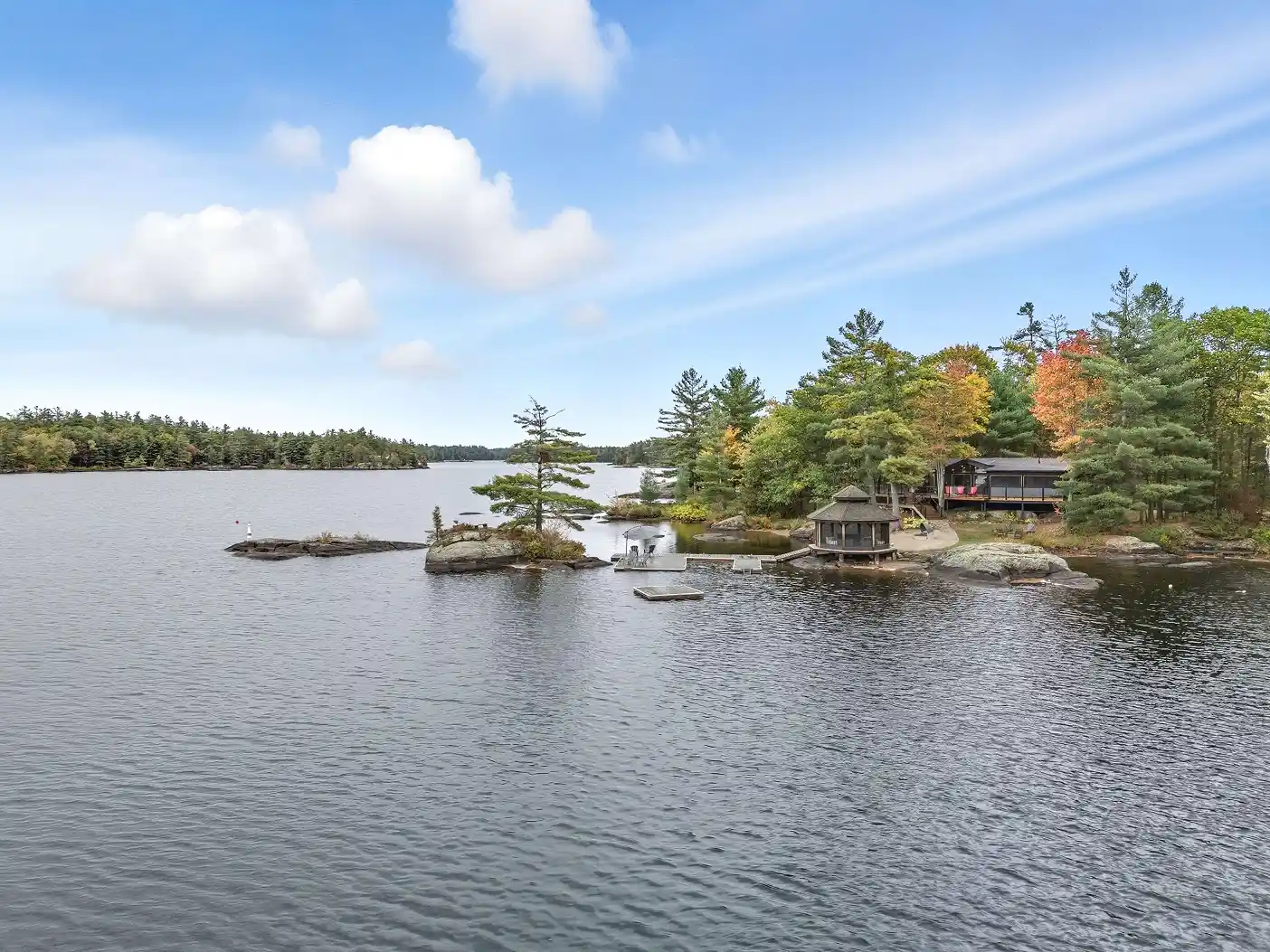
Opening a cottage after an Ontario winter is a step-by-step process that begins before you arrive and continues through your first weekend at the property. Key tasks include restoring the water system, checking for winter damage, reinstalling docks, and preparing both the interior and exterior in the proper sequence. This checklist helps cottage owners avoid common issues and start the summer season smoothly and safely.
Before You Leave the City
Utilities and Services
Call to have electricity restored to the cottage at least three days before your planned arrival. Do the same for propane or any other fuel delivery service if the cottage uses alternative heating. Waiting until you arrive to discover the power has not been reconnected is a preventable frustration that wastes your first day. If the cottage uses internet or cable services, arrange reconnection at the same time.
Supplies and Provisions
Pack cleaning supplies, new water filters for the pump system, fresh batteries for smoke and carbon monoxide detectors, and any maintenance items you noted during last autumn’s closing. Bringing the right supplies on the opening trip means you will not be driving into town during your first morning to find hardware store items.
Exterior Inspection: Walk the Property First
- Before touching any system inside the cottage, walk the full perimeter of the property and make notes of everything that requires attention. A long winter can produce unexpected findings, and knowing the full scope of what needs work before starting anything helps you prioritize.
- Inspect the roof for missing or damaged shingles from winter storms or ice accumulation.
- Check power and phone lines for damage from fallen branches or winter wildlife.
- Identify any trees or large branches that did not survive the winter and may be at risk of falling.
- Walk all exterior stairs, decks, and pathways for rot, heaving, or unstable supports.
- Check siding, window frames, and the foundation skirting for gaps, cracks, or signs of rodent entry.
- Inspect the chimney cap and any visible portions of the chimney stack.
Add everything you observe to a list before starting any work. Once the water is running and the cottage is habitable, you can systematically address each item.
Water System Start-Up: The Central Task
Getting the water system operational is the most technically involved part of opening weekend and the one most likely to require patience. If the cottage uses a land-based pump drawing from the lake, follow these steps.
Inspect and Replace the Filter
Begin by replacing the water filter at the pump. A filter that sat for six to eight months has degraded and should be replaced regardless of its appearance before the system is tested.
Prime and Pressurize the System
Open the priming valve and draw water into the pump line using the hand pump until the line fills. Close the priming valve. Open a cold water tap inside the cottage, making sure the valve leading to the hot water tank is still closed. Switch on the pump at the electrical panel. Open all cold water valves between the pump and the cottage and let water push out the air in the system. Listen for hissing sounds that indicate leaks. Once water flows steadily from all taps, close them.
Hot Water Tank
Confirm the cold water valve to the hot water tank is open and the tank is filling with water before switching on the heater element or lighting the pilot. Heating an empty tank will destroy the element. Once you confirm the tank is full and water flows from the hot tap, turn on the heater and allow time for the water to reach temperature.
Test for Leaks
After the system is pressurized and the pump has been running for 30 minutes, walk the full interior and check every connection, valve, and fixture for drips or seeps. Pay particular attention to any connection that was disconnected or drained at closing. Address any leaks before leaving the cottage at the end of opening weekend.
Dock Installation
Reinstalling the dock is a physical task that usually benefits from at least two people and appropriate water temperatures. Check all dock hardware, including hinges, cables, anchoring systems, and the decking sections themselves, before installation. Replace any corroded hardware before the dock goes back in the water. Inspect dock planks for rot and replace any that feel soft or flex unexpectedly underfoot. Secure the gangway and confirm that all connections between the dock and shore are solid before allowing anyone to walk on the structure. For buyers evaluating a property’s dock condition as part of their purchase decision, the selling process at CV Real Estate includes guidance on how dock condition is assessed and disclosed.
Interior: Cleaning, Safety, and Systems
Pest Check and Cleaning
Inspect every drawer, cabinet, and storage area for signs of rodent activity before unpacking anything. Look for droppings, nesting material, and chewed packaging. If evidence of mice is found, clean and sanitize thoroughly before bringing in food. Replace any soft goods that show signs of contact. A systematic interior cleaning before unpacking saves the frustration of discovering pest activity after the cottage is fully open.
Safety Devices
Replace batteries in all smoke detectors and carbon monoxide detectors. Test each device before anyone sleeps in the cottage. If any detector is more than ten years old, replace it entirely. Locate the fire extinguisher and confirm it is charged and accessible.
Propane Appliances
Inspect propane tanks, hoses, and connection fittings before turning on any propane appliance. Look for cracks in hoses and any corrosion at fittings. Turn appliances on one at a time and check for proper ignition. Propane appliances that sat unused for six or more months can have deteriorated gaskets or ignition issues that need service before the season starts.
Septic System
If your cottage uses a septic system, confirm it is functioning normally by running water for an extended period and checking the drain field area for any signs of surfacing effluent or unusual odour. If the system has not been pumped within the past three to five years, schedule service early in the season rather than waiting until it becomes an emergency.
Final Opening Weekend Checklist
- Utilities confirmed and restored before arrival.
- Full exterior property walk completed and issues noted.
- The water filter was replaced and the system primed and pressurized.
- All connections checked for leaks after system start-up.
- Hot water tank filled and heater operational.
- Dock inspected, hardware checked, and reinstalled.
- Interior cleaned, pest check completed.
- All smoke and carbon monoxide detectors tested with new batteries.
- Propane tanks, hoses, and appliances inspected and operational.
- Septic system checked for normal function.
Frequently Asked Questions
1. When should I open my Ontario cottage for the summer?
Most Ontario cottage owners target the May long weekend, which falls on the third Monday of May, as the traditional opening. Overnight temperatures in Muskoka, Parry Sound, and Haliburton can drop below freezing into late May, so confirming that conditions are consistently above freezing before starting the water system is important. Some years, a late cold snap extends the risk window into early June.
2. How do I start the water pump at my cottage after winter?
The process for a land-based pump involves replacing the filter, opening the priming valve and filling the intake line, closing the priming valve, opening a cold water tap at the cottage, switching on the pump at the electrical panel, opening all in-line valves, running water through all cold taps to purge air, and then checking the system for leaks under pressure. The hot water tank must be filled with water before the heater is turned on.
3. What should I check for after the cottage has been closed all winter?
Walk the exterior first: roof, siding, windows, doors, decks, and the foundation perimeter. Then start on the interior: signs of rodent activity, safety device battery replacement, and propane appliance condition. Water system start-up follows. Dock inspection and reinstallation is typically done on day two of an opening weekend once the interior is confirmed habitable.
4. How long does it take to open a cottage in the spring?
A thorough opening of a standard three-season Ontario cottage typically takes most of one day for a systematic process, plus a second day for dock work and any repair items identified during the inspection walk. First-time owners or those opening a cottage that has not been used in more than one season should plan for a full weekend and bring extra supplies and tools.
5. Do I need to replace my water filter every spring?
Yes. Filters that have sat unused over an Ontario winter should be replaced at the start of every season regardless of how long they have been installed. A filter that wintered in a cold, potentially partially frozen system has degraded and should not be trusted for drinking water quality without replacement. This is a simple and inexpensive step that protects the integrity of your water supply for the full season.
Opening Weekend Is Worth Doing Right
The effort invested in a structured spring opening pays off for the rest of the season. A cottage that is fully verified and operational on the first weekend lets you move straight to enjoying it. CV Real Estate works with cottage owners across Muskoka, Parry Sound, Haliburton, and surrounding regions. For practical ownership context and market insights, explore the insights section of the CV Real Estate website.
Thinking About Buying a Cottage This Season?
If you are considering entering the Ontario cottage market and want guidance on what ownership involves from the first weekend forward, connect with the CV Real Estate team through a buying consultation. Your advisor will help you find the right property and prepare you for what to expect once it is yours.
Key Takeaways
- Call to restore utilities at least three days before arrival to avoid losing your opening day to service delays.
- Walk the full exterior and interior of the property and make a complete list of issues before starting any system.
- Replacing the water filter is the first step in water system start-up and should be done every spring without exception.
- The hot water tank must be full of water before the heater is switched on to avoid element damage.
- All smoke and carbon monoxide detectors require new batteries and a function test before the cottage is occupied.
- Propane appliances that sat unused for the winter should be inspected for hose and fitting condition before use.
Meet The Team
We’re cottage country enthusiasts and vacation property experts, helping renters, buyers, and sellers reach their goals for more than 20 years.