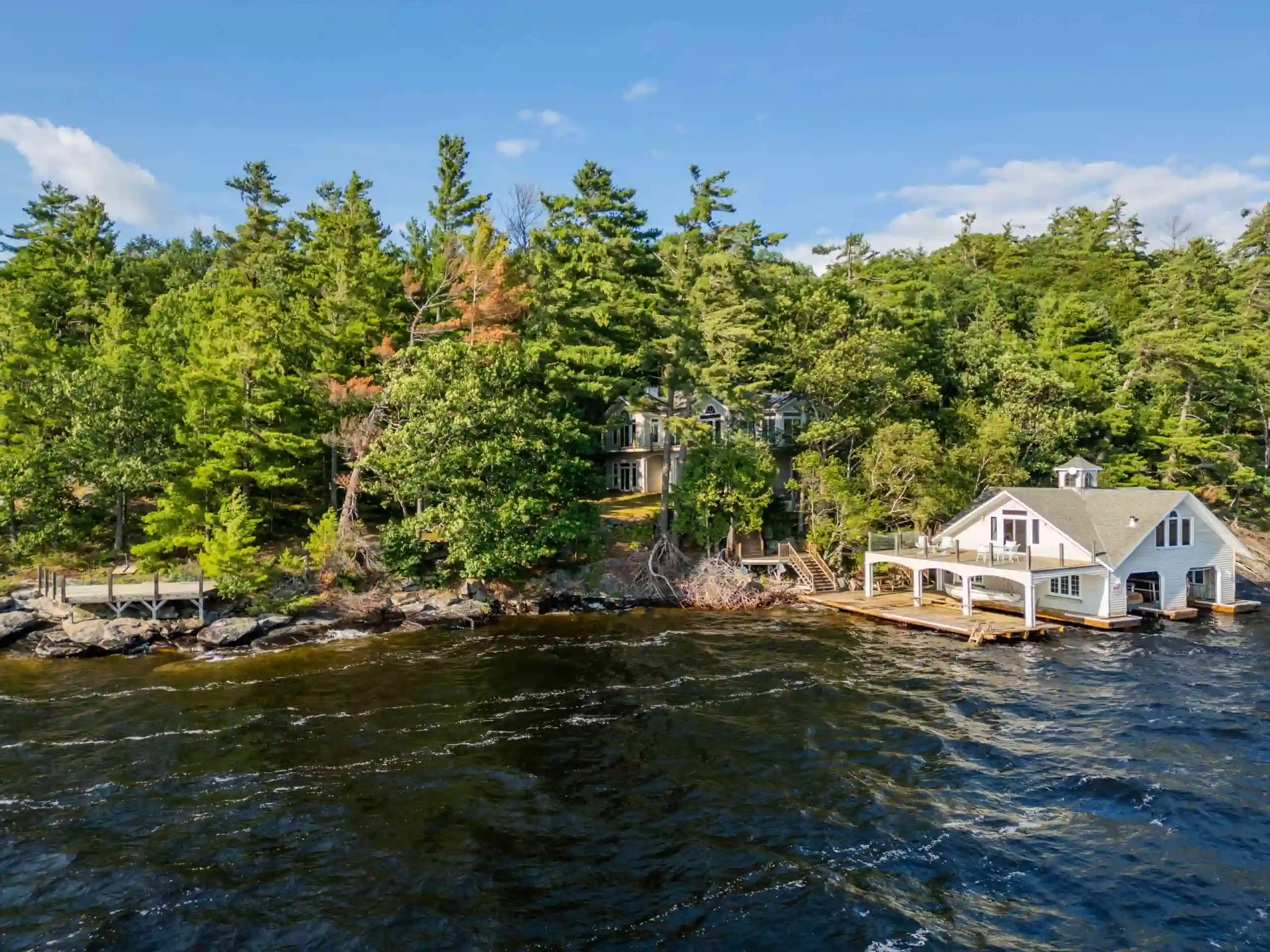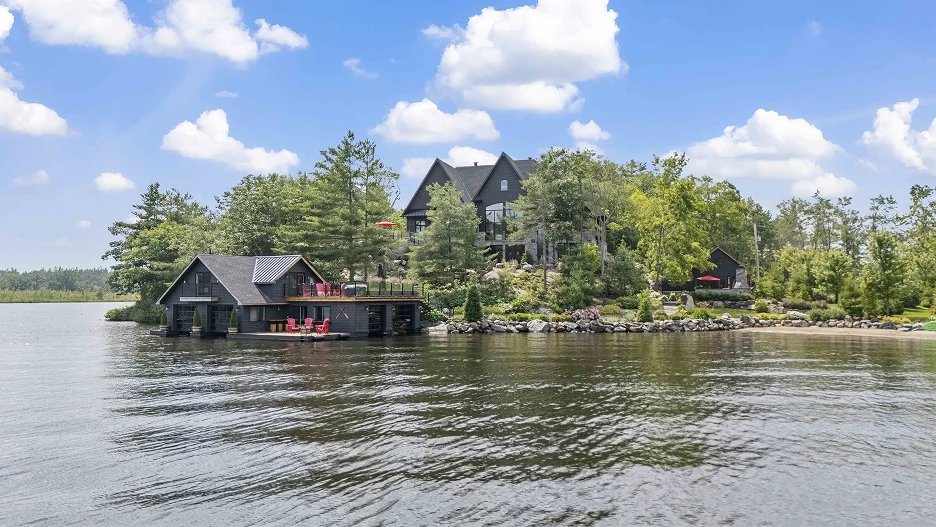
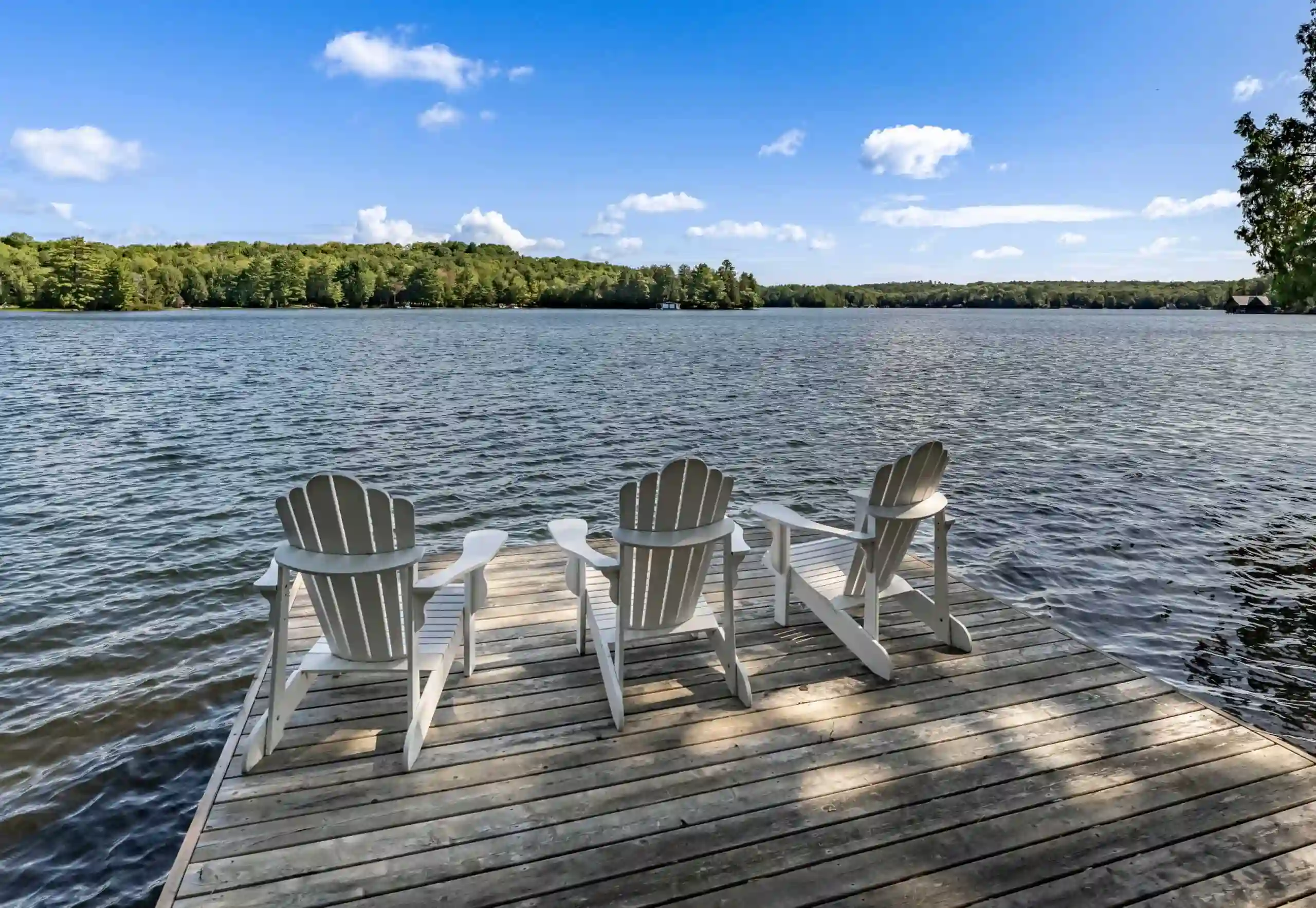
Dock zoning rules in Ontario cottage country are governed by a combination of provincial Ministry authority, municipal zoning bylaws, and federal Fisheries Act requirements. What is permitted on Lake of the Woods, Lake Muskoka, or any other Ontario lake depends on the specific municipality, shoreline classification, and the type of dock structure being installed. Buyers who assume an existing dock is permitted without verifying approval status take on significant financial and legal risk.
What Governs Dock Rules on Ontario Lakes?
Dock rules on Ontario lakes are governed by three overlapping regulatory frameworks: provincial authority through the Ministry of Natural Resources and Forestry (MNRF), municipal zoning bylaws, and federal Fisheries Act protections administered by Fisheries and Oceans Canada. Each framework applies simultaneously, and a dock that satisfies one set of rules may still require approval under the others. Buyers evaluating a cottage with an existing dock must confirm compliance across all three frameworks before closing.
The MNRF administers the Public Lands Act and the Lakes and Rivers Improvement Act, which together govern structures placed on Crown land or within the water column of Ontario lakes. Most dock structures require either a Work Permit or a Licence of Occupation from the MNRF if the dock extends beyond the privately owned shoreline boundary into Crown-owned lake bed. The absence of a registered MNRF approval does not mean the dock was approved by a prior process; it may mean the dock was installed without the required permit, which creates liability for the current and future owner.
Municipal zoning bylaws add a second layer of approval requirements. Municipalities across Ontario cottage country, including the Township of Muskoka Lakes, Huntsville, Gravenhurst, Bracebridge, Kenora (which governs the Lake of the Woods area), and Seguin Township, each have their own provisions for shoreline development, dock setbacks from property boundaries, and restrictions on dock size and construction materials. These bylaws change periodically, and a dock that was permitted under an older bylaw may not conform to current standards. For buyers evaluating a cottage property in Muskoka, waterfront frontage property value covers how shoreline status affects pricing.
What Are the Dock Rules Specific to Lake of the Woods?
Lake of the Woods straddles the Ontario-Manitoba border and extends into Minnesota in the United States, which creates a multi-jurisdictional regulatory environment that is more complex than a purely Ontario lake. On the Ontario side, Lake of the Woods properties fall primarily within the City of Kenora and surrounding unorganised territories in the Kenora District. Dock structures on the Ontario portion of Lake of the Woods are subject to MNRF Work Permit requirements under the Public Lands Act, federal Fisheries Act provisions for structures affecting fish habitat, and the applicable municipal or unorganised territory planning rules.
The City of Kenora’s official plan and zoning bylaws govern shoreline development for properties within its jurisdiction. Dock setbacks, size limits, and permitted construction materials are specified in these instruments. Properties in unorganised territories adjacent to Lake of the Woods are governed by provincial standards rather than municipal zoning, which in some cases means fewer local restrictions but continued provincial and federal approval requirements. Buyers should confirm which jurisdiction applies to a specific Lake of the Woods property and which approval bodies have authority before assuming any dock is legally compliant.
The Fisheries Act administered by Fisheries and Oceans Canada applies across all Ontario and Canadian lake waters. DFO’s code of practice for Fisheries Act requirements confirms that no one may carry out works in or near water that result in harmful alteration of fish habitat unless authorized. Dock structures that disturb nearshore spawning habitat, create shading over aquatic vegetation, or introduce materials that leach contaminants may require a Fisheries Act authorisation in addition to provincial and municipal approvals. This federal layer applies uniformly whether the property is on Lake of the Woods, Lake Muskoka, Lake Rosseau, or any other Ontario waterway.
What Dock Approvals Are Required in Muskoka Specifically?
In Muskoka, dock approvals involve the MNRF for structures extending into Crown-owned lake bed, the applicable municipal building department for structures over a threshold size, and the Lake Simcoe Region Conservation Authority or Muskoka Watershed Council depending on the specific water body and property location. The Township of Muskoka Lakes applies shoreline development restrictions under its official plan, including minimum setbacks from property boundaries and restrictions on hard surfaces within the shoreline area.
The District Municipality of Muskoka administers the Muskoka Official Plan, which sets overarching policies for shoreline development and natural heritage protection across all five area municipalities: Bracebridge, Gravenhurst, Huntsville, Lake of Bays, and Muskoka Lakes. These policies restrict dock footprints, mandate natural shoreline vegetation buffers, and regulate boathouse size and height. A dock or boathouse that was approved under an older version of these policies may be considered legally non-conforming under the current plan, meaning it cannot be expanded or rebuilt to its original specifications without obtaining fresh approvals.
For buyers purchasing a Muskoka waterfront property with an existing dock or boathouse structure, CV Real Estate recommends confirming MNRF permit status, conservation authority clearance, and municipal building permit history before removing any conditions from an offer. Unpermitted or non-conforming dock structures are a common source of post-closing disputes in Muskoka cottage transactions. The broader context on what buyers should verify at closing is at cottage closing costs Ontario.
What Are the Common Dock Compliance Issues Found During a Cottage Purchase?
The most common dock compliance issues found during a cottage purchase are: dock structures installed without an MNRF Work Permit or Licence of Occupation, boathouses that exceed the height or footprint limits permitted under current municipal bylaws, dock materials that do not comply with current Fisheries Act guidelines for fish habitat protection, and shoreline encroachments that extend beyond the registered property boundary onto Crown land without a registered licence.
A dock installed without the required approvals does not automatically become the buyer’s problem at closing if the issue is discovered and properly negotiated during the conditional period. The risk is when a buyer waives conditions or fails to investigate dock compliance status before closing. At that point, the cost and responsibility for bringing the dock into compliance, or removing it entirely, transfers to the new owner. In some cases, MNRF will not permit an existing non-compliant structure to remain and will order its removal at the owner’s expense.
Real estate lawyers experienced in Ontario cottage transactions are the appropriate professionals to review dock compliance documentation. A title search will reveal whether a Licence of Occupation is registered, but it will not reveal whether an MNRF Work Permit was obtained for dock construction unless the permit was registered on title. Buyers should request copies of all dock-related permits, approvals, and correspondence with the MNRF, municipality, and conservation authority as part of their due-diligence package. For legal matters affecting waterfront title, the post on cottage easements and shoreline rights provides additional context.
How Does Dock Status Affect Cottage Value and Insurability?
A dock with confirmed, registered approval status is a positive value driver for a cottage property. It establishes that the structure was reviewed by the relevant regulatory bodies, was constructed to standards that satisfy those bodies, and can remain in place and be maintained or replaced under equivalent standards. A dock without registered approval status introduces uncertainty that affects both value and insurability.
Insurance underwriters for Ontario waterfront properties increasingly require documentation of dock approval status as part of the policy application. A property with a dock that cannot demonstrate regulatory compliance may face coverage exclusions for dock-related liability, which affects the property’s attractiveness to future buyers as much as to the current insurer. The connection between dock compliance, insurance, and overall waterfront property value is one of the due-diligence areas that CV Real Estate specifically addresses when advising buyers on Muskoka waterfront acquisitions. Waterfront frontage property value covers how these factors price into comparable sales.
What Cottage Buyers Need to Know Before Assuming a Dock Is Permitted
Buyers evaluating a cottage with a dock or boathouse should treat dock compliance as a confirmed due-diligence item, not an assumed fact. The presence of a physical structure does not indicate regulatory approval. Sellers are not always aware of the compliance status of structures that were installed before their ownership, and listing agents are not required to investigate dock permit history as part of a standard listing process. The buyer and their legal counsel are responsible for confirming compliance before closing. CV Real Estate advises all waterfront buyers to include dock and boathouse compliance review as a standard component of their conditional due-diligence checklist.
Connect With the Right Cottage Specialist
If you are evaluating a Muskoka or Ontario cottage country property with a dock, boathouse, or other shoreline structure, CV Real Estate can guide you through the due-diligence steps specific to that property. Our team knows the MNRF, municipal, and conservation authority approval frameworks for the lakes and townships we work in. Contact CV Real Estate before your conditional period expires.
Frequently Asked Questions
1. Do I need a permit for a dock on Lake of the Woods in Ontario?
Yes. Dock structures on the Ontario portion of Lake of the Woods require an MNRF Work Permit or Licence of Occupation under the Public Lands Act if the dock extends into Crown-owned lake bed, a Fisheries Act assessment if the structure affects fish habitat, and compliance with the applicable municipal zoning bylaw for the City of Kenora or surrounding unorganised territories. Buyers should confirm that any existing dock on a Lake of the Woods property holds all required approvals before removing conditions from a purchase offer. Cottage closing costs covers the financial implications of discovering unpermitted structures at closing.
2. What happens if a cottage dock was installed without a permit?
If a cottage dock was installed without the required MNRF Work Permit or municipal building permit, the new owner inherits the compliance obligation. The MNRF can order removal of a non-compliant structure at the owner’s expense, and the cost of removing or replacing a dock to bring it into compliance can range from several thousand dollars to over $100,000 for a large boathouse. Buyers who discover this issue during the conditional period can negotiate remediation as a condition of the sale or withdraw from the purchase entirely. Discovering it after closing leaves the buyer with full closing cost liability that was not factored into the original purchase price.
3. How do I verify that a dock is legally approved in Muskoka?
To verify that a dock is legally approved in Muskoka, request copies of the MNRF Work Permit or Licence of Occupation, the municipal building permit issued for the structure, and any conservation authority clearance letters. A title search will reveal a registered Licence of Occupation if one was obtained, but will not confirm whether construction complied with permit terms. A real estate lawyer experienced in Muskoka waterfront transactions can review these documents and advise on whether the dock’s compliance record is complete. Waterfront frontage property value explains how compliant dock status affects property pricing.
4. Can a non-conforming dock be rebuilt if it is damaged?
A legally non-conforming dock in Muskoka, meaning one that was approved under older standards but does not meet current bylaw requirements, can typically be maintained and repaired but cannot be expanded or rebuilt to its original specifications without current approvals. If a non-conforming dock is substantially damaged or destroyed, rebuilding it to its original size may require municipal approval that would not be granted under current policies. This is a significant risk for properties with older or oversized dock and boathouse structures. Buyers should confirm the conforming status of any waterfront structure before closing. Cottage renovation value covers how structure compliance affects overall property value.
5. What is a Licence of Occupation for a dock, and why does it matter?
A Licence of Occupation is an agreement with the Ontario Crown, administered by the MNRF, that grants the property owner the right to occupy a specific area of Crown-owned lake bed for a structure such as a dock or boathouse. It is a registered agreement that runs with the property and must be disclosed to and assumed by future buyers. A dock without a Licence of Occupation in place is occupying Crown land without authority, which gives the Crown the right to require its removal. A registered Licence of Occupation confirms the dock’s legal right to remain and is a positive title attribute for the property. Waterfront frontage property value explains how registered shoreline rights affect comparative pricing.
Key Takeaways
- Dock rules on Ontario lakes are governed simultaneously by provincial MNRF authority, municipal zoning bylaws, and federal Fisheries Act requirements; satisfying one framework does not automatically satisfy the others.
- Lake of the Woods on the Ontario side falls under City of Kenora or unorganised territory planning rules, plus MNRF and Fisheries Act requirements that apply to all Ontario waterways.
- An existing dock on a cottage property is not automatically permitted; buyers must verify MNRF Work Permit or Licence of Occupation status, municipal building permit history, and conservation authority clearance before closing.
- A non-conforming dock in Muskoka can be maintained but typically cannot be expanded or rebuilt to its original size under current bylaw standards; substantial damage to such a structure creates a material rebuilding restriction.
- Insurance underwriters increasingly require dock compliance documentation as part of waterfront cottage policy underwriting; a dock without documented approvals can create coverage gaps that affect insurability and resale value.
Meet The Team
We’re cottage country enthusiasts and vacation property experts, helping renters, buyers, and sellers reach their goals for more than 20 years.